

- Sub Menu
Search results for "Searchcomprar fc 26 coins Besuche die Website Buyfc26coins.com. Seriöse Seite..Nskf"
203 Results Found
203 Results Found
News Item
Seward, Alaska (August 25, 2016) – After much anticipation, the Alaska SeaLife Center (ASLC) is pleased to announce the public debut of Perl, a Steller sea lion pup born at the ASLC on July 1, 2016. Visitors to the Center will have the opportunity to see Perl with mother Eden on five weekends (Fri/Sat/Sun) from 11:00am to 2:00pm, beginning Friday, August 26 through Sunday, September 25. “Perl’s debut is a highly anticipated event,” said President and CEO Tara Riemer. “We are thrilled to be able to share this special moment with our visitors, members and friends.” Born to 16-year old Eden and 7-year old Pilot, Perl is named after Perl Island, one of the Chugach Islands in the Gulf of Alaska. She is the third Steller sea lion born at the ASLC. Similar to Perl’s half-siblings—3-year-old Ellie and 2-year-old Forrest—Perl will assist scientists in understanding the physiological requirements of a healthy Steller sea lion. “There has been a lot of hard work and preparation leading up to Perl’s successful birth, and the staff is excited at the important addition she will be to our research. We are also very grateful to the mammal husbandry staff here at the ASLC for their care, dedication and enthusiasm to making this work possible,” said ASLC Research Associate Renae Sattler. Permitted under the National Marine Fisheries Service, the ASLC study seeks to further understand the female reproductive cycle in hopes of identifying causes contributing to the declining population trends observed in the wild. Some populations are currently listed as endangered. Initial studies focused on the reproductive cycle and tracking the health of the female throughout pregnancy. Recently this study was expanded to include collaboration with the University of British Columbia to investigate energetic costs of pregnancy and lactation in adult females, and the energetic needs of pups for healthy growth. About the ASLC Opened in 1998, the Alaska SeaLife Center operates as a private, non-profit research institution and public aquarium. It generates and shares scientific knowledge to promote understanding and stewardship of Alaska’s marine ecosystems. The ASLC is an accredited member of the Association of Zoos and Aquariums.
2
News Item
Seward, Alaska (July 16, 2018)– Alexander Havens from the Alaska SeaLife Center has been selected as a 2018 Science Communication Fellow and will sail aboard Exploration Vessel (E/V) Nautilus during its 2018 expedition. Alex will join the Corps of Exploration aboard E/V Nautilus in July and August as they explore off the west coast of Canada. Twenty-one educators and eighteen students from North America have been selected from a competitive pool of applicants by the Ocean Exploration Trust (OET) to participate at sea during the 2018 Nautilus Exploration Program expedition. OET, a nonprofit founded by Dr. Robert Ballard in 2008, has the mission to explore the ocean, seeking out new discoveries in the fields of geology, biology, maritime history, archaeology, physics, and chemistry while pushing the boundaries of STEAM education and technological innovation. The selected educators and students hail from schools, universities, science centers, and non-profit organizations in eighteen states in the US, Puerto Rico, Canada, and Mexico. They will join the Nautilus Corps of Exploration during sea-going expeditions from June through November in the Eastern Pacific Ocean, exploring from British Columbia, Canada, along the West Coast of the US, and west to the Hawaiian Islands. “I have been mesmerized and inspired by the ocean ever since I was a child, and today I work to instill that wonder in others,” said Alex. “Through the Ocean Exploration Trust, I have been given the opportunity to participate in the cutting edge of marine science communication. I am looking forward to bringing ongoing deep-sea science and exploration live to classrooms and audiences of all ages.” As members of the Corps of Exploration, educators and students will stand watch alongside scientists and engineers, as well as participate in live interactions with shore-based audiences via Nautilus Live, a 24-hour web portal bringing expeditions from the field to future explorers on shore via telepresence technology at www.nautiluslive.org and via social media. OET promotes science, technology, engineering, art, and mathematics (STEAM) education around the world using the excitement of exploration and innovation to inspire the next generation of scientists and engineers. “One of the major goals of our Nautilus Exploration Program is to inspire the next generation of explorers in STEAM fields,” said Allison Fundis, OET’s Vice President of Marine Operations and Programs, “we are very excited to provide educators and students with the direct experience of ocean exploration, while allowing them the opportunity to share that experience with their peers around the world.” The 2018 Science Communication Fellowship, an initiative of OET, will bring twenty-one formal and informal educators and communicators together from North America as a part of the Nautilus Corps of Exploration. Fellows are charged with the responsibility of engaging students and the public in the wonders of ocean exploration, sharing discoveries from the 2018 mission, as well as aspects of daily life aboard a working exploration vessel. Fellows receive four days of intensive training at the University of Rhode Island Graduate School of Oceanography, and then spend two to three weeks aboard E/V Nautilus between the months of June and November, as it explores the Eastern Pacific Ocean. An equally important aspect of the program is for Fellows to bring the expedition and excitement of ocean exploration back to their home communities after they have returned from sea by incorporating their experience into classroom lesson plans, community presentation events, and through informal educational opportunities. Alaska SeaLife Center Senior Education Manager Jeff Dillon is excited about this opportunity for Alex. “We are very proud of Alex on achieving the honor to serve with the 2018 Nautilus Live crew,” said Dillon. “His dedication to educating a variety of audiences about the wonders in, importance of, and challenges facing the ocean is contagious. He is always looking for new and novel ways to engage the public and we know he will be a perfect fit for his cruise this summer. The Alaska SeaLife Center staff, members, and guests will all benefit greatly from Alex’s participation – congratulations Alex!” Alex will participate in live audio commentary and question-and-answer sessions through the Nautilus Live website while aboard the ship; he will also engage events and activities upon his return. The public, scientists, educators, and students can join Alex’s adventure while he is at sea via streaming video on www.nautiluslive.org, a 24-hour portal bringing expeditions from the field to onshore audiences through telepresence technology. The public can also follow the expedition on social media – on Twitter as @EVNautilus and on Facebook and Instagram as @NautilusLive – and through in-person live interactions at partner museums, aquaria, and science centers around the world. About the ASLC: Opened in 1998, the Alaska SeaLife Center is a private, non-profit 501(c)(3) research institution and public aquarium. We are excited to be celebrating 20 years of generating and sharing scientific knowledge to promote understanding and stewardship of Alaska’s marine ecosystems. The ASLC is an accredited member of the Association of Zoos and Aquariums. To learn more, visit www.alaskasealife.org or find us on Facebook. About the Ocean Exploration Trust: The Ocean Exploration Trust was founded in 2008 by Dr. Robert Ballard to explore the ocean, seeking out new discoveries in the fields of geology, biology, maritime history, and archaeology while pushing the boundaries of STEAM education and technological innovation. Our international program is launched from aboard the Exploration Vessel (E/V) Nautilus, offering live exploration to participants on shore and the public via live video, audio, and data feeds. The major 2018 expedition and education sponsors are the NOAA Office of Exploration & Research, the Office of Naval Research, Ocean Networks Canada, NOAA Office of National Marine Sanctuaries, National Marine Sanctuary Foundation, NASA Science Mission Directorate PSTAR program, the University of Rhode Island, CITGO, AltaSea, KVH, Global Dynamix, ESS, and additional private donors. Follow us online atwww.nautiluslive.org, on Facebook and Instagram at @NautilusLive, and on Twitter and YouTube as @EVNautilus. Questions and requests for high resolution photos may be directed to General E/V Nautilus photos. Credit: OET/Nautilus Live. For specific expedition photos, email press@oet.org
2
News Item
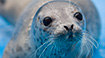
Seward, AK (November 14, 2018)– The Alaska SeaLife Center (ASLC) recently released a male harbor seal from Clam Gulch on November 8, at Bishop’s Beach in Homer. On July 15, bystanders first spotted the animal lying on the beach in Clam Gulch. After consulting with the ASLC Wildlife Response Team, Homer resident and ASLC Volunteer, Marc Webber, observed the seal from a distance. The seal was found very thin and not using his right flipper. Once he was recovered from the shore, Webber transported the seal to Soldotna, where he was met by ASLC’s wildlife responders. This harbor seal was treated for a bone infection at the end of his right flipper. He was estimated to be about two months old, and quickly began eating as his health improved. Due to this animal’s injury, he required care longer than most seals. The staff remained cautiously optimistic that he would regain use of his flipper and become eligible for release. Since arrival, he has more than doubled in body weight going from 22 to 44 pounds in preparation for a release during the winter. ASLC veterinarian, Dr. Kathy Woodie states, “We’re so pleased he has made a full recovery. The goal of our Wildlife Response Team is always to work towards returning the animal to the wild when possible, so cases like this are always special.” The Wildlife Response Team released this seal Thursday, November 8, on Bishop’s Beach in Homer. A group of ASLC’s local volunteers were there to assist and observe the successful release of the seal back to the wild. Prior to the seal’s release ASLC Corporate Donor, GCI, was given the opportunity to name this seal because of their level of financial commitment to the Wildlife Response program. On Election Day, GCI encouraged the public to vote on a name for this rescued harbor seal. The name selected was Hubbard, fitting this year’s naming theme of Alaskan glaciers. With the Alaska SeaLife Center responding to stranded marine mammals along 33,904 miles of coastline, volunteers are critical. ASLC President and CEO Tara Riemer explains, “As a non-profit, we could not have brought Hubbard full circle without our dedicated staff, volunteers, donors, and community. A special thank you to GCI for their support of the release of this seal." If you want to follow along with other Wildlife Response Team stories, check the Rescue and Rehab Journal at the Center’s website at www.alaskasealife.org/rescue_rehab_journal. The Alaska SeaLife Center operates a 24-hour hotline for the public to report stranded marine mammals or birds, and encourages people who have found a stranded or sick marine animal to avoid touching or approaching the animal. Call first! 1-888-774-SEAL. About the ASLC: Opened in 1998, the Alaska SeaLife Center operates as a private, non-profit research institution and public aquarium. We are excited to be celebrating 20 years of generating and sharing scientific knowledge to promote understanding and stewardship of Alaska’s marine ecosystems. Over 80% of the funding for the Center’s wildlife response program comes from charitable contributions. The Center is thankful for the generous support of visitors, donors and our 2018 corporate sponsors, including BP Alaska, ConocoPhillips Alaska, SeaWorld Busch Gardens Conservation Fund, PetZoo, Silverton Mountain Guides, and GCI. The ASLC is an accredited member of the Association of Zoos and Aquariums. To learn more, visit www.alaskasealife.org.
2
News Item
Researchers at the Alaska SeaLife Center (ASLC) recently captured a small male Pacific sleeper shark for an investigative study on the species. The Pacific sleeper shark is a close relative of the Greenland shark, which has been found to possibly live for several hundred years. “If findings from recent studies on the Greenland shark transfer to Pacific sleepers, these animals could maybe reach an astonishing age of 200-300 years old,” states Dr. Amy Bishop, ASLC Scientist. Dr. Markus Horning, ASLC Senior Research Scientist, is leading the study as Principal Investigator, together with Co-Investigators, Dr. Amy Bishop, Richard Hocking, and Jared Guthridge. The ASLC team is working closely with Co-Principal Investigator and shark expert, Dr. Christopher Lowe from California State University at Long Beach. They hope to investigate the ecological importance of these sharks, how their populations are impacted through fishing activities, as well as their predation habits. The Pacific sleeper shark is a large marine predator in Alaskan waters, and evidence from initial tagging work by the Center’s researchers suggests they may be a key predator of juvenile Steller sea lions. Researchers first began fishing for sharks in 2018 with the intentions of finding specimens under six feet. The goal is to bring up to five young, small sharks to the Center for short periods of time for select studies on their metabolic rates and basic biology. They will then be released back in Resurrection Bay with telemetry tags to monitor their movements. After receiving assurance from local fishing captain, Andy Mezirow, that sleeper sharks could be found right in the Bay, they started pulling a team together to fish regularly. Many methods were used to find a shark, but bait stations placed up to 900 feet down ended up being the most effective technique. Thirteen sharks were caught that were too big to fit in the metabolic chamber intended for the research study. Those sharks were tagged and released. “Successful sleeper shark captures were rewarding after much trial and error, but we continuously found animals that were too large for our study. We were either going to need a smaller shark or a bigger boat,” notes Dr. Horning. On July 1, 2019, the team found a shark about five feet long that fit perfectly in the transport carrier. Now that the animal is at the Center, Taylor Smith, Lowe’s graduate student at Cal State’s Shark Lab, will be heading the metabolic trials. Visitors to ASLC may at times be able to see research in action since the shark is in our largest pool, visible from the second floor. Since this is a bottom dwelling shark, a cover needs to be used on the pool when research is inactive to reduce light and regulate temperature. To find out more about the Pacific sleeper shark and to follow this research, the public can read ASLC’s 60Ëš North Science Blog. Dr. Markus Horning received funding for this project from the North Pacific Research Board (NPRB). The project is permitted by ASLC’s institutional ethics committee (AUP # R19-05-05) and by the Alaska Department of Fish & Game (CF-19-085).
2
News Item
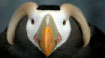
Seward, Alaska (March 25, 2020) – The Alaska SeaLife Center (ASLC) is closed until further notice to help protect our community from the further spread of novel coronavirus (COVID-19). During the closure, the Center will offer free virtual visits of ASLC for the public to experience and learn more about Alaska’s marine wildlife online. Our Education Department will present daily live programs on YouTube at 12:00 pm and 2:00 pm (AKDT), seven days a week. Visit our Virtual Classroom to learn about Alaska’s marine ecosystem and the Alaskan animals we house. Past programs can be accessed from ASLC’s YouTube channel. We will also stream via live webcam from one of our aquariums on YouTube from 9:00 am to 5:00 pm. This content will change daily, but you might have the opportunity to watch puffins swim underwater, view our seals and Steller sea lions, or relax with our moon jellies. Also, watch our website and our Facebook page for announcements of special Facebook Live events. Our staff will introduce you to resident animals, teach you about the different flora and fauna we house, and take you behind the scenes. A special announcement about one of our animals will take place via Facebook Live on Thursday March 26 at 10:00 am. While we are closed to the public, our dedicated animal caretakers, veterinarians, and researchers will continue to provide the highest standards of professional care and welfare to our animals onsite. During this difficult time the community can support our team by donating to the Center on our website at www.alaskasealife.org/donate. You can also become a member of ASLC online by visiting www.alaskasealife.org/memberships. Donations and memberships directly support our animals and staff and assist the team in accomplishing important mission work. About ASLC: Opened in 1998, the Alaska SeaLife Center operates as a 501(c)(3), non-profit research institution and public aquarium. It generates and shares scientific knowledge to promote understanding and stewardship of Alaska’s marine ecosystems. The ASLC is an accredited member of the Association of Zoos and Aquariums. To learn more, visit www.alaskasealife.org.
2
News Item
The Alaska SeaLife Center’s (ASLC) Wildlife Response Program now has three harbor seal pups under its care after the admit of two new patients — one female from Kachemak Bay on May 20, and another female from the Copper River Delta on May 27. The first pup was spotted by kayakers near Bradley Lake power plant, and images identified it as a premature birth due to its white lanugo coat (typically shed in utero). Unfortunately, the pup’s location along mud flats would make access difficult for most boats — a situation compounded by a high wind advisory that day. After many hours on the phone with Homer water taxis and National Oceanic and Atmospheric Administration (NOAA) law enforcement, rescue attempts had to be called off. Two days later, the situation took a fortunate turn when a second party called with similar reports of a lanugo pup in the same area. Pictures sent matched those from the original call, leading staff to conclude it was likely the same seal. Because the party had a small skiff already beached in the area, they agreed to retrieve the seal and transport it from Kachemak Bay to Homer, where it was handed off to ASLC staff and transported back to Seward. This newest patient is the third lanugo pup to be admitted this season (the first of which died soon after admit due to challenges related to its premature birth, and the second of which remains under the care of wildlife response staff). The second abandoned pup report came from a Cordova State Wildlife Trooper on behalf of a fleet of commercial fishermen. The fisherman reported that the seal had been seen without its mother for multiple days, and was beginning to appear exhausted. With permission from NOAA, a wildlife trooper landed a plane on a nearby beach and took possession of the seal to be transported to the ASLC. The pup stayed the night in Cordova, receiving supportive care from local medical personnel, before catching a flight to Anchorage the following day. The pup was then picked up by NOAA officials and handed off to ASLC wildlife response staff. During their initial admit exams, both pups were found to be underweight and dehydrated, with the premature pup suffering additionally from malnourishment and several surface wounds. Because premature harbor seal pups have only about a 50% survival rate when admitted to a wildlife response program, delicate care will be necessary. The team is currently providing initial stabilizing treatments to both patients and keeping a close watch to ensure the best possible chance of survival. Updates will be shared on the ASLC’s Facebook and Instagram pages as they become available. Call first! Before approaching an injured or stranded marine animal in Alaska, call the 24-hour Stranded Marine Animal Hotline at 1-888-774-SEAL(7325). The Alaska SeaLife Center’s Wildlife Response Program can only provide care for stranded and injured marine animals with help from corporate sponsors and individual donors. The Center acknowledges the ongoing generous support of the Wildlife Response Program from supporters like ConocoPhillips Alaska, Marathon Petroleum Corporation, PetZoo, Partners 4 Wildlife, Matson, GCI, and a number of individual donors, funds, and foundations such as Stanley J Williams Fund and the Theresa Bannister Legacy Fund. Those interested in contributing to the care of these patients can visit the ASLC’s website: www.alaskasealife.org/donate.
2
News Item
Seward, Alaska — On January 27, 2025, the Executive Office of the President issued an executive order temporarily pausing agency grants, loans, and other financial assistance programs. This order takes effect on January 28, 2025, at 5:00 PM Eastern Time. The Alaska SeaLife Center (ASLC) has been aware of the possibility of such a measure and has been proactively planning to address its potential impacts. We have already begun implementing steps to mitigate these effects and ensure the continuity of our critical programs and operations. The care and well-being of the animals entrusted to ASLC remain the organization’s highest priority. "We want to assure the public that our animals will continue to receive the world-class care they deserve," said Dr. Wei Ying Wong, President and CEO of the Alaska SeaLife Center. "Their health and safety are non-negotiable, and we are allocating resources to ensure this commitment is upheld." The funding freeze represents a challenge but reaffirms the necessity for ASLC to continue diversifying its funding sources to ensure greater long-term stability for its mission-critical work. "We understand that times of uncertainty can be difficult," Wei Ying continued. "Our team is working diligently to evaluate the full scope of this situation and its implications. As we navigate this road ahead, we are committed to transparency and keeping our community and stakeholders informed." The Alaska SeaLife Center remains steadfast in its mission to generate and share scientific knowledge to promote understanding and stewardship of Alaska’s marine ecosystems. The organization appreciates the ongoing support of its staff, partners, and community as it works to build a stronger, more sustainable future.
2
Calendar Event
Make your way around Seward and visit local businesses hosting featured artists during the Seward First Friday Art Walk! Visit the ASLC lobby from 6 - 8 PM on July 1, 2022 to see this month's TWO featured artists: Dreaming Bear Studio & Rabbit Creek Studio Dreaming Bear Studios will have items displayed in the ASLC Lobby for the month of July. See more of the artist's work on their websites - Rabbit Creek Studio: https://rabbit-creek-studio.square.site/ https://www.facebook.com/kimnielsenak/ Dreaming Bear Studio: https://www.dreamingbearstudio.com/ Seward First Friday Art Walks are hosted by the Seward Chamber of Commerce and Seward Art Council.
2
Calendar Event
Tickets on sale now! Alaska SeaLife Center Soirée The Alaska SeaLife Center’s annual Anchorage fundraising event returns to the Anchorage Museum to benefit marine research, education, and conservation. Guests will savor a bountiful selection of chef-inspired hors d’oeuvres, connect with others who share a deep passion for Alaska’s oceans, and enjoy the excitement of silent and live auctions featuring unique Alaskan experiences and treasures. Complimentary wine provided by Michael David Winery. If you are interested in becoming a sponsor for this event, please email development@alaskasealife.org. Purchase tickets NOW!
2
Calendar Event
Join the Alaska SeaLife Center for a family-friendly, fun-filled day of ocean-themed activities and educational booths bringing together science and culture to celebrate and protect the world's oceans! Sunday, June 7th: All Day Activities on the Plaza, 10 a.m. - 5 p.m. Interactive activities: Visit our outdoor touch pool, experiment with microscopes, and see the Wildlife Response Van. “Beach in a Bottle” marine debris art project: do your part to clean up the beach and bring marine debris back to the Center to add to glass bottles for display Cultural salmon skinning demonstration in collaboration with Homestead Handicraft Bounce house Additional activities: A citywide ocean explorers scavenger hunt with the Seward Mural Society “Flow like water” yoga class: 8 - 8:50 a.m. in underwater viewing (registration required – click here to sign-up) Monday, June 8th: Special programs inside the Center with admission “How Deep is your Love” film screening – With deep-sea mining looming, biologists race to collect and name the undiscovered species of the abyss, the last wilderness on earth, Location: ASLC Bear Mountain Conference Room Screenings at 10 a.m., 1 p.m. and 3:30 p.m. Plankton Mandala Art Exhibit - Workshop lead artwork that captures the beauty of the smallest ocean animals
2
Pages
SubPage 1 Column with Masthead Title Header 1 Header 2 Lorem ipsum dolor sit amet, consectetuer adipiscing elit. Nam eu nulla. Donem. Integer in ante. Sed posuere ligula rhoncus erat. Fusce uritae sapina dui, sollicitudringilla. Fusce dapibus odio in est. Nunc eges tas mauris ac leo. Nuheh ellam regardy ledrodo orci. - Link Style Morbi volutpat leo in ligula. Integer vel magna. Quisque ut magna et nisi bibendum sagittis. Fusce elit ligula, sodales sit amet, tincidunt in, ullamcorper condimentum, lectus. Aliquam ut massa. Suspendisse dolor. Cras quam augue, consectetuer id, auctor ut, tincidunt a, velit. Donec tempus, urna a congue ultrices, lacus magna convallis nulla, non ultrices metus justo et purus. In leo lorem, dapibus lit ac semper iaculis, mi odio dignissim diam, id dapibus eros metus id nisi. Nulla vitae sapien. Nulla ligula. Cum sociis natoque penatibus et magnis dis parturient montes, nascetur ridiculus mus. Curabitur non nisl id ante egestas dapibus. Quisque euismod tortor sed nulla. Nunc dapibus, nisi et iaculis feugiat, leo ipsum venenatis enim, a nonummy magna ante vitae diam. Proin sapien. Duis eleifend. Praesent tempor velit molestie neque. Lorem ipsum dolor sit amet, consectetuer adipiscing elit. Sed mollis justo eget augue. Donec tempus, urna a congue ultrices, lacus magna convallis nulla, non ultrices metus justo et purus. In leo lorem, dapibus lit ac semper iaculis, mi odio dignissim diam, id dapibus eros metus id nisi. Nulla vitae sapien. Nulla ligula. Cum sociis natoque penatibus et magnis dis parturient montes, nascetur ridiculus mus. Curabitur non nisl id ante egestas dapibus. Sed mollis ornare ipsum. In id enim dignissim erat viverra vulputate. Aenean sit amet massa. Nam mattis enim ut elit. Phasellus pretium ornare lorem. Maecenas non orci. Fusce cursus eleifend mi. Suspendisse egestas, sem id pellentesque nonummy, lacus odio sceleris. In congue sem eget purus consequat consectetuer. Sed euismod erat eget neque. Proin turpis. Sed id nulla vel magna consectetuer laoreet. Aenean pulvinar scelerisque erat. Quisque eget augue vel risus convallis congue. Praesent tortor nunc, ultricies a, rutrum vitae, venenatis at, turpis. Class aptent taciti sociosqu ad litora torquent per conubia nostra, per inceptos hymenaeos. Header 4 Curabitur accumsan venenatis diam. In hac habitasse platea dictumst. Cras faucibus ligula in leo. Aenean mattis, felis mollis vestibulum semper, velit tortor semper dui, sed interdum arcu magna eu lectus. Nunc nibh neque, vestibulum eu, ornare ut, congue in, est. Sed consequat leo. Hedaer 6 Donec et quam commodo magna dapibus placerat. Aenean condimentum.
1
Pages
SubPage 1 Column with Masthead Title Header 1 Header 2 Lorem ipsum dolor sit amet, consectetuer adipiscing elit. Nam eu nulla. Donem. Integer in ante. Sed posuere ligula rhoncus erat. Fusce uritae sapina dui, sollicitudringilla. Fusce dapibus odio in est. Nunc eges tas mauris ac leo. Nuheh ellam regardy ledrodo orci. - Link Style Morbi volutpat leo in ligula. Integer vel magna. Quisque ut magna et nisi bibendum sagittis. Fusce elit ligula, sodales sit amet, tincidunt in, ullamcorper condimentum, lectus. Aliquam ut massa. Suspendisse dolor. Cras quam augue, consectetuer id, auctor ut, tincidunt a, velit. Donec tempus, urna a congue ultrices, lacus magna convallis nulla, non ultrices metus justo et purus. In leo lorem, dapibus lit ac semper iaculis, mi odio dignissim diam, id dapibus eros metus id nisi. Nulla vitae sapien. Nulla ligula. Cum sociis natoque penatibus et magnis dis parturient montes, nascetur ridiculus mus. Curabitur non nisl id ante egestas dapibus. Quisque euismod tortor sed nulla. Nunc dapibus, nisi et iaculis feugiat, leo ipsum venenatis enim, a nonummy magna ante vitae diam. Proin sapien. Duis eleifend. Praesent tempor velit molestie neque. Lorem ipsum dolor sit amet, consectetuer adipiscing elit. Sed mollis justo eget augue. Donec tempus, urna a congue ultrices, lacus magna convallis nulla, non ultrices metus justo et purus. In leo lorem, dapibus lit ac semper iaculis, mi odio dignissim diam, id dapibus eros metus id nisi. Nulla vitae sapien. Nulla ligula. Cum sociis natoque penatibus et magnis dis parturient montes, nascetur ridiculus mus. Curabitur non nisl id ante egestas dapibus. Sed mollis ornare ipsum. In id enim dignissim erat viverra vulputate. Aenean sit amet massa. Nam mattis enim ut elit. Phasellus pretium ornare lorem. Maecenas non orci. Fusce cursus eleifend mi. Suspendisse egestas, sem id pellentesque nonummy, lacus odio sceleris. In congue sem eget purus consequat consectetuer. Sed euismod erat eget neque. Proin turpis. Sed id nulla vel magna consectetuer laoreet. Aenean pulvinar scelerisque erat. Quisque eget augue vel risus convallis congue. Praesent tortor nunc, ultricies a, rutrum vitae, venenatis at, turpis. Class aptent taciti sociosqu ad litora torquent per conubia nostra, per inceptos hymenaeos. Header 4 Curabitur accumsan venenatis diam. In hac habitasse platea dictumst. Cras faucibus ligula in leo. Aenean mattis, felis mollis vestibulum semper, velit tortor semper dui, sed interdum arcu magna eu lectus. Nunc nibh neque, vestibulum eu, ornare ut, congue in, est. Sed consequat leo. Hedaer 6 Donec et quam commodo magna dapibus placerat. Aenean condimentum.
1
Pages
animatedcollapse.addDiv('A', 'fade=1') animatedcollapse.ontoggle=function($, divobj, state){ //fires each time a DIV is expanded/contracted //$: Access to jQuery //divobj: DOM reference to DIV being expanded/ collapsed. Use "divobj.id" to get its ID //state: "block" or "none", depending on state } animatedcollapse.init() animatedcollapse.addDiv('B', 'fade=1') animatedcollapse.ontoggle=function($, divobj, state){ //fires each time a DIV is expanded/contracted //$: Access to jQuery //divobj: DOM reference to DIV being expanded/ collapsed. Use "divobj.id" to get its ID //state: "block" or "none", depending on state } animatedcollapse.init() Individual scientists usually specialize in one particular area. They get very good at knowing a lot about a few things. This is a natural and very normal thing to do, especially when the amount of detail a researcher has to consider in their study is huge! There is no way for any one person to know the ins-and-outs of each and every project. One of the most important lessons we can learn from a disaster the size of the Exxon Valdez oil spill is the importance of "thinking big" with science -- really big! We need to ask big questions, such as: “How is this one particular thing connected to that?” or “What influence does something that seems so different and very far away have on my local work?” or “How is this one thing connected to everything?” Scientists might not have the luxury of working on a whole bunch of different projects at once but, through cooperation in large projects like Gulf Watch, they can see the links, or connections, between what they have been focusing on and what others have been doing. In science, we call this "systems thinking." Systems thinking looks at the web of relationships where individual pieces respond both in their own individual ways and together as a whole. An ecosystem like the Gulf of Alaska is not just a collection of individual animals and plants. It is all living things interacting with each other and with the non-living things around them. Gulf Watch Alaska scientists combine data from all of their projects to help them better answer their own specific research questions. This gives each of them a better understanding of complicated ecosystem connections. You can think of each project like different pieces to a jigsaw puzzle. As more and more pieces are combined, a clearer and more complete picture emerges. Click the picture below to solve the jigsaw puzzle! Systems thinking allows the modern scientist to step outside of their lab. They connect with fellow researchers and see the importance of their work on a much larger scale. It requires teamwork and communication as they build a network with different specialties, interests, and research subjects. Watch the video below and listen to the Gulf Watch team as they talk about working together and putting the pieces of this complicated puzzle into place. VIDEO: Monitoring Connections Sonia Batten, Heather Coletti, and Dan Esler discuss connections between the four individual monitoring components of Gulf Watch Alaska. (1:55) Video Transcript (Sonia Batten) The Gulf of Alaska is a really complicated system. You’ve got places like Cook Inlet, Prince William Sound, which are these kind of inlets, and they’ve got local things happening there which are really important. And there are people studying the plankton and the ocean in those places, and they do really good detailed local studies, but we’re looking at a bigger area. We go from way off shore across the shelf, and it kind of smoothes out the little small-scale local effects and we’re looking at bigger climate effects and things that affect the whole region. So my data provides a link to what the local studies are doing and gives a broader context. (Heather Coletti) I think our work will really inform and strengthen our understanding of the connections between these systems. They talk about some of the zooplankton in the oceans out in the middle of the Gulf. How does that affect our coast and where we all recreate and live? And I guess I’d say the same thing for some of the environmental drivers, these big oceanographic systems that move through and the changes in the climate. How does that affect where we spend our time and where our resources are? (Dan Esler) I think a really important contribution of the work is to be able to take that long-term view of how things operate in marine ecosystems and how contaminant events are, what the timeline is for recovery from those sorts of things. And that fits in perfectly with the philosophy of Gulf Watch generally, taking this long-term, broad-scale view to understand these bigger patterns in marine ecosystems. I think that’s a really an important contribution for what we’re trying to do. You too can help with long-term ecosystem monitoring right in your own ecosystem -- through Citizen Science! Citizen science is the collection and analysis of data through partnerships between the general public and professional scientists. This collaborative way of doing science allows anyone with an interest in the natural world to engage in the scientific process. Many citizen scientist projects benefit from people gathering local monitoring data and contributing to a larger database. The data provided by participating citizen scientists helps professional researchers build a more complete understanding of ecosystems that they only visit once or twice a year. Recently, the scientific journal "Frontiers in Ecology and the Environment" published an entire issue focused on citizen science! Click the link on the right to access the journal. Explore some of the links below to find a citizen science opportunity to join! • Citizen Scientists • The Cornell Lab of Ornithology Citizen Science Central Projects • National Science Foundation • SciStarter • Scientific American Citizen Science Project List • Zooniverse • Journey North Who is watching the Gulf?
1
Pages
Become a Member of the Alaska SeaLife Center and you will support research, education, and wildlife response programs Member Benefits Unlimited free admission to the Alaska SeaLife Center for a year from the day you register Guaranteed entry on arrival – No Reservations Needed 20% Discount on guest admission Discounts on Center tours and encounters 10% Discount on retail prices in the Discovery Gift Shop Exclusive email announcements on special events Reduced admission at other zoos and aquariums through the AZA Reciprocity Program Choose the membership level that fits you best! Standard Memberships, Family Memberships, or Giving Circle Memberships Standard Memberships Individual $70 One named member Individual Plus $115 One named member and one guest per visit Dual $115 Two named members Dual Plus $160 Two named members and one guest per visit Trio $160 Three named members Join / Renew Family Memberships* Family $175 Two named members and eligible children and/or grandchildren Family Plus $220 Two named members and eligible children and/or grandchildren and one guest per visit Family Trio $220 Three named members and eligible children and/or grandchildren Family Quad $265 Four named members and eligible children and/or grandchildren Join / Renew *Family levels include the primary member's dependent children ages 17 and younger (and/or grandchildren ages 17 and younger) Giving Circle Memberships SeaLife Associate $300-$499 Complimentary Family Membership Four one-time use guest passes Join / Renew SeaLife Advocate $500-$999 Complimentary Family Membership Eight one-time use guest passes Invitation to an annual virtual CEO update Join / Renew Steller Partner $1,000-$2,499 Complimentary Family Membership Eight one-time use guest passes Invitation to an annual virtual CEO update An exclusive VIP tour of the Center for four Join / Renew Steller Guardian $2,500-$4,999 Complimentary Family Membership Eight one-time use guest passes Invitation to an annual virtual CEO update An exclusive VIP tour of the Center for four Invitation to quarterly VIP virtual programs Join / Renew Steller Patron $5,000-$9,999 Complimentary Family Membership Eight one-time use guest passes Invitation to an annual virtual CEO update An exclusive VIP tour of the Center for eight Invitation to quarterly VIP virtual programs Join / Renew Steller Champion $10,000+ Complimentary Family Membership Eight one-time use guest passes Invitation to an annual virtual CEO update An exclusive VIP tour of the Center for eight Invitation to quarterly VIP virtual programs Keeper for a Day, a 5-hour program for one or two people with minimum age of 16 Join / Renew
1
Pages
Distance Learning Visit Alaska… virtually! Our live, interactive videoconference programs expand your students' scientific experience with engaging multi-media presentations. Using inquiry-based learning, these 55-minute conferences incorporate live animals (whenever possible) and current research programs happening right here at the Alaska SeaLife Center! The materials for each program include a teacher's guide with specific background information and activity ideas, as well as supplies for the session's hands-on activities. Video Sample: Marine Mammal Adaptations Registration To register for a Distance Learning program, Download the Distance Learning registration form and return it via e-mail. To accommodate shipping materials, reservations must be made at least 30 days in advance. See below for prices and time zone recommendations. Please email distancelearning@alaskasealife.org or call (907) 224-7900 for more information. Program Descriptions PROGRAM NAME GRADES DESCRIPTION Who Lives Where? Pre-K Meet Alaska’s wettest residents! Find out where Alaska’s marine animals live, what they eat, and how they move. Beaks, Bubbles, & Burrows K-3 Observe the diving seabirds in our avian habitat as we discuss the behaviors and adaptations of these intriguing animals. Marine Mammal Adaptations K-5 Discover how these mammals are able to thrive in Alaska's frigid waters by observing our own resident seals and sea lions. Terrific Alaskan Tidepool Travels 1-5 Take a walk through the Alaskan intertidal zone and meet our tough and mysterious local invertebrates. Eat or Be Eaten in Alaska 4-6 Discuss the complexity of food webs by exploring some of Alaska's most interesting animals and ecosystems. Living in the Ring of Fire 5-8 Verify plate tectonic theories by investigating geologic activities around the Pacific plate, specifically here in Alaska. Cephalopods: Squid Dissection 5-9 Get your hands into a "head-footed" animal as we learn more about cephalopods through dissection and discussion! (Please contact us about squid availability. Observation-only sessions are also an option.) Sea Lion Monitoring 6-12 Learn how scientists at the center study a wild population of endangered Steller sea lions hauled out on the Chiswell Islands. Practice remote video monitoring yourself! The Scoop on Poop 6-12 Roll up your sleeves and analyze sea lion scat as we learn more about the hands-on way some of our scientists study these animals' diets. Prices Program costs include teacher guides, materials* for up to 30 students (additional students are $1 each) and postage. An additional $20.00 may be added to reservations made less than 30 days in advance. PROGRAM NAME COST Beaks, Bubbles, & Burrows Marine Mammal Adaptations Terrific Alaskan Tidepool Travels Eat or Be Eaten in Alaska Living in the Ring of Fire Sea Lion Monitoring $190.00 The Scoop on Poop $220.00 Cephalopods: Squid Dissection (including squid) $240.00 (squid shipping within U.S. only; if you provide your own squid the program is $190.00) * International programs: Shipping to countries outside the United States will require an additional fee. Also, customs procedures may prevent the shipping of physical materials to countries outside of the U.S. - in these cases, we will send materials electronically. Time Zone Recommendations Our distance learning sessions are taught from the exhibits, which rely on natural light. As Alaska's sunrise/sunset times vary dramatically from season to season, the following table lists optimal time recommendations for booking your reservations. There can still be large fluctuations within a calendar month, so these times are only a guide. Additional times may be available - please contact us for more information. NORTH AMERICAN TIME ZONES (includes daylight savings time) ALASKA PACIFIC MOUNTAIN CENTRAL EASTERN September 7:30 AM - 5:00 PM 8:30 AM - 6:00 PM 9:30 AM - 7:00 PM 10:30 AM - 8:00 PM 11:30 AM - 9:00 PM October 8:30 AM - 5:00 PM 9:30 AM - 6:00 PM 10:30 AM - 7:00 PM 11:30 AM - 8:00 PM 12:30 PM - 9:00 PM November 9:00 AM - 4:30 PM 10:00 AM - 5:30 PM 11:00 AM - 6:30 PM 12:00 PM - 7:30 PM 1:00 PM - 8:30 PM December 10:00 AM - 4:00 PM 11:00 AM - 5:00 PM 12:00 PM - 6:00 PM 1:00 PM - 7:00 PM 2:00 PM - 8:00 PM January 10:00 AM - 4:00 PM 11:00 AM - 5:00 PM 12:00 PM - 6:00 PM 1:00 PM - 7:00 PM 2:00 PM - 8:00 PM February 8:30 AM - 5:00 PM 9:30 AM - 6:00 PM 10:30 AM - 7:00 PM 11:30 AM -8:00 PM 12:30 PM - 9:00 PM March 8:00 AM - 5:00 PM 9:00 AM - 6:00 PM 10:00 AM - 7:00 PM 11:00 AM - 8:00 PM 12:00 PM - 9:00 PM April 7:00 AM - 5:00 PM 8:00 AM - 6:00 PM 9:00 AM - 7:00 PM 10:00 AM - 8:00 PM 11:00 AM - 9:00 PM May 7:00 AM - 5:00 PM 8:00 AM - 6:00 PM 9:00 AM - 7:00 PM 10:00 AM - 8:00 PM 11:00 AM - 9:00 PM June 7:00 AM - 5:00 PM 8:00 AM - 6:00 PM 9:00 AM - 7:00 PM 10:00 AM - 8:00 PM 11:00 AM - 9:00 PM July 7:00 AM - 5:00 PM 8:00 AM - 6:00 PM 9:00 AM - 7:00 PM 10:00 AM - 8:00 PM 11:00 AM - 9:00 PM August 7:00 AM - 5:00 PM 8:00 AM - 6:00 PM 9:00 AM - 7:00 PM 10:00 AM - 8:00 PM 11:00 AM - 9:00 PM Technical Requirements We use Zoom to connect. Please contact us if you have questions about using other platforms. Customized Programs Do your students show exceptional enthusiasm for a particular lesson plan or subject? With advance notice we can modify existing programs or create specialized programs to accommodate specific lesson goals, ages, or comprehension levels. Sessions are designed to be 55 minutes in length but can be adapted to fit your class period.
1
Pages
animatedcollapse.addDiv('A', 'fade=1') animatedcollapse.ontoggle=function($, divobj, state){ //fires each time a DIV is expanded/contracted //$: Access to jQuery //divobj: DOM reference to DIV being expanded/ collapsed. Use "divobj.id" to get its ID //state: "block" or "none", depending on state } animatedcollapse.init() animatedcollapse.addDiv('B', 'fade=1') animatedcollapse.ontoggle=function($, divobj, state){ //fires each time a DIV is expanded/contracted //$: Access to jQuery //divobj: DOM reference to DIV being expanded/ collapsed. Use "divobj.id" to get its ID //state: "block" or "none", depending on state } animatedcollapse.init() In order to design a meaningful research project, scientists must first have a solid understanding of the subject they wish to study. Dr. Mellish and her team are fortunate because the Weddell seal population on McMurdo Sound has been studied extensively since 1968. Data collected as part of this Montana State University project has resulted in one of the most complete life histories of any wild mammal population in the world! VIDEO: WEDDELL SEAL SCIENCE Learn about the life history of Weddell seals. (3:50) Video Transcript Dr. Jay Rotella, Montana State University: “Weddell seals are found only in Antarctica, they’re a true seal ‘phocidae’, so you see they don’t have the external ears like some of the sea lions that people see at zoos and aquariums. “They’re one of several truly Antarctic seals, they’re only found in this part of the world. They’re one of the better diving marine mammals in the world, they can hold their breath for over forty minutes and dive to about 2,000 feet (600 meters). “We know them to be a seal that swims back in under the frozen sea ice, and they come up through the tide cracks. Around here against these islands we have places where the ice is attached to the shoreline and then out here the tide goes up and down a few feet (one meter). The seals use that diving ability to get back in here and come out through these tide cracks and use this area. One of their tricks in life is to get in here and have the pups away from predators, so that may be part of why they let us work in and around them. They don’t have predators up here about the ice, so they’re not worried about having anything happen to them. I don’t know that for sure, but it’s kind of an idea that people talk about. “For the first few weeks of life the babies are wearing this lanugo coat, this fleecy looking coat. They’re not very fat yet when they’re brand new and they’re not waterproof. For a while they’re really, really visible to us up on the surface, and then as they get a little fat from mom’s milk they’ll start to swim and learn some skills in the water. Then they’ll be a little less available to us for our work. “The next part of their life they sort of disappear from here. The first couple years of life they’re not around very much in the breeding colonies. They’re some evidence that they go out into the pack ice and probably exploiting fish out in those areas, although that’s not that well understood yet. “Then at some point around three, four, five years old they’ll come back into these colonies and start to give birth and maybe have a pup every two out of three years. Start giving birth between age five and seven, and then have one pup a year maximum. “Most of these animals live to be about five years old. Most animals that are born don’t make it to adulthood. The first couple years of life they’ve got about a fifty-fifty chance of survival. If they can make it to age three, the survival rates get very high; they’re getting bigger, they’re getting stronger, and probably know their way around and have places they know to find food and shelter. If they make it age three than they can make it to about 15 years old. The oldest seal we’ve ever had was thirty, but probably not very many make it that long, that’s rare. When we see a 20 year old, or a 25 year old, those are pretty old seals. “ While much is known about the life history of Weddell seals, less is understood about the species' physiological needs, including how they thermoregulate. In fact, due to the challenges that come with studying animals that split their time between land and sea, very little is known about the energetic costs of thermoregulation in any marine mammal species. VIDEO: WHAT IS ENERGETICS? Physiologist Dr. Allyson Hindle explains the concept of energetics and describes what makes up the 'energy budget' of a Weddell seal. (1:13) Video Transcript Dr Allyson Hindle: "One way that I really like to think about animal physiology is considering it in terms of energetics. Think about energetics, energy, as a currency that an animal can gain and spend. You would gain energy by eating fish, but in order to get those fish, in order to earn the energy, they have to spend it. They have to swim, they have to digest the food that they eat, they have to breathe, and they have to stay warm. All of those things cost energy. "So when we’re talking about energetics, we’re talking about the balance between spending and gaining. An animal that has a positive balance is taking in more energy than its using, and it’s going to grow if they’re a young animal, or its going to have excess energy to reproduce. On the otherhand, an animal that is spending more than its gaining, is going to start losing its body fat and losing its body mass. These animals become skinnier and skinnier, and ultimately bad things happen to them. "We’re interested in how animals live at this balance, and what happens when conditions change to change that balance". Thanks to recent advances in technology, tools now exist that allow scientists to study energetics in marine environments. Dr. Jo-Ann Mellish and her team hope to use these tools to establish a baseline for the energetic costs of thermoregulation in Weddell seals. They will use this information to predict polar seals' ability to adapt to changing habitat conditions. WHO IS STUDYING SEALS? DATA (n) - values for something measured LIFE HISTORY (v) - the series of changes a living thing goes through during its lifetime THERMOREGULATION (n) - the ability to maintain a constant body temperature under changing conditions ENERGETICS (n) - the study of how energy is gained, used and lost (or transformed) ADAPT (v) - to change behaviors or physical traits to survive in an specific environment POLAR (n) -describing the area of the Earth’s surface around the north and south poles PHYSIOLOGIST (n) - a biologist who studies the processes that help living things function
1
Pages
Overview Our Science Mission The overall goal of our Science Program is to develop an understanding of the role of marine mammals, birds and fish in the arctic and subarctic marine ecosystems, and to generate scientific knowledge relevant to resource management and policy. Our projects focus on Alaska marine life and environments, but reach globally with international collaborations. The Center’s unique geographic location, marine cold water research facilities, live animal collections, and specialized staff allows us to use a combination of experimental and field research to: Investigate physiological and ecological processes affecting marine animal population dynamics. Conduct controlled experiments to understand factors affecting reproductive success and fitness in marine species. Monitor marine animal responses to environmental variability and stressors. Evaluate human impacts on our marine environment and animal populations. Develop tools to support recovery and restoration of marine resources. Thus, an overarching science theme of our science relates to understanding of upper trophic level responses to environmental variability. Under this concept, we use marine mammals, seabirds, and fish as windows into the ecosystem they inhabit. As the arctic and subarctic are undergoing rapid environmental changes, understanding responses of these species to change is becoming urgently more important. A more holistic understanding of upper trophic species role in the arctic and subarctic marine ecosystems is essential, and our science team is developing research programs and partnerships towards integrated marine ecosystem studies to address these emerging broad scale topics. Staff and Facilities The CSEO works closely with the Scientific Advisory Committee (SAC) to periodically review research accomplishments, as well as programmatic research directions and strategies. Our current permanent research staff includes two in-house principal investigators, two affiliate scientists, two research associates, and several technical and research support staff. One of our principal investigators holds a research faculty positions at the University of Alaska Fairbanks (UAF). Our three center veterinarians also participate in many research activities. Additionally, our facilities offer research opportunities to post-doctoral researchers, graduate students, visiting scientists, and affiliate researchers and external collaborators. Over the years, we have hosted over 700 visiting scientists at our facility. Our facility is located on the shore of the Gulf of Alaska in the North Pacific Ocean, with access to the Alaska marine environment from our back door. We are located next to the Seward Marine Center of the UAF School of Fisheries and Ocean Sciences, and the home port of the new global class ice-capable research vessel R/V Sikuliaq, operated by UAF. Our dry and wet indoor laboratories and our large outdoor research deck offer year-round access to either temperature-controlled or ambient-temperature research opportunities in cold marine or fresh water habitats. The laboratory facilities and equipment are outfitted to conduct research on marine animal physiology, biochemistry, molecular biology, energetics, and diet analysis. Our resident animal collection involves a diverse variety of marine organisms from tiny invertebrates to large Steller sea lions. Our largest resident, male Steller sea lion Pilot, peaks at well over 1700 lbs during the breeding season. The resident fauna offers scientists opportunities to study animals year-round in their natural salt water habitats and at ambient northern latitude temperatures. The combination of our location, in-house collection of marine mammals, seabirds, and fish, and our laboratory facilities offers scientists unique opportunities to study the marine life of the North. Other Department Activities Linked to our scientific goals, we work closely with our education team to integrate science components into education conducted at the Center. Most of our science projects are presented either in the public exhibits of the Center, or as part of special outreach programs offered by our education department. The Center offers unique opportunities to inform and engage the public on our research. Every year, our scientists give as many as 60 outreach presentations to the public, and we host a monthly open science seminar series at the Center. To learn more about our scientists and current projects, we invite you to Meet our Scientists and explore our Science Spotlight. Brief History of the Science Department The Science Department has been part of the Alaska SeaLife Center since its opening in 1998. Over the years, the department has developed a strong focus on research in biology, physiology, and ecology of marine mammals, seabirds, and fish – the so-called upper trophic species of the marine environment. During the first decade, much of our research was centered around five species-focused research programs involving Steller sea lions, harbor seals, sea otters, spectacled and Steller’s eiders, and Pacific salmon. These programs built a strong emphasis on research in the physiology and biology of upper trophic species amongst our staff and infrastructure. To date, our research staff has authored close to 400 journal publications and delivered over 700 scientific presentations at conferences.
1
Pages
animatedcollapse.addDiv('A', 'fade=1') animatedcollapse.ontoggle=function($, divobj, state){ //fires each time a DIV is expanded/contracted //$: Access to jQuery //divobj: DOM reference to DIV being expanded/ collapsed. Use "divobj.id" to get its ID //state: "block" or "none", depending on state } animatedcollapse.init() With their hypotheses developed and their study subjects chosen, Dr. Mellish and the team began the detailed process of planning their fieldwork. The team's field season in Antarctica needed to coincide with the seal's reproductive season, which runs from late October to December. It would be important to arrive by early October to maximize their time before the late spring ice melt made it unsafe to work on the sea ice. The team chose research sites on Erebus Bay, a pupping and breeding area just a short snowmobile ride from the U.S. base at McMurdo Station. From the Erebus Bay location, they'd select forty healthy seals to participate in the study. It was decided that only healthy animals should be studied and that, of the adults studied, all should be females. This would help prevent outside variables from complicating the data. Navigate through the pictures below to learn about the tools the researchers used to select healthy animals for their project: The team was able to work directly with each seal to complete its initial health assessment. However, to collect research data from the healthy animals, the researchers would need to monitor the seals as they went about their daily lives. Since a lot of a seal's time is spent beneath the sea ice - where it's difficult for researchers to observe them directly - this data would have to be collected remotely. To do this, the team outfitted each seal with specially engineered instruments, called data loggers, that would record and store the team's data. VIDEO: STUDYING SEALS USING DATA LOGGERS Dr. Markus Horning explains how the research team used data loggers to collect data for the Weddell seal project. (2:19) Video Transcript My name is Markus Horning, and I am an Associate Professor of Wildlife with Oregon State University’s Marine Mammal Institute. I’ve worked with Weddell seals in the Antarctic ever since my first trip to the Antarctic in 1981. My expertise that I bring to the table is related to my ability to bridge engineering and biology. I’m a biologist by training, I have a Ph.D. in biology, but I’ve always dabbled in electronics. We really can accomplish much more in our attempts to study and understand these animals if we use what we call “telemetry devices.” Basically, we use fancy electronics that can go with the animal where they go and where we can’t. Often times where I come in is figuring out, ‘Okay, this is the question, this is the data we need in order to be able to answer this question we have about the biology of this animal.’ Then I ask, ‘How can we get that data?’ and I find specialty sensors that give us exactly that data that we need. In this project we actually have several separate devices that we glue to the back of an animal. These are multi-channel devices - they have many different sensors. The information that we’re really most interested in is the information we get from the heat flux sensors. We glue these onto the surface of the skin of the seal and they measure exactly how much heat the animal is transferring to the cold water or cold air. To be able to understand this data and the patterns we see in terms of heat dissipation, we also need to record the behavior of the animal. That’s why we’re recording dive depth, swim speed, because that really determines the physiological state of an animal. If everything works well we find our animal after about five days, I’d say, and everything is still attached. We immobilize the animal a second time and we just peel everything off, or we shave a little bit of fur off. We get everything back home and we download the data. We want to recover the equipment so we can use it again on another animal, but also because the devices that we use actually record the most important information in memory. So, unless we recover the device we don’t have access to the data that we really want. WHO IS STUDYING SEALS? HYPOTHESIS (n) - a proposed explanation to a question that must be tested PUPPING SEASON (n) - the time during the year when seal pups are born OUTSIDE VARIABLE (n) - something not being tested in a study that could impact the data DATA (n) - values for something measured MONITOR (v) - to keep surveillance over something REMOTELY (adv) - from a distance, without direct contact DATA LOGGER (n) - a device that measures and stores data on the activity or condition of an animal.
1
Pages
animatedcollapse.addDiv('A', 'fade=1') animatedcollapse.ontoggle=function($, divobj, state){ //fires each time a DIV is expanded/contracted //$: Access to jQuery //divobj: DOM reference to DIV being expanded/ collapsed. Use "divobj.id" to get its ID //state: "block" or "none", depending on state } animatedcollapse.init() animatedcollapse.addDiv('B', 'fade=1') animatedcollapse.ontoggle=function($, divobj, state){ //fires each time a DIV is expanded/contracted //$: Access to jQuery //divobj: DOM reference to DIV being expanded/ collapsed. Use "divobj.id" to get its ID //state: "block" or "none", depending on state } animatedcollapse.init() Developing a research project proposal is hard work. In order to receive funding for their project, scientists must be able to explain what they hope to learn and why their proposed question is worth answering. For Antarctic research, scientists must have their project selected by the National Science Foundation (NSF), which coordinates all United States research in Antarctica. As you can imagine, it's a competitive application process! In 21st-century science, it's all about collaboration. The NSF knows that scientific discoveries are made when scientists with different skills team up to answer a question. Dr. Jo-Ann Mellish and her colleagues, Dr. Horning and Dr. Hindle, agree. This team of physiologists have worked together before and value the expertise each individual brings to the group. Without Dr. Horning's special knack for engineering instruments, Dr. Hindle's expertise in modeling data, or Dr. Mellish's skill at assessing animal health, this project would never have made it past the proposal stage. In addition to the benefit of varying skill-sets, working as a team gives scientists a chance to bounce ideas off one another. Talking about ideas leads to better research questions - and to successful collaborations like this one, carried out with support from the National Science Foundation (award #1043779). VIDEO: RESEARCH QUESTIONS Dr. Allyson Hindle explains the team's research questions for the Weddell seal project. (1:23) Video Transcript Dr. Allyson Hindle: “ My name is Allyson Hindle, and I’m a post doctoral researcher. I’m one of the Co-PI’s (Co-Principal Investigators) on this project. I work with a lot of the data on the back end. “One of the questions that we asked was whether changing sea ice conditions might have an impact on seals that depend on the ice. One of the first things that we needed to do, and really the central piece to this project is to look at how much it costs: How much energy does it cost a seal to stay warm in the water compared to on the ice? So in cold water, or in cold air. “I’m an animal physiologist, so I’m interested in the processes that help an animal function, the internal biology of the animal. All of those internal processes help animals do different things that are necessary for survival, like digesting food, staying warm (thermoregulation), contraction of their muscles so that they can swim, all those types of things. “I’m really interested in taking our data and trying to get as many numbers as I can for all of those biological, physiological processes, and then putting it together so that we can make some estimates and predictions about how these animals will live if the environment changes.” Understanding how changes in sea ice cover will impact polar seals hinges on a broader understanding of how different conditions change a seal's ability to thermoregulate. People have known for a long time that water and air have very different physical properties. One difference is in the way that water and air conduct heat. Scientists have calculated that water pulls heat away from a seal's body as much as 4.5 times faster than air. Brrrr! Knowing this, Dr. Hindle and the team believe that polar seals' ability to thermoregulate will be negatively affected if changing sea ice conditions alter the way these species budget the time they spend on ice and and in water. Further, the team hypothesizes that changes in sea ice will affect some animals more than others. They expect that larger animals with more blubber will have a greater buffer against environmental change, while smaller, leaner animals may face more challenges. VIDEO: RESEARCH METHODS Dr. Jo-Ann Mellish describes why McMurdo Sound's Weddell seals were the perfect population to study to test the team's hypotheses. (1:33) Video Transcript Dr. Jo-Ann Mellish: “Weddell seals were perfect for this project because we have an enormous size range to work with. We’ve got weaned pups all the way up to adult females. Not only do we have this body mass range, but during the breeding season we can also get animals that are in really good condition, so one size and really, really fat and those are our weaned pups. “We can get the same size animal that’s really, really lean and that’s our first year or second year juveniles, who are about the same size but they’ve just had their first year of foraging by themselves and they’re not quite as chunky. “Then we’ve got adult females who are enormous. Some of these females are back just to breed, they don’t have a pup that year so they are in ridiculously good health, they have more blubber than you can shake a stick at! Then you’ve got these other females that are the same frame size, but they just finished supporting a pup for the last four to six weeks. So there can be a 100 kilogram (220 pounds) difference in two animals of the same age and the same frame size. So we’ve got big and small, and lean and fat. We've got these four groups of animals that we can look at differences in how they forage, differences in how much energy they burn in a day, and differences in what kind of buffer they might have to adapt to a changing environment.“ In order to test their hypotheses, the team needed to develop a plan. Among the questions they needed to answer were: How would they determine which seals to study and what tools would they use to study the seals once they'd chosen them? These challenges had to be carefully considered before the team traveled to the ice. After all, once you board the plane for Antarctica, there’s no going back for something you forgot! WHO IS STUDYING SEALS? PHYSIOLOGIST (n) - a biologist who studies the processes that help living things function COLLABORATION (n) - the action of working with others to do or create something ENGINEER (v) - to design or build something MODEL (n) - in science, a representation of data that makes something easier to quantify, predict, or understand THERMOREGULATION (n) - the ability to maintain a constant body temperature under changing conditions DATA (n) - values for something measured HYPOTHESIZE (v) - to propose an anwer to a scientific question BLUBBER (n) - an insulating fat possessed by many marine mammals
1
Pages
animatedcollapse.addDiv('A', 'fade=1') animatedcollapse.ontoggle=function($, divobj, state){ //fires each time a DIV is expanded/contracted //$: Access to jQuery //divobj: DOM reference to DIV being expanded/ collapsed. Use "divobj.id" to get its ID //state: "block" or "none", depending on state } animatedcollapse.init() animatedcollapse.addDiv('B', 'fade=1') animatedcollapse.ontoggle=function($, divobj, state){ //fires each time a DIV is expanded/contracted //$: Access to jQuery //divobj: DOM reference to DIV being expanded/ collapsed. Use "divobj.id" to get its ID //state: "block" or "none", depending on state } animatedcollapse.init() Many of the species of birds, mammals, and fish that live in Prince William Sound hunt for food far from shore. Gulf Watch Alaska scientists are working hard to understand the productivity of these offshore areas. But it’s more than just learning how much food is available. Understanding what might cause the amount of food to change from year to year can help scientists predict impacts on the animals that depend upon offshore resources of the Gulf of Alaska. Productivity is influenced by a lot of factors: temperature (both air & water), salinity, tides, currents, rain, wind, the sun, water turbidity and, especially, the amount of plankton. These factors are also called environmental drivers and drivers are key indicators of the overall status of the Gulf of Alaska. Five Gulf Watch Alaska projects are collecting long-term physical and biological data. Several of the Environmental Drivers projects even pre-date EVOS. Some already have up to 30 years of data! Scientists are using this data to answer the following questions: • How exactly does the Gulf of Alaska ecosystem function? • What are the climate trends? • What is the influence of environmental drivers on the recovery of species impacted by the oil spill? Click on the images below to learn about the tools that researchers use to sample environmental drivers. Monitoring marine plankton is central to the Environmental Drivers research. Phytoplankton are the primary producers of the sea. Just like larger plants, they convert sunlight and carbon dioxide into energy. Zooplankton are the primary consumers of the sea. They feed on the phytoplankton. Zooplankton are a critical food source for a lot of marine animals. Watch the video below to learn more about plankton! VIDEO: Introduction to Plankton "Plankton" (on Vimeo). Plankton are a multitude of living organisms adrift in the currents. Our food, our fuel, and the air we breathe originate in plankton. From the Plankton Chronicles series by Christian Sardet (CNRS), Sharif Mirshak and Noé Sardet (Parafilms). (2:02) Video Transcript “Plankton” comes from the Greek word planktos, which means “wandering.” Any living creature carried along by ocean currents is classified as plankton. It ranges in size from the tiniest virus to siphonophores (the longest animals in the world) and also includes microscopic algae, krill or fish larvae. Some plankton, like these salps, drift all their lives; others, like mollusks and fish, are only planktonic during their embryonic or larval stage. When they reach adulthood, they settle or swim freely. Planktonic organisms play important roles in human life. Many microscopic species get their energy from photosynthesis. They absorb carbon dioxide and produce oxygen; thus, they constantly renew the air we breathe. Plankton has also been a great provider of fossil energy. When it dies it sinks to the sea bed. This layer of sediment has fossilized for more than a billion years, producing our precious oil. Finally, plankton nourishes us. It’s the basis of the food chain, in which the large eat the small. Without plankton there would be no fish. Scientists are using Environmental Drivers’ data to find answers to vital questions such as: • How do springtime conditions in the Gulf of Alaska influence the phytoplankton bloom? • How does this bloom of phytoplankton affect the numbers and location of zooplankton from year to year? The Continuous Plankton Recorder (CPR) is a tool made to sample plankton from ships sailing across the Gulf of Alaska. A CPR is designed to be towed from merchant ships as they follow their scheduled routes. These ships are not research vessels, but they use CPR instruments during their voyages to help researchers gather data. The cargo vessel Horizon Kodiak is one ship that tows a CPR northbound towards Cook Inlet about once a year. View the video below to discover more about the benefits of using CPR on vessels like the Horizon Kodiak. VIDEO: Continuous Plankton Recorder Sonia Batten describes the use of Continuous Plankton Recorders in the Gulf of Alaska. (1:53) Video Transcript Plankton are considered one of the environmental drivers, so they’re the link between what happens in the ocean – in terms of water chemistry, temperature, the water conditions – and the fish, because plankton respond to their environment really quickly, and fish feed on plankton and larger organisms feed on fish, so the plankton are the link between the oceanography and the fish. We know that plankton respond really quickly because they have life cycles that are really short, sometimes even days, but all of them less than a year or at least a year is the longest life cycle. So if changes happen in their environment they respond quite quickly, and you can see that in changes in their numbers, and the types of plankton and where they’re at. So by monitoring them it gives you a really rapid response to a change in the environment. In the early part of the twentieth century in the UK, it was kind of hard to know where to send the fishing boats, you know, where they were going to find the herring, and Alister Hardy invented this instrument that could be towed behind ships, measuring the plankton, and it’s called the continuous plankton recorder. Continuous because, rather than taking a sample as a snapshot across, it continuously samples the plankton as it goes. His idea was that if you could understand the food of the herring, the food of the fish, maybe you could predict where they were going to be and then send the fishing boats there. You would build a map, a bit like a weather map, of where plankton were and when they were, and then you could send the fishers. So that was his idea, back in the early part of the early part of the twentieth century. And it took a few years to get routine, but from the 1930s onwards they were using this instrument to do that – to build up a picture of plankton meteorology, basically. Who is watching the Gulf? Biological (adj): pertaining to the science of life or living matter CTD (n): acronym for Conductivity, Temperature, Depth. An oceanography instrument that records the salinity (conductivity) & temperature at a prescribed depth of seawater Consumer (n): a living thing that eats other living things to survive. It cannot make its own food. Buoy (n): a fixed-in-place, floating device that can serve many purposes in the sea. The GAK1 Data Buoy is fitted with many different oceanographic instruments. Physical (adj): pertaining to the properties of matter and energy other than those distinctly related to living matter Phytoplankton (n): freely floating, often minute plants that drift with water currents Plankton (n): organisms that swim weakly, or not at all, and drift with water currents Primary producer (n): an organism that makes its own food from light energy or chemical energy Salinity (n): the saltiness of a body of water Zooplankton (n): freely floating animals that drift with water currents
1
Pages
Contact Alaska SeaLife Center 301 Railway Avenue P.O. Box 1329 Seward, AK 99664 Toll Free: (800) 224-2525 Visitor Information and Reservations Hotline Phone: (907) 224-7908 Toll Free: (888) 378-2525 Fax: (907) 224-6320 Email: visit@alaskasealife.org Education Program Registration Phone: (907) 224-6306 Phone Toll Free: (800) 224-2525 ext. 6306 Email: education@alaskasealife.org Employment Phone: (907) 224-6325 Email: hr@alaskasealife.org Volunteers & Summer Internships Phone: (907) 224-6327 Email: volunteercoordinator@alaskasealife.org Membership Phone: (907) 224-6374 Email: membership@alaskasealife.org Stranding Hotline Phone: (907) 224-6395 Toll Free: (888) 774-7325 Email: wildliferesponse@alaskasealife.org Media Relations Phone: (907) 224-6338 Email: media@alaskasealife.org Donation Requests Please fill out the Donation Request Form Phone: (907) 224-6337 Email: donationrequest@alaskasealife.org DIRECTIONS, PARKING & ACCESSIBILITY >>
1
Pages
animatedcollapse.addDiv('A', 'fade=1') animatedcollapse.ontoggle=function($, divobj, state){ //fires each time a DIV is expanded/contracted //$: Access to jQuery //divobj: DOM reference to DIV being expanded/ collapsed. Use "divobj.id" to get its ID //state: "block" or "none", depending on state } animatedcollapse.init() animatedcollapse.addDiv('B', 'fade=1') animatedcollapse.ontoggle=function($, divobj, state){ //fires each time a DIV is expanded/contracted //$: Access to jQuery //divobj: DOM reference to DIV being expanded/ collapsed. Use "divobj.id" to get its ID //state: "block" or "none", depending on state } animatedcollapse.init() Nearshore and benthic (bottom-dwelling) organisms are good gauges of change in the environment. Many are sedentary, sensitive to change, and easy to access for study. Scientists are usually more able to discover the source of change in this kind of habitat. Once those sources are found, they can identify and compare changes that are natural from those that are man-made. Click the image below to discover the different zones of the nearshore ecosystem. The Nearshore Ecosystems team collects data in the tidal areas. Researchers are focused on learning about the variety and abundance of the species living at sites in Prince William Sound, the outer Kenai Peninsula, and Lower Cook Inlet. This data will help scientists find answers for questions like: • Is the nearshore environment changing significantly from year to year? • Have resources in this environment recovered from the 1989 oil spill? If not, are there reasons other than the oil spill? • Are changes in offshore conditions also causing changes in the nearshore habitats? This project focuses on organisms that are considered crucial to the nearshore ecosystem’s health. One such key species is the black oystercatcher. These shorebirds are good candidates for monitoring projects because they have a long lifespan. Over that lifetime, the oystercatcher lives in and depends upon intertidal habitats. This is where they mate, nest, and raise their young. Even though black oystercatchers aren’t benthic animals, they eat a diet of creatures that are. Their menu of mussels, limpets, and chitons are easily effected by changes in the environment. If oystercatchers aren’t healthy, it probably means that something significant has happened to the shellfish that they eat. Click on the image below to learn more about the black oystercatcher, a critical species of the Nearshore Benthic Systems in the Gulf of Alaska project. Click the audio icon to hear the call of the black oystercatcher. Scientists, like the National Park Service’s Heather Coletti, are trying to address the following questions: • Are the numbers of black oystercatcher nests changing from year to year? • Is the number of eggs or chicks in each nest changing? • Are chicks supplied with the same variety and amount of food each year? • Does this data change from one location to another? Heather and her team monitor the habitat of black oystercatchers using a variety of methods, including the use of shoreline transects to survey nest sites and sample prey remains at oystercatcher nesting sites. VIDEO: Monitoring Nearshore Systems Heather Coletti describes her work studying black oystercatchers for the nearshore systems component of Gulf Watch Alaska. (1:50) Video Transcript The nearshore is that interface between the terrestrial system – land – and the oceans. And there are several influences from the ocean that meet at the nearshore and then we have anthropogenic and natural influences from the terrestrial, and in some heavily populated areas that’s pollution and runoff, and how the nearshore really is affected by all those influences. And it’s essentially where the densest human populations live, along the coasts. Our program is essentially monitoring the nearshore food web. So we start out at the sea grasses and algae, which are the primary producers of that system. And then we look at invertebrates – benthic invertebrates – whether it’s mussels, clams, limpets… And then we have surveys for higher trophic level predators, like your sea ducks, sea otters, sea stars. We monitor oystercatchers, which are a pretty charismatic shorebird that is essentially confined to the nearshore and the intertidal. They feed exclusively in the intertidal on benthic invertebrates. So that’s your mussels, your limpets, that’s their two primary food sources, but they’ll eat some barnacles and some worms. So we have several aspects of their biology that we are monitoring. The goal of any monitoring program is to look at change over time and understand change over time, what’s driving it and if there’s any way to predict what those outcomes may be. That’s ultimately the goal and we are in our first few years of monitoring, and right now looking at what the natural variation in these systems is like. That hasn’t been fully documented yet. Who is watching the Gulf? Abundance (n): the quantity or amount of something Benthic (adj): pertaining to the seafloor and the organisms that live there Data (n): values for something measured Density (n): the number of inhabitants per unit of area Distribution (n): the way in which something is spread over an area Intertidal (n): the benthic shore area between the extreme reaches of high and low tides Nearshore (n): the marine zone that extends from the high tide line to depths of about 20 meters Organism (n): an individual life form Prey (n): an animal taken by predators as food Riparian zone (n): the area of land next to a lake, river, stream, or wetland Subtidal (n): the benthic area below low tide that is covered by water most of the time and exposed briefly during extreme low tides Tide (n): the alternate rising and falling of the sea at a particular place, due to the gravitional attraction of the moon and sun Transect (n): a path along which scientists count animal populations and plant distributions
1
Pages
animatedcollapse.addDiv('A', 'fade=1') animatedcollapse.ontoggle=function($, divobj, state){ //fires each time a DIV is expanded/contracted //$: Access to jQuery //divobj: DOM reference to DIV being expanded/ collapsed. Use "divobj.id" to get its ID //state: "block" or "none", depending on state } animatedcollapse.init() animatedcollapse.addDiv('B', 'fade=1') animatedcollapse.ontoggle=function($, divobj, state){ //fires each time a DIV is expanded/contracted //$: Access to jQuery //divobj: DOM reference to DIV being expanded/ collapsed. Use "divobj.id" to get its ID //state: "block" or "none", depending on state } animatedcollapse.init() animatedcollapse.addDiv('C', 'fade=1') animatedcollapse.ontoggle=function($, divobj, state){ //fires each time a DIV is expanded/contracted //$: Access to jQuery //divobj: DOM reference to DIV being expanded/ collapsed. Use "divobj.id" to get its ID //state: "block" or "none", depending on state } animatedcollapse.init() Pelagic animals live in the open seas, away from the coast or seafloor. The Pelagic Ecosystem team has the task of studying these predator and prey species in Prince William Sound. Despite the challenge, scientists have already managed to collect decades of data that focus on the interactions between whales, seabirds and their prey. This information is useful in answering questions such as: • What are the population trends of key open-ocean predators, such as orcas, tufted puffins, and humpback whales? • Are the numbers of forage fish, like herring, sand lance, and capelin, going up or down? • Is it possible to monitor forage fish population trends? • If it is possible to monitor them, what is the best way to do so? Forage fish have a big impact on marine ecosystems. They convert a huge amount of energy from lower trophic levels and this energy is transferred into food for larger fish, marine mammals, and seabirds. Forage fish have great numbers of offspring and short lifespans. These traits can cause major changes in their abundance from year to year. If the abundance of forage fish increases or decreases significantly, the predators that eat them will also experience shifts in their population numbers. Humpback whales are predators of herring. Many humpback whales migrate from Prince William Sound to Hawaii for the winter. Some humpback whales, however, stay in or near the Sound. During the winter, there is not much plankton for humpbacks to feed on, and fish like herring become a good alternative source of food for these whales. Watch the video below to see how the predators of the pelagic hunt their herring prey. VIDEO: Bait Ball Feast - BBC One In late summer, the plankton bloom is at its height and vast shoals of herring gather to feed on it. Diving birds round the fish up into a bait ball and then a humpback whale roars in to scoop up the entire ball of herring in one huge mouthful. From "Nature's Great Events: The Great Feast" by BBC. (1:14) Video Transcript The murres only attack from beneath, trapping the fish against the surface. But they push the herring within range of the gulls. It’s a feeding frenzy. The table is set for the mightiest predator of them all: the humpbacks have reached their feeding grounds. Scientists want to know the best way to estimate the numbers of specific fish species, such as herring. They get the data they need using a combination of aerial surveys, hydroacoustics, and various fish-capture techniques. Check out the video below to hear Mayumi Arimitsu explain some of these techniques. VIDEO: Forage Fish Studies Mayumi Arimitsu describes the methods scientists use to monitor forage fish populations. (0:55) Video Transcript We have observers in a plane that are looking at schools of fish in the ocean very close to the shoreline. We do a couple of things. One is use hydroacoustics from the boat, and with basically a scientific fish finder we’re able to quantify the biomass and density and depth distribution of these different forage fish. We also are trying to validate the aerial survey observations so we have a team in a skiff that are communicating with the pilot in the plane, and they are trying to catch what the observers in the plane are seeing. Scientists working on the humpback whale monitoring project are trying to understand if the whales are having an impact on the recovery of herring populations in Prince William Sound. An important part of this project is maintaining an up-to-date humpback “fluke identification catalog,” a kind of “Who’s Who?” in the Gulf of Alaska whale world. Watch the video below to learn about how scientists observe and photograph whales included in the fluke identification catalog. VIDEO: Tracking Humpback Whales John Moran describes how scientists are studying the importance of humpback whales in the Gulf of Alaska ecosystem. (2:08) Video Transcript (Narrator) These small silver fish are Pacific herring, one of the many species being monitored by Gulf Watch Alaska. Scientists are monitoring their population for signs of recovery after the Exxon Valdez oil spill. They are also interested in other potential factors that could be affecting their recovery. One of these potential factors may be humpback whales. (John Moran) We want to know if humpback whales are having an impact on the recovering herring population in Prince William Sound. Basically we want to know how many herring are whales eating, and is that important. So the first thing we need to do is figure out how many whales are there, so we use Photo ID. All the whales have unique patterns on their flukes. When the whale dives it shows the underside of its fluke, and we’ll take a picture of that and that can identify the individual whale. So basically we get on the boat and we go look for whales. That the base of our research is getting the fluke IDs. And from that you can get a lot more information out of it. We need to figure out what they’re eating, so we use the echo sounder on the boat, we’ll use nets and jigs, so we’ll see whatever prey is around the whale and try to catch that. Or if there’s any scales that slip out of their mouth, or any kind of sign of things on the surface, or fish jumping out of the whale’s mouth, we’ll try to document that. And we also use biopsies. We have a cross bow or a rifle that takes a little blubber plug out of the whale. So we approach the whale and get a little sample, and from that we can use stable isotopes or fatty acids to get at what the diet’s been from that whale. Humpbacks are kind of new players on the scene, they’re population was really low. In the late sixties & early seventies, there may have been 1,500-2,000 humpbacks in the North Pacific. And then there was this survey called the SPLASH survey that took place in 2006 that put the population at over 20,000. So that’s a huge increase. It impacts managers. If you’re managing a herring fishery and you have these humpbacks population weren’t really there 20, 30, 40 years ago, you’ve got to account for these new predators, how many herring are they taking, it’s all important to know if you’re trying to manage a fishery. We haven’t had them there, so how they impact the ecosystem is going to be new to us. Who is watching the Gulf? Biomass (n): the amount of living matter in a given habitat (i.e. the weight of organisms per unit area, or the volume of organisms per unit of habitat) Forage fish (n): small schooling fishes that feed on plankton and are eaten by larger predators Hydroacoustics (n): the study of sound in water Pelagic (adj): the open sea, away from the coast or seafloor Trophic level (n): the position of an organism or species in a food web or food chain
1
Pages
WELCOME, TEACHERS! The Alaska SeaLife Center and Gulf Watch Alaska are excited to present this virtual field trip (VFT). Join the Gulf Watch Alaska team of scientists as they investigate the long term effects of the Exxon Valdez oil spill on the ecosystems of the Gulf of Alaska. Learn about the work of a collaborative team of scientists from many different ocean science disciplines, who represent over 15 different government agencies, non-profit research institutions, and universities. GRADE LEVEL: 6-8th TIME NEEDED: Between one and four 1-hour class periods (teachers may choose to use all or only some of the supplementary lessons). NUTSHELL: Students will learn about the long-term monitoring projects that have been studying the effects of the 1989 Exxon Valdez oil spill in Prince William Sound and the northern Gulf of Alaska. They will explore the various projects and how, collectively, they can inform us about the overall ecosystem. LEARNING OBJECTIVES: After completing this virtual field trip, students will be able to: • Explain how the long-term monitoring project called Gulf Watch Alaska was founded and what its overall goals are. • Understand the collaborative nature of science and how researchers from various disciplines working together can provide a ‘big picture’ view of a massive project. • Explain the various levels of a biome and how all components of an ecosystem depend upon each other for a healthy environment. BACKGROUND: In this virtual field trip, students will meet various scientists and researchers working for the Gulf Watch Alaska long-term ecosystem monitoring program, a project of the Exxon Valdez Oil Spill Trustee Council, encompassing the marine ecosystems affected by the 1989 oil spill. This program is organized into four related ecosystem monitoring components, with data management, modeling, and synthesis components providing overall integration across the program. This VFT can be used in a number of ways. Individuals may navigate through the pages on their own and meet the scientists through the links provided on the right-hand bar. Self-guided exploration can be completed in a couple of hours. Alternatively, teachers may facilitate a structured experience, working through each page of the VFT together in a class. Lesson plans (links included on the right-hand column of this page) are available to supplement online content. TO USE THIS VIRTUAL FIELD TRIP YOU WILL NEED: • Internet access, video-streaming capabilities • Projection system (with audio) to display content or a computer lab (with headphones) • Corresponding lesson plans (linked as PDFs in the right hand column of this page) UNABLE TO RUN THE STREAMING VERSION? REQUEST A FREE COPY OF ALL MATERIALS ON CD BY EMAILING education@alaskasealife.org. ADDITIONAL RESOURCES: • Gulf Watch Alaska • Alaska Ocean Observing System • Nearshore Ecosystem Projects • Ecological Trends in Kachemak Bay • Nearshore Benthic Systems in the Gulf of Alaska • National Park Service SWAN Nearshore Monitoring • Environmental Drivers Projects • Continuous Plankton Recorder • Gulf of Alaska Mooring (GAK1) Monitoring • Oceanographic Conditions in Lower Cook Inlet and Kachemak Bay • Oceanographic Conditions in Prince William Sound • The Seward Line: Marine Ecosystem Monitoring in the Northern Gulf of Alaska • Lingering Oil Projects • Weathering and Tracking • Harlequin ducks and sea otters • EVOS Status of Injured Resources and Services • Pelagic Ecosystem • Detection of Seabird Populations • Fall and Winter Seabird Abundance • Forage Fish • Humpback Whales • Killer Whales • Prince William Sound Marine Bird Population Trends Contact Us: If you have any questions about this virtual field trip, please contact the Alaska SeaLife Center Education Department at education@alaskasealife.org or 907-224-6306. For more information on classes we offer, including our inquiry-based 50-minute Distance Learning programs, visit our website at www.alaskasealife.org. CURRICULUM SUPPLEMENTS Use the .pdf links below to access classroom activities for each section of the Gulf Watch Alaska virtual field trip experience. Lesson 1 Nearshore.pdf Lesson 2 Drivers.pdf Lesson 3 Lingering_Oil.pdf Lesson 4 Pelagic.pdf Gulf Watch Whale Fluke ID.pdf Who's that Whale? slideshow
1