

- Sub Menu
Search results for "Searchcomprar fc 26 coins Besuche die Website Buyfc26coins.com. Seriöse Seite..Nskf"
203 Results Found
203 Results Found
News Item
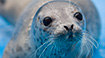
A statewide rescue effort led by the Alaska SeaLife Center’s Wildlife Response Program brings in five more harbor seal pups from across Alaska The Alaska SeaLife Center (ASLC) has admitted five more harbor seal pups to the Wildlife Response Program in the span of twelve days from across the state of Alaska. Of the new patients, two pups remain in poor health, two are in critical condition, and one sadly succumbed to an infection despite intensive care efforts. These cases follow the recent admissions of an orphaned northern sea otter pup and four previously admitted harbor seal patients, all of whom required intensive rehabilitation and veterinary care. On June 6, a female harbor seal pup was found alone on a beach near Nikiski, Alaska. Photos sent to the ASLC Wildlife Stranding Hotline confirmed that the pup was malnourished and dehydrated, likely from maternal separation. After receiving National Oceanic and Atmospheric Administration (NOAA) approval, the female pup was transported by ASLC volunteers in Kenai all the way to Seward for care. Now identified as patient PV2507, the pup is under the care of ASLC’s veterinary and wildlife response teams. While she remains in a guarded state, she has been stable for the past few days and continues to show slow signs of improvement. On June 10, a male harbor seal pup was admitted from the remote community of Pilot Point, Alaska. Following a two-flight journey to Anchorage, the pup arrived in increasingly fragile condition. In a critical window where every minute mattered, the owner of Kenai Aviation graciously volunteered to fly the pup directly to Seward on a third and final flight, ensuring he could receive immediate veterinary care. Bloodwork confirmed the pup was battling a severe internal infection, and when his fever spiked above 105 degrees Fahrenheit the morning after his admit, the ASLC veterinary and wildlife response teams moved into critical care mode. Despite hours of intensive treatment, the pup unfortunately succumbed to his condition. The Alaska SeaLife Center extends its sincere gratitude to the Kenai Aviation pilot whose rapid response gave this vulnerable pup the best possible chance. Their support was vital in delivering urgent care when it mattered most, and it didn’t stop there. The very next morning, on June 11, the Kenai Aviation team once again stepped in to help, transporting another harbor seal pup from Anchorage to Seward. This patient had traveled all the way from Sitka, Alaska, highlighting the statewide reach and rapid coordination of the ASLC Wildlife Response Program. Now identified as PV2509, the female harbor seal pup was found extremely malnourished and dehydrated. She remains in critical condition under close observation and intensive care. The stream of patients being admitted wasn’t over yet. While the team worked to stabilize patient PV2509, the ASLC was monitoring a pup in a popular fishing area in Homer. At the beginning, an adult seal was observed briefly returning to the pup, but as the pup remained in a high-traffic area, more interactions between the pup and people were documented. Her condition deteriorated, and concerns grew. With no further sign of the mother and the pup’s health declining, authorization was granted. She was transported to the ASLC late on the night of June 12. She is now known as patient PV2511. A few days later, on June 17, a seal pup near Egegik was reported alone. Photos sent showed a pup in lanugo with an umbilicus, indicating this was a premature seal. The next day, he was still in the area and there had been reports of people interacting with him. Due to his condition and location, this animal was also authorized for recovery and rehabilitation. Thanks to the generous help of Coastal Air LLC, he was flown to King Salmon on short notice so he could make his flight to Anchorage. Harbor seal PV2512 is currently under critical care due to his delicate condition. Unfortunately, these most recent patient admits highlight the serious impacts human presence can have on harbor seal pups during pupping season. One of the most significant threats to these pups is disturbance from people and pets. If a mother seal is interrupted or feels unsafe, especially in high-traffic areas, she may abandon her pup. Once abandoned, a pup’s chances of survival drop sharply, particularly during the early days when it relies entirely on its mother’s milk for nutrition, immune support, and growth. It is critical to give seals space and share coastal areas responsibly. Never approach, touch, or attempt to move a seal pup. Keep children and pets well away from haul-out sites and known pupping areas. Approaching or disturbing a marine mammal can cause lasting harm, pose safety risks to people, and may violate the Marine Mammal Protection Act. Responsible viewing helps ensure that young animals have the best possible chance to grow and survive in the wild. If you do see a seal pup in distress, the Alaska SeaLife Center remains ready to respond to reports of stranded and injured marine mammals statewide. Call the 24-hour Stranded Marine Animal Hotline at 1-888-774-SEAL (7325). We encourage all Alaskans and visitors to save this number in their phone contacts—and remember, always call first before approaching any stranded or injured wildlife. The Alaska SeaLife Center’s Wildlife Response Program can only provide care for stranded and injured marine animals with help from corporate sponsors and individual donors. People are encouraged to contribute to the care of rehabilitating marine animals here: www.alaskasealife.org/donate. The Center acknowledges the ongoing generous support of the Wildlife Response Program from supporters like ConocoPhillips Alaska, Marathon Petroleum Corporation, PetZoo, Partners 4 Wildlife, Matson, GCI, and a number of individual donors, funds, and foundations such as Stanley J Williams Fund, Mesara Family Foundation, M.E. Webber Foundation, and the NC Giving Fund.
1
News Item
Dr. John Fraser Receives Prestigious Devra Kleiman Scientific Advancement Award from AZA The Alaska SeaLife Center (ASLC) is pleased to announce that the Association of Zoos and Aquariums (AZA) has honored John Fraser, Ph.D., AIA, ASLC Director of Mission Impact, with the Devra Kleiman Scientific Advancement Award, one of its highest recognitions. Established in 2014, the award celebrates scientific contributions that advance animal management, education, and conservation. Named for pioneering zoologist Dr. Devra Kleiman, it is presented only when a candidate’s impact reflects her legacy. This marks the first time a social scientist has been recognized with the award. Over nearly four decades, Fraser’s work has transformed how zoos and aquariums understand their impact on people, showing that conservation success depends as much on human behavior as on ecosystems. Fraser’s career began as an architect designing exhibits for the Toronto Zoo in the 1980s. Encouraged by mentors including Drs. Jill Mellen, Kathy Carlstead, and David Shepherdson, he was welcomed by Kleiman into the groundbreaking Methods of Behavioral Assessment project, one of the first multi-institutional behavioral research efforts. That collaboration sparked a lifelong focus on the human side of conservation. In 2000, Drs. Carol Saunders, Stephen Kellert, and Fraser launched the idea of conservation psychology, a social-science partner to conservation biology. Since then, Fraser has led landmark projects showing how zoos and aquariums influence environmental identity, hope, and action. His leadership of Phases II and III of the Why Zoos and Aquariums Matter studies provided critical data on the social and educational impact of AZA institutions. He later co-authored The Social Value of Zoos with Tawnya Switzer, published by Cambridge University Press. Fraser has published nearly 100 peer-reviewed articles, more than 20 books and chapters, and served as editor of Curator: The Museum Journal from 2015–2022. Within AZA, he was a founding member of the Research and Technology Committee, co-author of the AZA’s Research Priorities, and a key driver behind the Social Science Research and Evaluation Scientific Advisory Group. He developed shared research tools that fostered collaboration and elevated social science in the field. “Devra welcomed me into my first major research project, and her belief in rigorous science as a tool for conservation has guided me ever since,” Fraser said. “I’ve tried throughout my career to carry that same commitment forward.” The Alaska SeaLife Center is proud to celebrate Dr. John ‘Johnny’ Fraser’s achievement and the recognition of his groundbreaking contributions to conservation science. About AZA Founded in 1924, the Association of Zoos and Aquariums is a nonprofit organization dedicated to the advancement of zoos and aquariums in the areas of conservation, education, science, and recreation. AZA is the accrediting body for the top zoos and aquariums in the United States and abroad.
1
Pages
Special Experiences Encounters are available for a single group at a time at a flat-rate price. General Admission must be purchased in addition. Members receive 20% off the regular price! Learn more. To book a reservation by phone please call 907-224-6300. For more information and questions, email onlinesales@alaskasealife.org. Click on a experience for more details. Reservations are strongly encouraged. Limited space available. Tickets only valid for date selected. ***Occasionally, experiences may be adjusted due to weather or other conditions beyond our control to ensure the comfort and safety of our animals and guests. Accessibility For guests needing accommodations, every effort will be made to allow participation in encounters. Some of our tours require walking on uneven surfaces, kneeling, walking up stairs, and standing for up to 45 minutes. For the safety of both the service animal and our ASLC animals, service animals may not be present during behind-the-scenes animal encounters. If you require a service animal, please contact our visitor services team to learn about the best ways to participate in an encounter. Please contact us at visit@alaskasealife.org if you have any questions about accessibility for any of our tours. Tickets only valid for date selected. Cancellation Policy To change or cancel your reservation, please call 888-378-2525 or email us at onlinesales@alaskasealife.org We encourage you to reschedule your reservation, if possible, as opposed to canceling. We will do our best to accommodate any changes. 1. 7 days or more in advance: no penalty, full refund or free rescheduling. 2. 2-6 days in advance: 50% of reservation refunded or free rescheduling. 3. Less than 48 hours in advance: no refund or rescheduling. All cancellations will be confirmed by phone or email.
1
Pages
Stranding Network The Alaska Stranding Network is a group of dedicated volunteers and organizations that help support rescue, stranding and rehabilitation efforts statewide. Participating organizations include the Alaska SeaLife Center, Alaska Department of Fish and Game, National Marine Fisheries Service, National Oceanic and Atmospheric Administration, the North Slope Borough, the U.S. Coast Guard, the U.S. Fish and Wildlife Service, the University of Alaska Fairbanks and University of Alaska Southeast, as well as representatives from native communities and oil companies. The Alaska Stranding Network works with the Marine Mammal Health and Stranding Response Program (MMHSRP) of the National Marine Fisheries Service (NMFS) to maintain and meet the following objectives: Improve the rescue, care and treatment of stranded marine mammals. Reduce the health risk to animals, humans, and the ocean environment during response to, and rehabilitation and release of, stranded marine mammals. Collect life history, biological, and biomedical data from live and dead stranded marine mammals. Develop baseline reference data on the health of wild marine mammal populations, normal stranding rates, and causes of morbidity and mortality; improve the rapid detection of morbidity and mortality events. Collect archival samples for future retrospective studies on causes of mortality or illness, including genetics and genomics, and for placement in the National Marine Mammal Tissue (and Serum) Bank and other properly curated, professionally accredited archival facilities. Refine and/or utilize comprehensive and consistent guidance for the rescue and rehabilitation of stranded marine mammals, collection of specimens, quality assurance, and analysis of tissue samples.
1
Pages
ASLC Internship Program Are you looking for an exciting internship opportunity? The Alaska SeaLife Center (ASLC) is sponsoring internship programs for college students or graduates who are interested in gaining a one-of-a-kind experience in a world class marine facility. ASLC internships offer a well-rounded experience in a variety of areas within the Center. Depending on the type of internship, duties may include assisting aquarium, avian, or marine mammal staff with animal husbandry tasks; helping with marine-related research projects, or as support in our education department. Our Internship Program includes: SUMMER Internships: May through early August FALL Internships: October through December WINTER Internships: January through April Program Information The internships are unpaid. Housing is provided. Participation in the program requires 40 hours per week. A background check will be conducted on all potential interns. Interns will be required to sign a contract agreeing to a start and end date. College credit can be earned but must be arranged by you and your college. Interns are responsible for their own meals and travel expenses. ASLC does not sponsor visas for foreign students. Application Instructions Complete the application for no more than 2 positions. Be sure to provide us with the best e-mail and phone number for contacting you. If you are applying for 2 internships, you must complete an application for each one. Upload the required additional information to your application. Cover Letter(s) Resume At least 1 letter of recommendation Incomplete applications will not be considered. For more information on becoming an intern, please email HR@alaskasealife.org. Current Internship Openings:
1
News Item
The Alaska SeaLife Center (ASLC) and multiple partners responded to a male ringed seal that was found out of his habitat on an oilfield in Alaska’s Beaufort Sea on Dec. 17, 2025. This is the Center’s first ringed seal response in over four years and one of only 30 ringed seals admitted in the Center’s more than 25-year history, making the case exceptional for the ASLC Wildlife Response Program. The seal, part of the Arctic subspecies listed as threatened under the Endangered Species Act, was first observed by oilfield operators. Staff contacted NOAA Fisheries, the federal agency that manages the Marine Mammal Health and Stranding Response Program, for guidance. With coordination from NOAA Fisheries, the ASLC, the local operators, and Alaska Clean Seas, the young ringed seal was brought back to the ice, but repeatedly returned to the oilfield. The ice extending along the coast of Alaska’s Beaufort Sea is a remote Arctic region where winter sea ice extends miles from shore and is often stacked by high winds, making it unlikely that humans could safely escort the seal to open water. Crews at the oilfield used an auger to drill breathing holes in the ice to encourage the seal to access the sea. Although the seal placed his head in the open holes, he did not swim away. When the seal was found moving into areas with heavy machinery, and taking into account the seasonal low light conditions, he was placed into a crate to prevent accidental injury from vehicles. With continued risk to the animal, NOAA Fisheries authorized transport to the ASLC for rehabilitation (MMPA/ESA Permit #24359). Any response involving ice seals in Alaska requires careful consideration of regulatory policy and respect for the Indigenous communities that rely on these animals for subsistence. In rehabilitation situations involving Alaska’s four ice seal species (ringed, spotted, bearded, and ribbon), the ASLC follows a precautionary non-release policy developed by NOAA Fisheries, an Alaska Native organization, and the Ice Seal Committee: ice seals transported outside of their natural range for treatment and care are not eligible for release. This policy eliminates the risk of disease transmission between marine ecosystems from these individuals, particularly for animals originating from remote and culturally significant regions. In this case, the collaborative decision to admit this ringed seal was not made lightly, as it shapes this seal’s future. “This response reflects the complexity of wildlife response in Alaska,” said Jane Belovarac, ASLC Wildlife Response Curator. “Our priority with live animals is always to rehabilitate, release, and see animals thrive in the wild. When relocation efforts in situations like this are unsuccessful, and the animal remaining in place is not safe, we are prepared to provide the specialized care needed to ensure their well-being.” ?Currently, only the ASLC and two other facilities in the United States care for ringed seals. As one of the very few ringed seals in human care and a member of the Arctic subspecies listed as threatened under the Endangered Species Act, this seal will serve as an important ambassador for his species and teach us more about the challenges that his species faces as Arctic conditions continue to change. The ASLC remains committed to working alongside federal agencies, Indigenous partners, and industry collaborators to protect the health of ice seal populations and the ecosystems they depend on. This response reflects the complexity of conservation work in Alaska’s rapidly changing Arctic and the importance of thoughtful, collaborative decision-making when human activity and wildlife intersect. We thank the partners and crews involved in the response, including Alaska Clean Seas, the Ice Seal Committee, members of the Marine Mammal Health and Stranding Response Program, and NOAA Fisheries. The Center acknowledges the ongoing generous support of the Wildlife Response Program from supporters like ConocoPhillips Alaska, Marathon Petroleum Corporation, PetZoo, Partners 4 Wildlife, Matson, GCI, and a number of individual donors, funds, and foundations such as Stanley J Williams Fund, Mesara Family Foundation, The Theresa Bannister Fund, and the NC Giving Fund. Call first! Before approaching an injured or stranded marine animal in Alaska, call the 24-hour Stranded Marine Animal Hotline at 1-888-774-SEAL(7325).
1
Calendar Event
Starting August 21 through Saturday, August 27, 2022 (ending at 8 PM) Every donation of $25 or more for ASLC pinniped research will receive a limited edition sticker decal that shows you are a supporter of this critical research! This exclusive sticker was created specifically for this event by local Alaskan artist Sea Spray AK. (Donations must be made through this link to receive a sticker!) Scientific Research was the founding reason that the Alaska SeaLife Center was created in 1991, and it remains a staple in our mission to this day. Two of the amazing scientific research projects at the ASLC that both focus on pinnipeds (seals and sea lions) are in need of your help! Federal grant funds that support scientific research have diminished over the years, making the financial support for important scientific research more and more competitive. Less support has been coming to the ASLC science teams for research that is unique to the Alaska SeaLife Center and our partner scientists. The important research our scientists have been working on for the endangered populations of Steller sea lions and ice seals have both been heavily impacted by funding reductions. With changing oceans and climates, the pinniped research at the ASLC has never been more important. The Chiswell Island Steller Sea Lion Remote Video Monitoring Project has been collecting data for over 20 years at the ASLC, and years of hard work has just now started to give us a big picture look at the changes happening in our oceans. The Alaska SeaLife Center is also home to the PHOCAS project, a special partnership between ASLC and the University of California Santa Cruz. PHOCAS stands for the Physiology and Health of Cooperating Arctic Seals. This program involves trained Alaskan ice seals that are studied at ASLC and Long Marine Laboratory. Scientists and veterinarians with expertise in seal science are working together to gather needed information about the behavior, development, health, and physiology of spotted, ringed, and bearded seals. The project will provide insight into how these seals may respond to changing ice and climate conditions in Alaskan Arctic and subArctic waters. Every year the climate and our oceans are changing, and the science team working with arctic species of ice seals at the ASLC is collecting critical data on how these elusive arctic species will be impacted. If this project does not have enough funding to continue, all who care for the survival of these irreplaceable arctic species will be impacted. From August 21 - 27, 2022 ASLC social media pages will be filled with stories and updates from the Center's pinniped scientific research teams. Follow us on Facebook Follow us on Instagram Follow us on YouTube Every donation of $25 or more for ASLC pinniped research will receive a limited edition sticker decal that shows you are a supporter of this critical research! This exclusive sticker was created specifically for this event by local Alaskan artist Sea Spray AK. (Donations must be made through this link to receive a sticker!) Please join us this week on social media to learn more about this important research and help sustain this incredible scientific work that will inform policymakers for years to come.
1
Calendar Event
The ASLC’s Wildlife Response Program facilitates important research, provides disaster readiness, rescues and rehabilitates animals in need, and raises empathy and awareness for marine life across the globe. Your donation is vital in helping us continue and expand these mission objectives. When: Sunday, September 10 through Saturday, September 16, 2023 (ending at 8 p.m.) Every donation of $25 or more to the ASLC Wildlife Response Program will receive a limited edition sticker as a testament to your support! Check back for a donation link starting Sunday, September 10. As the only institution in Alaska authorized to rehabilitate marine mammals, the ASLC is the best hope of survival for many injured, stranded, and abandoned animals. Under the care of our wildlife response team, many species (including sea otters, seals, beluga calves, walrus calves, fur seals, and countless bird patients) have been given a second lease on life. Our team also studies deceased marine animals to better understand the cause of death and gain insight into the health of Alaskan wildlife populations. In addition to covering the live animal response and care during the ‘busy’ summer season from May to September, the Wildlife Response Program plays a critical role in responding to oil spills and other environmental hazards that may pose a threat to local wildlife. Our team remains in a ready state year-round to provide basic oiled wildlife care for affected animals, and deploy mobile treatment and rehabilitation enclosures. As climate destabilization threatens the health of our oceans and the life it harbors, the importance of our mission work grows. Continued funding bolsters our ability to address and respond to ocean changes as they occur, and ensures that irreplaceable arctic species (and the people that care for them) have a place in Alaska’s future. On behalf of the ASLC, our passionate wildlife response staff, and the ocean life they protect and nurture — we thank you for your donation. Our program operates under permits and agreements issued by the National Oceanic and Atmospheric Administration (NOAA) and US Fish & Wildlife Service (USFWS). International donations: please donate through our general donations page and select "wildlife response." This will still count towards the Roundup for Wildlife Response campaign! Tune in for a week of inspiring wildlife response stories on the ASLC social media pages from September 10 - 16, 2023! Please follow us on social media to learn more about this important program and help sustain this incredible work for years to come. Follow us on Facebook Follow us on Instagram Follow us on YouTube
1
Staff Members
Chip joined the Alaska SeaLife Center (ASLC) in 2001 in the IT department, but has served the Center in many ways from daily operations to facilities to oiled wildlife response. Chip has also served at the ASLC as the Dive Safety Officer and Chief Operating Officer. In 2025, Chip has transitioned to the Chief Information Officer to the Vice President of Special Projects, and then in 2026 assumed the role of Interim Executive Vice President / Deputy Director.
1
Pages
2025 Teacher Workshop One Ocean: The Ocean Connects Us All We are partnering with the National Park Service to host a teacher workshop at the Alaska SeaLife Center on October 24-26 for 4th through 8th grade teachers. The theme this year is One Ocean: The Ocean Connects Us All. In this workshop, we will engage in nature journaling, learn local coastal ecology, and use ocean literacy to inspire students to care for their environment. We will also include conversations about cultural connections to the ocean and the value of marine environments to local people. Please submit the following application by September 26: https://forms.gle/s6m1KTxDDbeaBa1N8 If you have any questions, please reach out to the ASLC Education Department at education@alaskasealife.org. In case you didn't already know... Alaska teachers always receive free general admission to the Alaska SeaLife Center - just present a teacher ID or pay stub at the ticket counter!
1
Pages
Endowment Fund Make a donation today that keeps giving year after year The Alaska SeaLife Center (ASLC) has partnered with the Alaska Community Foundation (ACF) to create the Alaska SeaLife Center Endowment Fund, which will support the ASLC in achieving its mission of generating and sharing scientific knowledge to promote understanding and stewardship of Alaska’s marine ecosystems for the years to come. Endowment funds generate a predictable stream of income, leaving a majority of the assets to grow in perpetuity. An endowment offers the flexibility to meet ASLC’s immediate needs while ensuring assets are always preserved for our long-term mission. The ACF protects the fund’s assets from being spent for any other purpose. For example, your gift today will be invested by the ACF and will earn returns every year from the moment you make it. That means a gift of $1,000 today is a gift of $50 every year permanently to the Alaska SeaLife Center. The Alaska SeaLife Center Endowment Fund welcomes gifts of all kinds including cash, bequests, stock, real estate, life insurance and retirement assets. Gifts can be made online directly with the ACF or by calling (907) 334-6700. Online donations can also be made here through the Alaska SeaLife Center which will transfer Endowment Fund donations to the ACF on a monthly basis.
1
Pages
A New Way to Share ASLC Stories! The ASLC 60 North Science Blog has expanded to include even more stories highlighting the important work that happens at the ASLC! See the new look of the blog and join our staff as they share stories fo research, education, wildlife response, and animal care. All the amazing archived science stories are still active on the blog, but the link has changed to https://stories.alaskasealife.org/
1
Pages
Summer 2025 Availability Coming Soon Duration: Approximately 30-minute tour Maximum of 12 people per tour - Minimum age 10* Get a Sneak Peek into the daily care of our marine animals. During this interactive walking chat, our education team will share with you the day to day activity of feeding, training, enrichment, and general health care of our marine animals. Price: $26.95 per guest (does not include admission) *Guests under 16 must be accompanied by a paying adult
1
Pages
animatedcollapse.addDiv('A', 'fade=1') animatedcollapse.ontoggle=function($, divobj, state){ //fires each time a DIV is expanded/contracted //$: Access to jQuery //divobj: DOM reference to DIV being expanded/ collapsed. Use "divobj.id" to get its ID //state: "block" or "none", depending on state } animatedcollapse.init() MEET DR. ALLYSON HINDLE Animal Physiologist and Post-Doctoral Researcher at the Alaska SeaLife Center WHAT SHE STUDIES: - Animal physiology - Physiological telemetry EDUCATION: Ph.D. Wildlife & Fisheries Sciences M.S. Zoology B.S. Zoology HOMETOWN: Winnipeg, Manitoba, Canada ONE COOL EXPERIENCE I HAD WORKING IN THE ANTARCTIC WAS WHEN… "I saw the area where we work from above. The area is flat and white and windy, and it all kind of looks the same from the ground. Seeing it from an overlook made me realize how amazing and beautiful the different ridges of ice are around the islands in the frozen ocean." MY BEST PIECE OF ADVICE FOR YOUNG PEOPLE WHO ARE INTERESTED IN A CAREER IN SCIENCE IS… "Find a balance between becoming really good at your speciality and learning about what other people do. You will be much better at asking questions if you have ideas about different ways to answer them." Dr. Allyson Hindle explains why you always see Antarctic researchers wearing sunglasses. (1:00) Video Transcript The first thing that you're told before you even get to Antarctica, before they even let you on the plane, is to always wear your sunglasses. We work in Antarctica in the summertime so there's 24 hours of daylight, and we work on sea ice, which is covered by snow. So, you're actually receiving quite a lot of ultraviolet radiation, so it's really important to protect your eyes. Snow blindness is a real problem that if you basically let your eyes get sunburnt inside you have a lot of pain and difficulty seeing and you can actually lose your sight. So, nobody wants to go blind because you fail to take proper precautions like wearing your sunglasses. Also, for us we can't afford anything that would keep us from being able to work for a day so we try to be as safe as possible and that means that you're always wearing your sunglasses. WHO IS STUDYING SEALS?
1
Pages
animatedcollapse.addDiv('A', 'fade=1') animatedcollapse.ontoggle=function($, divobj, state){ //fires each time a DIV is expanded/contracted //$: Access to jQuery //divobj: DOM reference to DIV being expanded/ collapsed. Use "divobj.id" to get its ID //state: "block" or "none", depending on state } animatedcollapse.init() MEET DR. MARKUS HORNING Pinniped Ecologist and Associate Professor at Oregon State University WHAT HE STUDIES: - Diving animal behavior - Life history of diving animals EDUCATION: Ph.D. Zoology Diploma Degree Biology HOMETOWN: Rome, Italy ONE OF MY FAVORITE THINGS ABOUT WORKING IN ANTARCTICA IS... "Antarctica is as close as we as humans can get to see what it might be like to work on a different planet. It's almost like being out in a different world entirely. [When working on the sea ice,] you're out in the middle of nowhere. There's only ice and cold and blue and white, and crazy animals you never see anywhere else around you. It's amazing!" Dr. Horning talks about Antarctic working conditions - and imitates a Weddell seal! (1:07) Video Transcript Dr. Markus Horning: "There's also something really unique though about the Antarctic and paradoxically makes the seals that we work with, to us, more accessible. We actually spend most of our time at sea, even though we’re driving around Ski-Doos because the sea is frozen, but then literally the seals are underneath us as we’re walking around on the sea ice and the seals are doing their thing and they come back to the surface and they’re right next to us. And they make amazing sounds and you hear the sound through the ice." Dr. Jo-Ann Mellish: "I think you need to make the sound for us." Dr. Allyson Hindle: "Markus makes amazing seal sounds." *Dr. Markus Horning imitates seal sounds* *Dr. Jo-Ann Mellish and Dr. Allyson Hindle applaud* *Video footage with audio of seals under ice* WHO IS STUDYING SEALS?
1
Pages
animatedcollapse.addDiv('A', 'fade=1') animatedcollapse.ontoggle=function($, divobj, state){ //fires each time a DIV is expanded/contracted //$: Access to jQuery //divobj: DOM reference to DIV being expanded/ collapsed. Use "divobj.id" to get its ID //state: "block" or "none", depending on state } animatedcollapse.init() Meet Heather Coletti Marine Ecologist, National Park Service SW Alaska Inventory & Monitoring Network Heather's role in Gulf Watch Alaska: Nearshore Program Principal Investigator Important skills for her position: "Curiosity is a big one, I think. And a willingness to work in uncomfortable conditions - and long hours." Challenges in her work: "Having just that one opportunity to collect the data, and what does that really mean in a whole year?" Heather's advice to young people interested in science: "Volunteer. You know, school, of course, is important, but the sooner you can volunteer and get out in the field and start to get to know folks, the opportunities will present themselves. We always have work, we always have questions, and if you are willing to get out there, opportunities will come." Heather Coletti describes her favorite thing about working with sea otters and how she got interested in nearshore ecology. (0:54) Video Transcript My favorite daily duties… I would say one of my favorites is we do a lot of sea otter foraging work, data collection, so with high-powered telescopes we’re watching these animals eat because they bring everything up to the surface. It’s always a surprise, it’s challenging and really interesting. I’ve always been drawn to the ocean. Some circumstances just sort of present themselves professionally of who you meet, and it really does matter who your mentors are. And if you’re a good mentor I think whatever you’re interested in… and I had a great mentor, and his interest was in the nearshore, particularly in sea otters but just the ecology in general, and it stayed with me. Who is watching the Gulf?
1
Pages
animatedcollapse.addDiv('A', 'fade=1') animatedcollapse.ontoggle=function($, divobj, state){ //fires each time a DIV is expanded/contracted //$: Access to jQuery //divobj: DOM reference to DIV being expanded/ collapsed. Use "divobj.id" to get its ID //state: "block" or "none", depending on state } animatedcollapse.init() Meet John Moran Research Fisheries Biologist, NOAA/NMFS Auke Bay Laboratories John's role in Gulf Watch Alaska: Pelagic Ecosystems Humpback Whale Program Co-Principal Investigator Important skills for his position: "You definitely need patience, you need to be very tolerant of weather, and just being able to endure things and not really give up." Challenges in his work: "Being on a small boat when it’s really rough, battling the weather, wind and rain, having your expensive camera getting salt spray on it... and then the whales just not cooperating." John's advice to young people interested in science: "I would take math and English. Those are two things that I didn’t really think I needed very much that are very important. Work hard, do things that people don’t want to do. You’re not going to go out and tag whales on your first day, but if you're entering data or doing some of the more tedious things, then you make yourself very useful. And it’s a good way to meet people, a good way to get your foot in the door." John Moran describes some of the fun and frustrations of tracking humpback whales in the Gulf of Alaska. (0:50) Video Transcript When things change, like this last winter we thought we knew where all the whales were going to be in Port Gravina, and we got out there and they weren’t there. And we were just so sure of ourselves, we’ll just get out there and get a bunch of IDs, it’ll be nice & protected, and we were completely wrong. So when things jump out as being unusual that’s when it gets interesting. You think you have things figured out and you really don’t know what you’re talking about. I really like driving the boat for some reason, I don’t know why maybe it’s the control issue, but for doing photo Id or biopsies especially or tagging, and I do disentanglement work in Southeast and just being the one that maneuvers the boat, gets the boat close to the whales while somebody else maybe does the other things, you feel like you’re the one literally in the driver’s seat. Who is watching the Gulf?
1
Pages
animatedcollapse.addDiv('1', 'fade=1') animatedcollapse.ontoggle=function($, divobj, state){ //fires each time a DIV is expanded/contracted //$: Access to jQuery //divobj: DOM reference to DIV being expanded/ collapsed. Use "divobj.id" to get its ID //state: "block" or "none", depending on state } animatedcollapse.init() animatedcollapse.addDiv('2', 'fade=1') animatedcollapse.ontoggle=function($, divobj, state){ //fires each time a DIV is expanded/contracted //$: Access to jQuery //divobj: DOM reference to DIV being expanded/ collapsed. Use "divobj.id" to get its ID //state: "block" or "none", depending on state } animatedcollapse.init() Who is watching walrus? Meet... Dr. Lori Polasek Marine Mammal Scientist and Assistant Research Professor for the School of Fisheries and Ocean Sciences at the University of Alaska Fairbanks Dr. Polasek has studied many species of seals, sea lions, fur seals, walrus, whales and dolphins. She was an accounting major in college until she took a required biology class – then she changed her major to marine biology and never looked back! "I became interested in marine biology when I learned how to SCUBA dive when I was 12 years old. I wanted to learn more about how animals were capable of surviving in such extreme conditions without suffering the consequences humans experienced." Hear Dr. Polasek describe her work at the Alaska SeaLife Center and how she got to this point in her career. (2.5 minutes)
1
Pages
animatedcollapse.addDiv('1', 'fade=1') animatedcollapse.ontoggle=function($, divobj, state){ //fires each time a DIV is expanded/contracted //$: Access to jQuery //divobj: DOM reference to DIV being expanded/ collapsed. Use "divobj.id" to get its ID //state: "block" or "none", depending on state } animatedcollapse.init() animatedcollapse.addDiv('2', 'fade=1') animatedcollapse.ontoggle=function($, divobj, state){ //fires each time a DIV is expanded/contracted //$: Access to jQuery //divobj: DOM reference to DIV being expanded/ collapsed. Use "divobj.id" to get its ID //state: "block" or "none", depending on state } animatedcollapse.init() MEET DR. BODIL BLUHM MARINE BIOLOGIST AND RESEARCH ASSOCIATE PROFESSOR AT THE UNIVERSITY OF ALASKA FAIRBANKS WHAT SHE STUDIES: -Marine invertebrates -Sea ice & benthic ecology EDUCATION: B.A. Biology M.S. Zoology Ph.D. Marine Biology ONE COOL EXPERIENCE WHEN WORKING IN THE ARCTIC WAS... "We were trying to trawl for bottom fauna, at like 10,000 feet, in ice (in the Arctic deep sea). We deployed an ROV and deep sea cameras and we were sitting on the ship, and live-seeing what was on the sea floor, creeping around there." Dr. Bodil Bluhm describes what she likes best about Arctic marine research. (1:00) Video Transcript I think the two things I like best are the interactions with people, and that's both with the fellow scientists from all over the place as well as with outreach activities, just talking to my five year old and her preschool group- the other day they had this ocean topic and I brought my dive gear, and they get all excited- so that's one part I really like, the interaction with people. Also on the international level, with the Arctic being the Arctic there's a lot of countries all around it, and we really have contacts to all of them. The other thing I really like is the study area itself. It has so many challenges, and it is under pressure from all these different activities- including climate change, and oil and gas and so on- but it just keeps being an interesting area to me to study. So those are the two things that really keep me excited about the work. WHO IS STUDYING SEA ICE?
1
Pages
animatedcollapse.addDiv('1', 'fade=1') animatedcollapse.ontoggle=function($, divobj, state){ //fires each time a DIV is expanded/contracted //$: Access to jQuery //divobj: DOM reference to DIV being expanded/ collapsed. Use "divobj.id" to get its ID //state: "block" or "none", depending on state } animatedcollapse.init() animatedcollapse.addDiv('2', 'fade=1') animatedcollapse.ontoggle=function($, divobj, state){ //fires each time a DIV is expanded/contracted //$: Access to jQuery //divobj: DOM reference to DIV being expanded/ collapsed. Use "divobj.id" to get its ID //state: "block" or "none", depending on state } animatedcollapse.init() MEET DR. KATRIN IKEN MARINE BIOLOGIST AND PROFESSOR AT THE UNIVERSITY OF ALASKA FAIRBANKS WHAT SHE STUDIES: -Foodweb interactions -Marine plants and invertebrates ONE CHALLENGE OF WORKING IN THE ARCTIC IS... "You have to be prepared to be cold, because you can only put on so many clothes." Dr. Katrin Iken describes how her work as a scientific diver gives her special insight into her study of marine ecosystems. (1:00) Video Transcript I am a scientific diver, and I love doing it. Not just for the adventure but really for the reason that it gives me a completely different appreciation of how things look under water. It is much easier for me to understand, sort of how organisms live together and how they work together if I can actually see them in their natural environment. It’s very different to see them there than for instance to have a big bottom trawl bring up organisms and you look at a big pile of them, but they are all just jumbled together and you don’t know anymore how they were actually distributed; especially sort of in relation to each other, in relation to certain habitat features such as rocks or sediment or elevation under water or depressions in the sea floor you know, all these kind of things. So I think it gives us as researchers a different insight to be able to actually see how it is under the water. WHO IS STUDYING SEA ICE?
1
Pages
animatedcollapse.addDiv('1', 'fade=1') animatedcollapse.ontoggle=function($, divobj, state){ //fires each time a DIV is expanded/contracted //$: Access to jQuery //divobj: DOM reference to DIV being expanded/ collapsed. Use "divobj.id" to get its ID //state: "block" or "none", depending on state } animatedcollapse.init() animatedcollapse.addDiv('2', 'fade=1') animatedcollapse.ontoggle=function($, divobj, state){ //fires each time a DIV is expanded/contracted //$: Access to jQuery //divobj: DOM reference to DIV being expanded/ collapsed. Use "divobj.id" to get its ID //state: "block" or "none", depending on state } animatedcollapse.init() MEET MARTIN SCHUSTER UAF GRADUATE WITH AN MS DEGREE IN MARINE BIOLOGY AND PAST RESEARCH TECHNICIAN AT THE UNIVERSITY OF ALASKA FAIRBANKS WHAT HE STUDIES: -Kelp forest ecology -Scientific diving EDUCATION: B.S. Biological Sciences M.S. Marine Biology THE BEST WAY TO GET STARTED IN THE SCIENCE FIELD IS... "to volunteer. You have to make your interests known to people... The people who ask questions, that's what highlights you as someone who (gets into grad school)." Martin talks about how he got involved with marine research and scientific diving at the University of Alaska Fairbanks. (01:15) Video Transcript I was just sort of taking biology classes until I stumbled upon this poster that said ‘Scientific Diving here at UAF’ and I thought, ‘well, why the heck not’ and it looked pretty cool. I was looking for a change, so I took that class with Dr. Conar and it really changed my life in a lot of ways. After I put on that dry suit and got under the water, I really realized the amazing diversity of life we have here in these super cold waters. It was hard for me to imagine before because I’d never stuck my face into the water before. Just seeing a kelp forest for the first time and all the amazing plant and invertebrate life in there really made me realize that this was a thing that I could do. So after that I took the class again, and then I took it again, and then I ended up joining Brenda’s lab, and becoming a scientific diver for her. Then eventually became a grad student, which has led me to a lot of other cool fieldwork that’s not diving related as well, including this icebreaker expedition that I went on with Rolf. WHO IS STUDYING SEA ICE?
1
Pages
animatedcollapse.addDiv('1', 'fade=1') animatedcollapse.ontoggle=function($, divobj, state){ //fires each time a DIV is expanded/contracted //$: Access to jQuery //divobj: DOM reference to DIV being expanded/ collapsed. Use "divobj.id" to get its ID //state: "block" or "none", depending on state } animatedcollapse.init() animatedcollapse.addDiv('2', 'fade=1') animatedcollapse.ontoggle=function($, divobj, state){ //fires each time a DIV is expanded/contracted //$: Access to jQuery //divobj: DOM reference to DIV being expanded/ collapsed. Use "divobj.id" to get its ID //state: "block" or "none", depending on state } animatedcollapse.init() MEET DR. ROLF GRADINGER SEA ICE SCIENTIST AND PROFESSOR AT THE UNIVERSITY OF ALASKA FAIRBANKS WHAT HE STUDIES: -Sea ice & polar ecology -Microbiology EDUCATION: M.S. Marine Biology Ph.D. Marine Science ONE OF THE MOST INTERESTING THINGS ABOUT WORKING IN THE ARCTIC IS... "It's like a little bit of exploration. You go there, nobody has been there before. We were the first people walking on that ice and taking samples. That's very exciting!" Dr. Rolf Gradinger describes what he loves about working in the Arctic. (0:45) Video Transcript What keeps me going is that I'm fascinated with the Arctic. You know, I did my first Arctic cruise in 1984 and I can't get enough. What always amazes me when we do these kinds of trips, is the beauty of the landscape. During the transit sometimes you see Orcas or you see Bowhead whales, and you have this beautiful coastline. And personally, I love the ice, the different shapes of ice. Like a sunset in an ice covered water, I would do a lot of things to see that again. I have to admit this, it's just stunningly beautiful. Each time it's a wonderful experience, and I just love to learn. That's the other part, I'm always curious and I love to learn, and I feel pretty priviledged that I can do this as my profession. WHO IS STUDYING SEA ICE?
1
Pages
animatedcollapse.addDiv('A', 'fade=1') animatedcollapse.ontoggle=function($, divobj, state){ //fires each time a DIV is expanded/contracted //$: Access to jQuery //divobj: DOM reference to DIV being expanded/ collapsed. Use "divobj.id" to get its ID //state: "block" or "none", depending on state } animatedcollapse.init() animatedcollapse.addDiv('B', 'fade=1') animatedcollapse.ontoggle=function($, divobj, state){ //fires each time a DIV is expanded/contracted //$: Access to jQuery //divobj: DOM reference to DIV being expanded/ collapsed. Use "divobj.id" to get its ID //state: "block" or "none", depending on state } animatedcollapse.init() MEET DR. KATRINA COUNIHAN SCIENTIST at the Alaska SeaLife Center WHAT SHE STUDIES: - Microbiology - Pathology - Immunology EDUCATION: B.A.S. in Biology and History from the University of California Davis Ph.D. in Microbiology from the University of California Davis "SOMETIMES WHAT THEY SEE CANDLING AN EGG...could look normal to them and then we open it and we see something that’s unusual that they weren’t able to see on candling. You never know what you’re going to find until you open it." "MY FAVORITE PART OF RESEARCH...even when you kind of finish a project it often creates more questions than answers, so you aren’t doing the same thing every day. I like having something new to do all the time." Dr. Katrina Counihan tells why she likes working in the lab on the Steller's eider project. (0:55) Video Transcript I like working in the lab because it’s hands-on work. I like pipetting things and working with samples, and you work with the different equipment. And the eggs are always fun because each one can be a little different, so it’s always interesting to see what result you are going to get with whatever experiment you're doing. The hardest part is usually not breaking the yolk, because you want to have the albumen and the yolk separated cleanly. Everyone thinks they are going to be like a chicken egg and have pretty tough yolks, but eider eggs have very delicate yolks, so you have to empty it into the dish very gently and take your samples very quickly because the yolk breaks pretty fast. That’s usually the challenge we always set for each other, to not break the yolk. After three hundred plus eggs you get pretty good. CLICK BELOW TO LEARN ABOUT SEADUCK SCIENTISTS!
1
Pages
animatedcollapse.addDiv('A', 'fade=1') animatedcollapse.ontoggle=function($, divobj, state){ //fires each time a DIV is expanded/contracted //$: Access to jQuery //divobj: DOM reference to DIV being expanded/ collapsed. Use "divobj.id" to get its ID //state: "block" or "none", depending on state } animatedcollapse.init() animatedcollapse.addDiv('B', 'fade=1') animatedcollapse.ontoggle=function($, divobj, state){ //fires each time a DIV is expanded/contracted //$: Access to jQuery //divobj: DOM reference to DIV being expanded/ collapsed. Use "divobj.id" to get its ID //state: "block" or "none", depending on state } animatedcollapse.init() MEET NATHAN BAWTINHIMER Aviculturist at the Alaska SeaLife Center WHAT HE DOES: - Eider husbandry - Eider mate pairing - Artificial incubation EDUCATION: B.S. in Biological Sciences with minor in Wildlife Science from North Carolina State University HOMETOWN: Ayden, North Carolina "THERE'S NO SUCH THING AS A TYPICAL DAY... During breeding season we'll candle all the eggs, enter all the data in the spreadsheet, and keep very detailed records of everything we see every day when we candle. The husbandry aspect is much less time-consuming in the winter time. In the winter, it's a lot of cleaning and routine maintenance. Like this past winter, we put up bird spikes to keep away ravens and magpies that like to sit on the walls." Nathan tells how and why he got his start working with Steller's eiders. (0:58) Video Transcript I’m the eider research aviculturist. I help with setting up pairs, setting up nest sites, promoting breeding behaviors and a lot of the incubation practices that we use. I have raised birds since I was a teenager with my father. My senior year of college I did an internship with Sylvan Heights Waterfowl Center in Scotland Neck, North Carolina. I worked with over 100 different species of waterfowl there but the Steller's are one of the few species I hadn’t worked with and I really wanted to get some experience with them, and this job presented itself and I was lucky enough to get it and I have been enjoying working with them ever since. They’re really not like any of the other eiders. The fact that they’re declining so rapidly is a motivating factor for me to jump on board with the eider team to try and help save them and reintroduce them to the wild. CLICK BELOW TO LEARN ABOUT SEADUCK SCIENTISTS!
1