





Latest News News Archives

July 28, 2026Four Additional Harbor Seal Pups Admitted to ASLC Wildlife Response Program in 2026

July 10, 2026Alaska SeaLife Center Launches Executive Vice President Search
To support this important leadership search, the Alaska SeaLife Center has retained Heather Campbell and Kay Linder, Partners within ThinkingAhead Executive Search, as recruitment partners.

June 30, 2026Local Volunteer Pilot Helps ASLC Admit Two Orphaned Harbor Seal Pups from Cordova, Alaska

June 22, 2026Alaska SeaLife Center Participates in Seward Fin Whale Necropsy

May 22, 2026First Harbor Seal Pup of the Season Admitted from Kenai, Alaska
Events


Science Spotlight
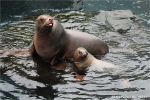
The period of maternal investment in Steller sea lions is the most energetically demanding, and is a critical period for adequate food intake in... Learn More
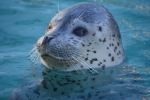
The PHOCAS—Physiology and Health of Cooperating Arctic Seals—program is a collaborative research effort between Long Marine Laboratory at the... Learn More
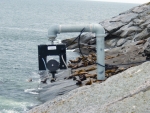
Overview:
This remote monitoring study is the longest ongoing research project at the Alaska SeaLife Center (ASLC). Since 1998, scientists at... Learn More
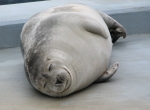
Harbor seal (Phoca vitalina) abundance in the Aleutian Island chain of Alaska has experienced a greater than 60% decline over the last twenty... Learn More
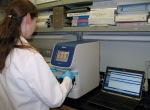
Overview
The limited knowledge that we have about walrus diet in Bristol Bay comes from Traditional Ecological Knowledge of local residents.... Learn More
What We Hope To Learn:

What We Hope To Learn:
What We Hope To Learn:
What We Hope to Learn:
Recently advanced biochemical tracking methods involve the analysis of dietary biomarkers (i.e. fatty acid signature... Learn More
Overview
Pollution and climate change are affecting environments worldwide and methods are needed to monitor their impacts on coastal... Learn More