

- Sub Menu
Search results for "Searchfccoinskopen Besuche die Website Buyfc26coins.com. Billig und seriös..cMxe"
356 Results Found
356 Results Found
News Item
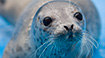
May 26, 2023 – Over the last week, the Alaska SeaLife Center (ASLC) admitted three harbor seal pups to the Wildlife Response Program from the Copper River area. A female harbor seal pup was admitted on Sunday, May 21, 2023, and a male and female were admitted two days later on Tuesday, May 23, 2023. All three pups were reported to the ASLC’s 24-hour Stranded Marine Animal Hotline (1-888-774-7325) by separate callers. They were all spotted in different locations along the Copper River by different fishing boats, with no adult seals seen in the area. Newborn harbor seal pups cannot survive on their own so NOAA approved ASLC to respond to the three pups. The Alaska State Wildlife Troopers were essential in transporting all three pups from the fishing boats to the Cordova Airport to be flown to Anchorage. Once the pups arrived in Anchorage, NOAA staff transported the pups to meet the ASLC Wildlife Response Team along the Seward Highway in Turnagain Pass. After transferring the patients to an ASLC response vehicle, they then completed their journey to the Alaska SeaLife Center for treatment. The main concerns found by the ASLC veterinary team upon the initial admit exams for all three pups were malnourishment and dehydration. All three pups still had umbilical cords attached, signaling that all were less than a week old. The ASLC will continue to share updates on the patients’ status on their social media pages. The Alaska SeaLife Center’s Wildlife Response Program can only provide care for stranded and injured marine animals with help from corporate sponsors and individual donors. People are encouraged to contribute to the care of rehabilitating marine animals here: www.alaskasealife.org/donate. The Center acknowledges the ongoing generous support of the Wildlife Response Program from supporters like ConocoPhillips, Marathon Petroleum Corporation, PetZoo, Partners 4 Wildlife, Matson, GCI, and a number of individual donors, funds, and foundations such as Stanley J Williams Fund, Mesara Family Foundation, and the NC Giving Fund. Call first! Before approaching an injured or stranded marine animal in Alaska, call the 24-hour Stranded Marine Animal Hotline at 1-888-774-SEAL(7325).
2
News Item
Seward, Alaska (January 19, 2021) – The Alaska SeaLife Center (ASLC) announces the nomination period for the 2021 Alaska Ocean Leadership Awards has been extended to January 28, 2021. ASLC established the Awards to recognize those who have made significant contributions to ocean sciences, education, and resource management in Alaska. Awards will be presented at a virtual event in March, 2021. The award categories are as follows: Walter J. & Ermalee Hickel Lifetime Achievement Award: Awarded to an individual or institution that has made an exceptional contribution to management of Alaska’s coastal and ocean resources over a period of 20 or more years. $1000 cash prize. Sponsored by the late Governor Walter J. and the late Ermalee Hickel. Stewardship & Sustainability Award: Awarded to an industry initiative that demonstrates the highest commitment to sustainability of ocean resources. Sponsored by Jason Brune. Marine Research Award: Awarded to a scientist, team of scientists, or an institution that is acknowledged by peers to have made an original breakthrough contribution or a career spanning achievement in any field of scientific knowledge about Alaska’s oceans. $500 cash prize. Sponsored by Dr. Clarence Pautzke and Dr. Maureen McCrea. Marine Science Outreach Award: Awarded to a person, team, or organization that has made an outstanding contribution to ocean literacy via formal or informal education, media, or other communications about Alaska’s marine ecosystems. $500 cash prize. Sponsored by Alaska Ocean Observing System. Hoffman-Greene Ocean Youth Award: Awarded to an individual or team of Alaskan youth up to age 19 who has displayed dedication to promoting the understanding and stewardship of Alaska’s oceans. $500 cash prize. Sponsored by Dale Hoffman. To make a nomination for any of these awards, visit our website www.alaskasealife.org or email oceanawards@alaskasealife.org. About the ASLC Opened in 1998, the Alaska SeaLife Center operates as a private, non-profit research institution and public aquarium. It generates and shares scientific knowledge to promote understanding and stewardship of Alaska’s marine ecosystems. To learn more, visit www.alaskasealife.org.
2
News Item
The Alaska SeaLife Center (ASLC) is preparing for a busy summer season as the new Rocky Coast Discovery Pools open. This past Saturday, May 29, the Center saw 1,713 visitors pass through the facility, a record number for May for at least the past fifteen years. Visitors are strongly encouraged to purchase tickets ahead of time to guarantee their date and time of entry. Saturdays in particular are booking up fast; last weekend the entrance wait time for walk-ins reached 2 hours. Ticket reservations: www.alaskasealife.org/tickets While the increased tourism is welcomed, the team is still working to keep people safe by requiring masks and managing capacity. “We are grateful for the attendance level we are experiencing after a difficult 2020. While we can handle an increase in visitation, we must prioritize safety for both people and animals by continuing mask use and encouraging social distancing,” explains Tara Riemer, ASLC President and CEO. She continued, “Many of our younger guests under age 16 have not had the chance to become fully vaccinated, and their safety is of utmost importance.” The recent opening of the Rocky Coast Discovery Pools is also expected to attract even more visitors. Phase one of the new 1,100 gallon exhibit build offers guests a hands-on opportunity to explore Alaskan fish and invertebrate species in 6 pools. ASLC is thankful to the contributors of this new exhibit: ConocoPhillips Alaska, First National Bank Alaska, Matson, Petro Marine Services, Shoreside Petroleum, and the Lindsey Family. About ASLC: Opened in 1998, the Alaska SeaLife Center is a private, non-profit 501(c)(3) research institution and public aquarium. It generates and shares scientific knowledge to promote understanding and stewardship of Alaska’s marine ecosystems. The ASLC is an accredited member of the Association of Zoos and Aquariums. To learn more, visit www.alaskasealife.org or find us on Facebook.
2
News Item
Seward, Alaska (April 21, 2022) – The Alaska SeaLife Center (ASLC) has partnered with KultureCity to be the first Sensory Inclusive Certified organization in the State of Alaska. With this new certification, ASLC is now better prepared to assist guests with sensory sensitivities in having the most comfortable and accommodating experience possible when visiting. Sensory sensitivities or challenges with sensory regulation are often experienced by individuals with autism, dementia, PTSD, and other similar conditions. “At the Alaska SeaLife Center, we are making it a priority to be as inclusive and welcoming as possible. We strive to be allies and advocates for anyone who wants to join us in our efforts for ocean conservation,” said Jeff Dillon, ASLC Senior Education Manager. “We want to make sure we are understanding, welcoming, and supportive of the nearly 1 in 6 individuals with an invisible or sensory disability. Being certified and trained through KultureCity is critical to that effort.” In preparation for certification, the staff at the Alaska SeaLife Center was trained through KultureCity by leading medical professionals on how to recognize those guests with sensory needs and the best way to handle a sensory overload situation. Prior to visiting, guests can find accessibility information and resources on the ASLC website. Guests can also download the free KultureCity app to view what sensory features are available and the Social Story, which will provide a preview of what to expect while visiting the Alaska SeaLife Center. Sensory bags provided by KultureCity are available at the Center for any guest who may feel overwhelmed by the environment. Sensory bags are equipped with noise-canceling headphones, fidget tools, verbal cue cards, and weighted lap pads and will be available free of charge to check out at the ticketing counter. These guests will also be provided with resources that designate what areas may be loud and will have access to a designated quiet area if needed. “Our communities are what shapes our lives and to know that the Alaska SeaLife Center is willing to go the extra mile to ensure that everyone, no matter their ability, is included in their community is amazing. We’re honored to partner with the Alaska SeaLife Center to provide a truly inclusive experience for all fans and guests!” said Uma Srivastava, Executive Director, KultureCity. About KultureCity KultureCity is a leading non-profit recognized nationwide for using its resources to revolutionize and effect change in the community for those with sensory needs, not just those with autism. Since the program’s inception, KultureCity has created over 900 sensory inclusive venues in 5 countries and has won many awards for its efforts.
2
News Item
The Wildlife Response Program patients include a young harbor seal and a sea otter pup Seward, Alaska (Sept. 14, 2022) – The Alaska SeaLife Center (ASLC) recently admitted two patients to the Wildlife Response Program, a young male harbor seal (the third admitted in 2022) and a male sea otter pup. The harbor seal pup was reported by the captain of a local charter fishing boat on August 22, 2022 after the pup climbed onto the boat’s deck near Hive Island, about 15 miles south of Seward in Resurrection Bay. Photographs sent to the ASLC showed a skinny, young male harbor seal pup. Upon meeting the boat in the harbor, it was clear to ASLC staff by the seal’s exhausted appearance and quiet behavior that he would need immediate medical attention. After receiving National Oceanic and Atmospheric Administration approval, the pup was transported back to the Alaska SeaLife Center for treatment. After an initial examination, veterinary staff estimated that the seal was around two months old and was likely separated from his mother or weaned prematurely. The team’s main concerns were malnourishment, dehydration, and lethargy. Some wounds were also noted on the seal’s flippers. Once hydrated with supportive fluids, the seal quickly took to eating fish on his own. Recovering from starvation can be a slow process, and the team is currently providing additional stabilizing treatments and monitoring the patient further to understand the severity of his conditions. The second rescue occurred September 7, 2022 after a caller to the ASLC’s 24-hour Stranded Marine Animal Hotline (888-774-7325) reported a pair of otters on a remote beach in the western Kenai Peninsula. Observers sent photographs and described a disheartening scene to ASLC hotline operators. They saw a moribund female sea otter that was barely moving or breathing with her juvenile pup vocalizing on top of her. The condition of the mother was dire, and the team determined she would likely not survive a transport back to Seward or treatment. Efforts were then focused on saving the male pup, estimated to be around four months old and too young to survive on its own. With approval from the U.S. Fish and Wildlife Service, the pup was admitted to the ASLC Wildlife Response program for care. The original observers were able to return to the remote site the next day and confirm that the adult had passed away. The pup was examined upon arrival to ASLC and found to be underweight, but otherwise alert and strong. After the exam, he was swimming energetically and eating solid food. Over the next several days the team will be closely monitoring him for signs of illness or challenges keeping his coat in good condition. You can follow the ASLC on Facebook and Instagram for more updates on these rescue patients as the team works to nurse them back to health. The Alaska SeaLife Center’s Wildlife Response Program can provide care for animals like these thanks to donations from corporate sponsors and individual donors. People are encouraged to contribute to the care of this patient here: www.alaskasealife.org/donate. The Center acknowledges the ongoing generous support of the Wildlife Response Program from companies like ConocoPhillips, Marathon Petroleum Corporation, PetZoo, GCI, and a number of individual donors. Call 1-888-774-SEAL(7325) if you see any marine mammal in distress in Alaska.
2
News Item
The Association of Zoos & Aquariums (AZA) this week announced that the Alaska SeaLife Center (ASLC) was granted continued accreditation by AZA’s independent Accreditation Commission. The ASLC was first accredited by the AZA in 2011 after meeting the highest standards in animal wellbeing, veterinary programs, conservation, education, and safety, and continues to uphold these high standards as an AZA-accredited aquarium. AZA is the independent accrediting organization for leading zoos and aquariums in America and the world, assuring the public that when they visit an AZA-accredited facility, it meets the highest standards for animal care and welfare. Less than 10 percent of the 2,800 wildlife exhibitors licensed by the United States Department of Agriculture under the Animal Welfare Act meet the more comprehensive standards of AZA accreditation. “The public expectations for animal care are constantly increasing, as are our own, which is why AZA’s accreditation standards are focused on providing the best animal care possible,” said Dan Ashe, President and CEO of AZA. “Our rigorous accreditation standards evolve based on modern animal research, ensuring a process the public can trust. We applaud and admire these exceptional zoos, aquariums, and related facilities on meeting the ‘gold standard’ for a modern zoological facility.” The Alaska SeaLife Center underwent a thorough review to make sure it has and will continue to meet ever-rising standards, which emphasize animal wellbeing, veterinary programs, conservation, education, and safety. AZA requires facilities to complete this rigorous accreditation process every five years as a condition of Association membership. “After several non-normal years, it’s a major accomplishment for our entire team to successfully undergo this meticulous inspection and accreditation process with the Association of Zoos and Aquariums. We are currently the only AZA-accredited facility in the state of Alaska, and I am proud of the hard work our team puts in each and every day to meet and exceed the high standards set by the AZA for animal care, conservation, education, and safety," said Tara Riemer, President and CEO of the Alaska SeaLife Center. “When guests visit the Alaska SeaLife Center, they are supporting a world-class organization that is truly making a difference for marine wildlife in Alaska.” The AZA accreditation process includes a detailed application and a meticulous, on-site, multiple-day inspection by an independent team of expert zoological professionals. The inspecting team analyzes all aspects of the facility’s operation, including animal welfare and well-being; veterinary care; staff training; safety for visitors, staff, and animals; educational programs; conservation efforts; financial stability; risk management; governance; and guest services. Detailed reports from the inspection team and the facility alike are then thoroughly evaluated by the Commission. Finally, top officials are interviewed by the Accreditation Commission at a formal hearing, after which accreditation is fully granted, provisionally granted for one year, or denied. Accreditation was fully granted to the Alaska SeaLife Center on September 19, 2022 via a virtual hearing. About AZA Founded in 1924, the Association of Zoos and Aquariums is a nonprofit organization dedicated to the advancement of zoos and aquariums in the areas of conservation, animal welfare, education, science, and recreation. AZA is the accrediting body for the top zoos and aquariums in the United States and 12 other countries. Look for the AZA accreditation logo whenever you visit a zoo or aquarium as your assurance that you are supporting a facility dedicated to providing excellent care for animals, a great experience for you, and a better future for all living things. The AZA is a leader in saving species and your link to helping animals all over the world. To learn more, visit www.aza.org. About ASLC Opened in 1998, the Alaska SeaLife Center operates as a 501(c)(3), non-profit research institution and public aquarium in Seward, Alaska. The Center generates and shares scientific knowledge to promote understanding and stewardship of Alaska’s marine ecosystems. The ASLC is an accredited member of the Association of Zoos and Aquariums. To learn more, visit www.alaskasealife.org.
2
News Item
The Alaska SeaLife Center is proud to announce that Neisha Jones has been chosen to become the Center’s first Director of People and Culture. In this newly created executive leadership position, Jones will serve as the organizational lead for all human resources and diversity, equity, accessibility, and inclusion (DEAI) functions. “People and culture are core determinants of our success as an organization, and ASLC is committed to attracting and retaining top talent. The recruitment of Neisha Jones in the newly created position of Director of People and Culture is another significant step towards the fulfillment of this commitment,” said Tara Riemer, ASLC President and CEO. Jones is a certified professional in human resources and a diversity, equity, inclusion, and justice (DEIJ) practitioner with over 10 years of experience practicing human resources in the public, non-profit, and education industries. Jones’ extensive work with national organizations is a major asset in ASLC’s DEAI efforts and advancement of organizational environmental initiatives within Alaska and beyond. The new director’s expertise is in labor relations, talent strategy, leadership development, and strategic planning, with an emphasis in embedding equity and inclusion into human resources strategy and implementation. Jones’ passion simultaneously entails building human resources organizational infrastructure and fostering cultures of belonging where employees feel safe and empowered to do their best work. “With ASLC’s recent focus on integrating diversity, equity, inclusion, and accessibility practices for both staff and visitors, Neisha Jones’ expertise will really help us advance our culture of equity, excellence, and belonging and help create a safe place for all to explore the wonders of Alaska’s marine ecosystems,” said Tara Riemer. In addition to their new role at the ASLC, Jones serves as Board President for New Life Development and as a Board Member for Best Beginnings. “I’m most looking forward to defining what it means to model a culture of belonging at ASLC where staff feel empowered to bring their whole selves to work. Empowered staff are productive stewards of our organization, respective communities, and ultimately great stewards of Alaska’s marine ecosystems,” said Jones.
2
News Item
Five organizations from around the United States have come together to provide care to an orphaned Pacific walrus calf receiving rehabilitative care at the Alaska SeaLife Center (ASLC) in Seward, Alaska, in hopes of giving her a second chance at life. The ASLC is leading the heartfelt and intensive effort to care for the rare orphaned Pacific walrus calf that arrived from Utqiagvik, Alaska, on July 22, 2024. The young female walrus, estimated to be only a few weeks old, was found abandoned after her herd left the area. She was emaciated, dehydrated, and had small superficial wounds covering her body when the United States Fish and Wildlife Service (USFWS) gave the ASLC’s Wildlife Response Program approval to respond to the calf. Since its opening in 1998, the ASLC has admitted only eleven Pacific walrus calves to its Wildlife Response Program. It is the only organization authorized to rehabilitate live stranded marine mammals in the state of Alaska, making this female calf very special. “Caring for an orphaned walrus calf is an incredibly demanding task, requiring unwavering dedication and expertise,” said Dr. Wei Ying Wong, ASLC President and CEO. “We watch her signs of improvement with cautious optimism and are pleased to be supported by our partners in providing the best possible care for her and all our wildlife response patients.” In the three weeks since the walrus calf's arrival, the ASLC has received support from top walrus care institutions across the U.S., including SeaWorld, Indianapolis Zoo and Point Defiance Zoo & Aquarium. Each organization, accredited by the Association of Zoos and Aquariums (AZA), has sent an additional staff member to assist with the calf's care. Additional AZA-accredited organizations are also assisting from afar and are potentially offering help for the coming weeks of care. This united effort highlights the power of collaboration in wildlife conservation and demonstrates the commitment of AZA-accredited institutions to preserving marine wildlife. “We are proud to have been able to answer the call to work with our AZA colleagues to care for this precious walrus. Our amazing animal care teams are on call 24/7/365 to help ill, injured or orphaned animals in need of expert care with the goal of rehabilitation,” said Dr. Chris Dold, SeaWorld’s Chief Zoological Officer. “As one of only four North American zoos and aquariums that are home to walruses, our staff are uniquely skilled to help provide care for this calf, and we were ready to pitch in as soon as the call came in,” said Point Defiance Zoo & Aquarium’s General Curator Malia Somerville after they sent a member of their team to Seward, Alaska to assist with the around-the-clock care. Walrus calves are with their mom for one to two years and are highly social. They seek comfort through physical contact with their mothers. In rehabilitation, staff act as surrogates, sitting with the calf 24/7 and providing intensive care. This habituation to human care means that this calf will not be a candidate for release, but she will serve as an important ambassador for her species, raising awareness about the challenges faced by Pacific walruses and the ecosystems they live in. “Animal conservation is a team effort that requires collaboration and commitment. Answering the call to help with this rescue embodies our mission of protecting nature and inspiring people to care for our world,” said Dr. Robert Shumaker, Indianapolis Zoo President and CEO. Indianapolis Zoo is currently home to “Aku,” the Pacific walrus calf the ASLC rescued and rehabilitated in 2017. Like Aku, this current patient and any young orphaned walrus calves that are successfully rehabilitated are not candidates for release to the wild. "Walrus are amazing ambassadors for the Arctic and an inspiration to all of us to be better stewards of the planet we all share. We are honored to have walruses in our parks, providing our guests the opportunity to learn about them and inspiring people to protect them and their habitats," said Dr. Chris Dold. The joint efforts of ASLC and its AZA walrus care partners illustrate the dedication required to rehabilitate and care for such a precious marine mammal from the Arctic. By coming together, these organizations are giving this specific walrus calf the best possible chance at survival while also highlighting the broader significance of her species and the plight of the Arctic ecosystem as a whole. “This one abandoned and rescued walrus calf serves as a vital ambassador for her species, the communities who rely upon them, and the arctic ecosystem. ASLC and our partners are excited to contribute to the broader effort of conserving these magnificent creatures and their ecosystems, including the rich culture and wisdom of the Alaska Native peoples, who have been here since time immemorial,” said Dr. Wei Ying Wong, ASLC President and CEO. The walrus calf, though still in a critical state, is showing positive signs of improvement. She is still in the quarantined wildlife response area and is not currently viewable to the public. If this changes, an announcement will be made on ASLC’s Facebook and Instagram pages. Updates on her condition will be shared through ASLC’s Facebook and Instagram pages, as well as on the pages of the partnering organizations. Those interested in contributing to the care of these patients can visit www.alaskasealife.org/donate.
2
News Item
The Alaska SeaLife Center (ASLC) is thrilled to announce the appointment of Dr. Brad Ryan as the Center’s first Executive Vice President/Deputy Director (EVP/DD). With a rich background in environmental science and a passion for conservation, Brad’s journey began in the stunning natural landscapes of Oregon, where his love for the outdoors and wildlife inspired him to pursue a degree in Biological Sciences. Brad holds a Ph.D. in Environmental Science and Resources, focusing on the vulnerability of juvenile salmon to avian predation—a crucial area of study for marine biodiversity and sustainable fisheries. After spending a decade as a research scientist with the National Oceanic and Atmospheric Administration (NOAA), he made significant contributions to the protection of marine resources. Following his time with NOAA, Brad took an adventurous leap, selling his home to travel the world by motorbike. He explored the breathtaking landscapes of Africa, South America, and Central America, which deepened his respect for diverse ecosystems and strengthened his commitment to environmental stewardship. Upon returning to the U.S., he settled in Haines, Alaska, where he worked closely with Native Tribes and watershed councils, honing his expertise in watershed restoration and the protection of Alaska’s unique ecosystems. Brad’s dedication to community service extended to local government, where he served as Director of Public Facilities and later as Borough Manager. In these roles, he leveraged his scientific knowledge and leadership skills to enhance public services and infrastructure, making a direct impact on his community. Now, at the Alaska SeaLife Center, Brad is excited to bring his expertise and enthusiasm for conservation to our team. His unique blend of adventure, scientific knowledge, and commitment to public service will help us advance our mission to generate and share scientific knowledge to promote understanding and stewardship of Alaska's marine ecosystems. “We’re delighted to welcome Brad to our executive team,” said Wei Ying Wong, President and CEO of the Alaska SeaLife Center. “His extensive experience and passion for marine conservation align perfectly with our mission. We can’t wait to see the positive impact he will have on our projects and the community.
2
Calendar Event
Make your way around Seward and visit local businesses hosting featured artists during the Seward First Friday Art Walk! Visit the ASLC lobby from 6 - 8 PM on July 1, 2022 to see this month's TWO featured artists: Dreaming Bear Studio & Rabbit Creek Studio Dreaming Bear Studios will have items displayed in the ASLC Lobby for the month of July. See more of the artist's work on their websites - Rabbit Creek Studio: https://rabbit-creek-studio.square.site/ https://www.facebook.com/kimnielsenak/ Dreaming Bear Studio: https://www.dreamingbearstudio.com/ Seward First Friday Art Walks are hosted by the Seward Chamber of Commerce and Seward Art Council.
2
Calendar Event
Join us at the Alaska SeaLife Center for a LIVESTREAM event! Join Author/Photographer Seth Kantner and UAA Ecologist Paddy Sullivan as they share their unique perspectives, stories and photographs of dramatic changes they have observed while living and working in northwest Alaska. Topics include living with caribou, decline of the Western Arctic Herd, sea ice retreat, changes in climate, thawing permafrost, proliferation of trees and shrubs, stream degradation, and other related issues. Tickets only $10, CLICK HERE to purchase. For more info CLICK HERE
2
Calendar Event
Every Bid Supports SeaLife! Online auction to benefit the Alaska SeaLife Center February 20-23, 2025 *Preview items now! Bidding Begins February 20, 2025!* Click here to View the Auction Every year, the ASLC Online Auction brings together a passionate community of ocean lovers from across the country, united by a shared mission: to support the Alaska SeaLife Center’s vital work in wildlife rescue, research, and education. For four exciting days, you’ll have the chance to bid on breathtaking Alaskan getaways, handcrafted jewelry, original artwork, unique experiences, and more. With most items available for worldwide shipping, anyone can take part in this incredible event! This event has grown to be one of our most impactful fundraisers of the year, and wouldn’t be possible without the generosity of artists and businesses who donate their work to be auctioned off on our behalf to support our mission work. Now it’s your turn to be part of the impact! Get ready to bid, win, and make waves for marine life. Mark your calendar, invite your friends, and let the bidding begin! Quick Tips: The auction will be open for bidding February 20–23, 2025 All bids are submitted online through our auction website Most items can be shipped worldwide Every dollar raised helps protect marine life through ASLC mission work Want to donate an item to the auction or learn more? Email fundraising@alaskasealife.org
2
Staff Members
Wei Ying has worked in interdisciplinary and multicultural conservation projects both locally and internationally for almost two decades. An experienced executive with a passion for marine science, the pursuit of studies and career has brought her to many different states and countries. Amidst snowstorms, Wei Ying joined ASLC and the community of Seward in December 2021 as the Chief Science and Education Officer (CSEO). As CSEO, Wei Ying reenergized and expanded the science and education programs to develop and implement a visionary science agenda. Wei Ying was named President and CEO on March 31, 2024. Wei Ying marries her social science training and love of strategy to build programs that engage diverse stakeholders in conservation to achieve measurable outcomes. She is committed to the establishment of inclusive discourses and socially just environmental policies, as well as dismantling the systems of power and privilege in the conservation arena. Wei Ying earned her M.A. and Ph.D. in Environmental Studies at Brown University and continues to keep her fingertips in invasion ecology research. She has been the recipient of multiple research fellowships including Mellon Postdoctoral Fellowship in Environmental Communication and Margaret Sheridan Community Learning Award, as well as a participant of several leadership programs such as Toyota-Audubon Conservation Leader, Rhode Island Foundation Emerging Non-Profit Leader, and AZA Executive Leadership.
2
Pages
Mission Statement The Alaska SeaLife Center generates and shares scientific knowledge to promote understanding and stewardship of Alaska's marine ecosystems. About The Alaska SeaLife Center is the only facility in Alaska that combines a public aquarium with marine research, education, and wildlife response. While primarily dedicated to marine research and education, the nonprofit Center is the only permanent marine mammal rescue and rehabilitation facility in the state. The Alaska SeaLife Center lies at "Mile 0" of the scenic Seward Highway on the shores of Resurrection Bay. Visitors have close encounters with puffins, octopus, harbor seals, sea lions, and other Alaska marine life while learning about the work our researchers conduct both in the field and in our laboratories.
1
Pages
Online tickets also allow you to Plan Ahead & Save! Onsite ticket purchases are possible, however, if you do not book in advance, entrance times may not be available at the time you arrive, and you may not be able to start your visit immediately. Alaska Resident, Military, and Child Pricing Available. Members are guaranteed entry upon check-in, and do not need to make advance reservations. Please bring your own earbuds or headphones to enjoy our FREE audio tour. Now through May 3, 2026 Daily: 10:00 a.m. – 5:00 p.m. Tours & Encounters Group Rates Memberships begin at $70 The Alaska SeaLife Center does not offer luggage check. May 4-21, 2026 Daily - 9:00am-5:00pm May 22 - August 16, 2026 Daily - 9:00am-7:00pm August 17 - September 14, 2026 Daily - 9:00am-5:00pm September 15-30, 2026 Daily - 10:00am-5:00pm Guests are welcome to take photos and/or videos for personal use when visiting Alaska SeaLife Center (ASLC) with general admission. By entering the ASLC and/or participating in one of our programs or experiences on-site, you grant permission for your image to be used for promotional purposes. Permission is required for commercial photo use and access. Please reach out to media@alaskasealife.org for more information.
1
Pages
BBDonorFormLoader.newBlackbaudDonationFormZoned('tcs', 'p-3Wba-LFiGkm-LNS_YH9QNg', '000f8ac0-36d4-4053-95a1-2fee011f4e6b', 'usa') The Alaska SeaLife Center generates and shares scientific knowledge to promote understanding and stewardship of Alaska's marine ecosystems. The Alaska SeaLife Center is a 501(c)(3) nonprofit organization with tax identification number 92-0132479 Legal name: Seward Association for the Advancement of Marine Science dba Alaska SeaLife Center Checks can be mailed to PO Box 1329, Seward, AK 99664
1
Pages
During their two seasons on the ice, Dr. Mellish and her team successfully collected data from forty Weddell seals. Back in their labs in Alaska, Colorado, and Oregon, the researchers began processing their data. The first step was to make sense of it all! Knowledge of computer programming helped Dr. Hindle sort through the data. She began by looking at the relationships between variables. She used those relationships to build mathematical models that answered the team's research questions. At the same time, Dr. Mellish was working to analyze the team's collection of thermal images. Upon close analysis, patterns began to appear. Dr. Mellish determined that while all the seals sampled lost heat from the same areas of their body, the leaner seals (the juveniles and adult females who'd recently weaned pups) tended to lose more heat than the fatter seals. This finding supports the team's hypothesis that leaner seals may be less able to adapt to changing conditons than seals with more stored blubber. While complete models will take years to build, initial modeling results show that Weddell seals live in a careful balance with their polar environment. The data indicates that if ice conditions continue to change, this balance could be thrown off. While scientists are still uncertain what the effects of climate change will be on the polar regions, they are increasingly certain that there will be effects. Research projects like this one are important because they increase scientists' ability to predict how animals and ecosystems may respond to such changes. WHO IS STUDYING SEALS? DATA (n) - values of something measured PROCESS (v) - to sort and analyze recorded data VARIABLE (n) - an element of a system that can change MODEL (n) - in science, a representation of data that makes something easier to quantify, predict or understand ANALYZE (v) - to carefully examine something
1
Pages
animatedcollapse.addDiv('1', 'fade=1') animatedcollapse.ontoggle=function($, divobj, state){ //fires each time a DIV is expanded/contracted //$: Access to jQuery //divobj: DOM reference to DIV being expanded/ collapsed. Use "divobj.id" to get its ID //state: "block" or "none", depending on state } animatedcollapse.init() animatedcollapse.addDiv('2', 'fade=1') animatedcollapse.ontoggle=function($, divobj, state){ //fires each time a DIV is expanded/contracted //$: Access to jQuery //divobj: DOM reference to DIV being expanded/ collapsed. Use "divobj.id" to get its ID //state: "block" or "none", depending on state } animatedcollapse.init() Who is watching walrus? DEPLOY (v)- to set something up so that it is ready for action BLIND SPOT (n) - an area that cannot be seen because something is blocking your view DATA SET (n)- all of the information collected UPGRADE (v) - to improve the quality of something; to buy the next version of a product Results Cameras at the five sites captured data during the season of May-September 2011. For each of the sites, the timeline below shows (1) when the cameras were deployed, (2) when the first walrus was spotted at that location, (3) the date when the largest number of animals were counted on that site, and (4) the date of the last image taken by the cameras. The team collected census data by examining the photos at the end of the season and counting the walruses. Below are images captured from the haulout site on Cape Seniavin on August 4th, 2011. On this day, over 1,400 male walruses were counted hauled out in this single spot. Click on the thumbnail images below to see the larger versions: Researchers decided to add more cameras at this site in 2012 to avoid blind spots like the one created by the rock in the pictures above. On Hagemeister Island, cameras recorded the disturbance event seen below. Click on the thumbnail images below to see the larger versions: In the fourth photo you can see that these walrus quickly returned to the beach. The scientists couldn't see what caused the disturbance, but they think it was likely a bear or other land-based predator nearby. With clear images like the ones above, Dr. Polasek and her team agreed that camera monitoring at these remote sites is both possible and useful for understanding Pacific walrus behavior. Unfortunately, the type of camera the Alaska SeaLife Center team installed for the 2011 season tended to fail often. Many of the cameras stopped taking pictures before the last walrus left the site at the end of the season. So the 2011 data set isn't as complete as the team had hoped. They knew camera monitoring worked, but they needed to find a better type of camera. In 2011, the scientists were able to begin establishing their baseline. In 2012, they purchased new, more reliable cameras and added more haulout sites to their study. They're continuing to work on their baseline using male walrus in Bristol Bay, but with the help of the residents of Point Lay they've also set up their first cameras along the Chukchi Sea. Check the updates section for images captured in the second season!
1
Pages
animatedcollapse.addDiv('1', 'fade=1') animatedcollapse.ontoggle=function($, divobj, state){ //fires each time a DIV is expanded/contracted //$: Access to jQuery //divobj: DOM reference to DIV being expanded/ collapsed. Use "divobj.id" to get its ID //state: "block" or "none", depending on state } animatedcollapse.init() animatedcollapse.addDiv('2', 'fade=1') animatedcollapse.ontoggle=function($, divobj, state){ //fires each time a DIV is expanded/contracted //$: Access to jQuery //divobj: DOM reference to DIV being expanded/ collapsed. Use "divobj.id" to get its ID //state: "block" or "none", depending on state } animatedcollapse.init() Many factors needed to be considered as Dr. Gradinger and his team planned their research. In addition to having the necessary sampling equipment, it was important that they time the research trips so they would be collecting samples during the spring sea ice melt season. If they traveled too early, their measurements might underestimate the importance of ice algae. If they traveled too late, the ice would all have melted and there would be no ice algae for them to measure. The team chose research sites in the eastern Bering Sea because it is a very productive region of water. Picking the research area was only the beginning. Next, they had to select the right tools to help them answer their research questions. Navigate through the images below to learn how each tool helped the team answer their research questions: With many samples to collect at every study site, a researcher's job is never dull. Can you imagine what daily life would be like on a 400-foot long ship floating in the middle of the Bering Sea? WHO IS STUDYING SEA ICE? MELT SEASON (n)- the time of the year when melting occurs PRODUCTIVE (adj)- being rich in resources; in this case, with valuable resources like fish PROPEL (v)- to push or move in a particular direction WATER COLUMN (n)- the area of water between the surface and the sea floor ALGAL GROWTH (n)- the process of algae growing ROV (n)- a remotely-operated vehicle
1
Pages
Invitation to Bid (2): Fiberglass Cabin Cruiser and Platform Barge Invitation to Bid (ITB) for 21’ Fiberglass Cabin Cruiser and Trailer ITB Number: ASLC-ITB-2025-001 Start Date 06/04/2025 Close Date 06/18/2025, 3:00 PM Organization: Alaska SeaLife Center PO Box 1329 / 301 Railway Avenue Seward, AK 99664 Contact: Johanna Kinney Phone: 907-224-6349. Email: Johannak@alaskasealife.org Date: June 4, 2025 1. Introduction The Alaska SeaLife Center invites qualified bidders to submit sealed bids for the sale of a used 21’ Parker fiberglass cabin cruiser vessel and 1,400 lb. capacity EZ Loader trailer. This procurement aims to update our fleet to support our research and outreach activities. 2. Viewing Opportunities Interested bidders are invited to view the vessel and trailer in person at Storm Chasers Marine Services, located at 13552 Lowell Point Rd, Seward, AK 99664. Viewing opportunities are available during normal business hours, which are Monday through Friday, 8 am to 5 pm. Climbing on and/or entering the vessel is not permitted. 3. Bid Submission Bids should be delivered or mailed in a sealed envelope and addressed as follows: Alaska SeaLife Center Attn: Johanna Kinney, RE: ASLC-ITB-2025-01 PO Box 1329 Seward, AK 99664 Envelopes must be clearly marked “ITB – Cabin Cruiser and Trailer: ASLC-ITB-2025-01”. Bids can be delivered in person to the front ticket counter at the Alaska SeaLife Center, located at 301 Railway Avenue, Seward, AK 99664, during normal business hours. To be considered, bids must be received by 3:00 p.m. on June 18, 2025. Bid contents should include the bidder's name, mailing address, phone number, bid number (ASLC-ITB-2025-01), bid item (Cabin Cruiser and Trailer), and bid amount. No money should be included in the bid envelope. 4. Evaluation and Award Bids will be evaluated based on complete bid information and price. The Alaska SeaLife Center reserves the right to accept or reject any bid and waive any minor irregularities. 5. Additional Terms The successful bidder must remit payment in cash or a cashier’s check and sign a bill of sale by June 25, 2025. Upon successful payment, execution of the bill of sale, and transfer of the trailer title, the successful bidder is responsible for either removing the items from the Storm Chasers' property by June 30, 2025, or providing documentation of a new storage services agreement to remain at the current location. The vessel and all associated equipment, parts, and materials are being offered and will be sold “AS IS, WHERE IS,” with no warranties or guarantees, express or implied, including but not limited to any warranty of merchantability or fitness for a particular purpose. The buyer assumes all responsibility for inspection and evaluation of the items prior to purchase and agrees to accept the items in their present condition. Vessel and Trailer Specifications Vessel Details: Vessel Name: Sea Searcher Type: Cabin Cruiser Year: 2003 Length: 21 feet Vessel Make: Parker Marine Enterprises Hull Material: Fiberglass/plastic Engines: 2 Yamaha Outboard engines, 200 HP / 10 HP each Fuel Capacity: 80 gallons (gasoline) Trailer Details: Type: EZ Loader – EZZY Class: 31 Year: 2003 Body: BT Weight: 1,400 lbs Most recent boat surveys and additional photos are available upon request to Johanna Kinney: johannak@alaskasealife.org, 907-224-6349. Invitation to Bid (ITB) for Platform Barge ITB Number: ASLC-ITB-2025-002 Start Date 06/04/2025 Close Date 06/18/2025, 3:00 PM Organization: Alaska SeaLife Center PO Box 1329 / 301 Railway Avenue Seward, AK 99664 Contact: Johanna Kinney Phone: 907-224-6349. Email: Johannak@alaskasealife.org Date: June 4, 2025 1. Introduction The Alaska SeaLife Center invites qualified bidders to submit sealed bids for the sale of a used aluminum-pontoon platform barge with hydraulic steering console. This procurement aims to update our fleet to support our research and outreach activities. 2. Viewing Opportunities Interested bidders are invited to view the vessel in person at Storm Chasers Marine Services, located at 13552 Lowell Point Rd, Seward, AK 99664. Viewing opportunities are available during normal business hours, which are Monday through Friday, 8 am to 5 pm. Climbing on and/or entering the vessel is not permitted. 3. Bid Submission Bids should be delivered or mailed in a sealed envelope and addressed as follows: Alaska SeaLife Center Attn: Johanna Kinney, RE: ASLC-ITB-2025-02 PO Box 1329 Seward, AK 99664 Envelopes must be clearly marked “Platform Barge: ASLC-ITB-2025-02”. Bids can be delivered in person to the front ticket counter at the Alaska SeaLife Center, located at 301 Railway Avenue, Seward, AK 99664, during normal business hours. To be considered, bids must be received by 3:00 p.m. on June 18, 2025. Bid contents should include the bidder's name, mailing address, phone number, bid number (ASLC-ITB-2025-02), bid item (Platform Barge), and bid amount. No money should be included in the bid envelope. 4. Evaluation and Award Bids will be evaluated based on complete bid information and price. The Alaska SeaLife Center reserves the right to accept or reject any bid and waive any minor irregularities. 5. Additional Terms The successful bidder must remit payment in cash or a cashier’s check and sign a bill of sale by June 25, 2025. Upon successful payment and execution of the bill of sale, the successful bidder is responsible for either removing the vessel from the Storm Chasers' property by June 30, 2025, or providing documentation of a new storage services agreement to remain at the current location. No trailer is included with the vessel. The vessel and all associated equipment, parts, and materials are being offered and will be sold “AS IS, WHERE IS,” with no warranties or guarantees, express or implied, including but not limited to any warranty of merchantability or fitness for a particular purpose. The buyer assumes all responsibility for inspection and evaluation of the items prior to purchase and agrees to accept the items in their present condition. Vessel Specifications Vessel Details: Vessel Name: SSL Barge Year: 2003 Overall length: 32 feet Overall width/beam: 10 feet Deck load capacity: 10,000 pounds Weight: 3820 Vessel Make: Alcan Products Ltd Hull Material: double aluminum pontoon structure Pressure-treated lumber deck Propulsion: outboard compatible (no motors are for sale) Additional photos and information are available upon request to Johanna Kinney: johannak@alaskasealife.org, 907-224-6349. ***Motors and equipment shown in photographs are not for sale.
1
News Item
Seward, Alaska (November 1, 2016)– The Alaska SeaLife Center invites Alaska residents to take advantage of FREEzing Winter Wednesdays when planning their winter excursions. Every Wednesday from November 2, 2016 through February 22, 2017, Alaska residents receive free general admission to the Alaska SeaLife Center upon presentation of a valid ID. Visitors 12 years of age and under must be accompanied by an adult. The Alaska SeaLife Center is open seven days a week from 12:00p.m. to 5:00 p.m, except November 24 and December 25 for the Thanksgiving Day and Christmas Day holidays.
1
Pages
Local Information Seward is located at Mile 0 of the Seward Highway, 125 miles south of Anchorage. Located at the head of Resurrection Bay, Seward is the gateway to Kenai Fjords National Park, with Chugach National Forest and Caines Head State Recreation Area nearby. The city offers many recreational activities, including day wildlife viewing cruises, kayaking, fishing, and hiking. Seward is accessible year-round by road or by train and cruise ship during the summer season. Local Links Seward Chamber of Commerce City of Seward City Campgrounds & Parks Visit Anchorage
1
Pages
Visiting School Groups 1. Schedule your trip well in advance. When scheduling your visit, have several alternate dates selected in case your intended date is already taken. 2. Have 1 chaperone for every 10 students. We ask that you bring 1 chaperone for every 10 students. Assign groups of students to chaperones before your visit. Chaperones should keep their students with them at all times in the Center. Chaperones will actively lead groups around the facility and participate in lessons. Please have each chaperone read our Chaperone Letter for some tips to help them guide the students' learning in a positive way. 3. Make visible nametags. We have found that calling students by name makes teaching much more effective. Please make large nametags to be worn by students. Have fun with it! For example, have students create their own sea animal name tags. 4. Arrive at scheduled time. We ask that you allow time in your traveling schedule to arrive a few minutes before your scheduled program time. This will ensure that your students get sufficient time for exploration and programs. Before unloading the bus, please check in with the front desk to let us know that your group has arrived. If you think there is a possibility of being late, please contact us at 907-224-6306 to let us know. 5. Have students ready to give attention to our Educators. Upon your arrival we will go over the rules of the Center and our expectations of your group. We will then give instructions for the overall itinerary of your group's visit. We look forward to seeing you !
1