

- Sub Menu
Search results for "Searchfc coins xbox one fc 26 Visit Buyfc26coins.com for latest FC 26 coins news..9o80"
411 Results Found
411 Results Found
News Item
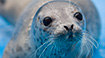
The Alaska SeaLife Center (ASLC) admitted two more harbor seal pups into their Wildlife Response Program within just a day of each other, raising the total number of patients to six. On June 22, a female pup from Port Moller on the Alaska Peninsula was transported to the Center. The seal (pictured in this release) was found near the town by the Alaska Department of Fish and Game. The pup was monitored for a few days, but since it was so close to town, more people began investigating it. After receiving National Oceanic and Atmospheric Administration (NOAA) approval the pup was picked up. Lake Clark Air graciously donated a flight for the seal after already donating a flight for a pup the previous week. Upon the initial admit exam, the main concerns of the veterinary team include low body weight, dehydration, and a puncture wound on her flipper, likely from some type of predator. The team is currently providing initial stabilizing treatments and examining the patient further to understand the severity of the animal’s condition. On June 23, another harbor seal pup was spotted by NOAA officials intermittently showing up on a beach in Juneau. It appeared to be very underweight with no other seals in the area. The animal just arrived to the Center and the veterinary team is still doing preliminary examinations. Updates will be provided after further treatment. The harbor seal pups that have already been admitted in the Center’s Wildlife Response Program are all in various stages of recovery. The male pup found in Seward on May 27 presented with neurological issues and vision impairment likely from a difficult birth. The team is impressed with how far he has progressed, but he continues to display neurological challenges that will likely never resolve. For this reason, the team believes he may not be releasable since these challenges will put him at a significant disadvantage in the wild. The male pup found in Port Moller on June 15 is still in critical care. He arrived severely underweight and consequently is still very weak from malnourishment. While he is not strong enough to swim on his own, the team is cautiously optimistic that he will gain the weight and strength he needs. The two other seals, one from the Little Susitna River and one from Anchor Point, are progressing more quickly. They are now in outdoor holding areas with their own pools and graduating from re-hydrating liquids to fish formula and even some whole fish. The Alaska SeaLife Center’s Wildlife Response Program can provide care for animals like these seals because of donations from corporate sponsors and individual donors. People are encouraged to contribute to the care of these seal patients here: www.alaskasealife.org/donate. The Center acknowledges the ongoing generous support of companies like ConocoPhillips, Marathon Petroleum Corporation, SeaWorld Busch Gardens Conservation Fund, PetZoo, Borman Family Foundation, GCI, Partners4Wildlife, Sea Otter Foundation & Trust, and Grizzly Pet Products. About ASLC Opened in 1998, the Alaska SeaLife Center operates as a 501(c)(3), non-profit research institution and public aquarium in Seward, Alaska. The Center generates and shares scientific knowledge to promote understanding and stewardship of Alaska’s marine ecosystems. The ASLC is an accredited member of the Association of Zoos and Aquariums. To learn more, visit www.alaskasealife.org.
5
News Item
The Alaska SeaLife Center (ASLC) admitted a two-day-old sea otter pup to the Wildlife Response Program on August 8. The female pup was found stranded on a remote beach in Seldovia by a family camping nearby. “When we enco untered this tiny creature who looked so helpless, we felt that we had to do something. We remembered hearing that the Alaska SeaLife Center helps to rescue animals in need, so we reached out. Luckily we had cell service where we were camping,” explains the pup’s rescuers, Neil Waggoner and Marisa Jaso. An adult sea otter was spotted in the area, but this animal did not approach the pup. After observing the pup for a day, the family sprung into action. After receiving U.S. Fish and Wildlife Service permission, the team at ASLC reached out to stranding partner, Michael Opheium of the Seldovia Village Tribe, for assistance. He cared for the otter overnight until she could be transported via water taxi to Homer the following day. The Homer Veterinary Clinic was called upon to administer fluids before her long car ride to Seward. This sea otter pup, weighing just under three pounds, arrived weak but fairly stable. The team was concerned about her initially because generally sea otter pups are very vocal, but this pup arrived more lethargic and silent. “Otter pups are very hands-on animals to begin with so seeing this young pup come out of the kennel, barely reacting to staff, was concerning. After her exam it was crucial to get some calories on board and thankfully she latched onto the bottle right away. She has been eating well since then, so I am cautiously optimistic,” states Hanna Sundstrom, Veterinary Assistant Specialist. After a few days of care, the pup has brightened, but the veterinary team is continuing to monitor her closely. While eight harbor seal pups are currently being cared for at the Center, this is the first sea otter pup admitted to the Wildlife Response Program in 2021. Sea otter pups require round-the-clock care so staffing will change drastically in the rehabilitation department in order to feed and groom her every two hours. The Alaska SeaLife Center’s Wildlife Response Program can provide care for animals like this sea otter pup because of donations from corporate sponsors and individual donors. People are encouraged to contribute to the care of this patient here: www.alaskasealife.org/donate. The Center acknowledges the ongoing generous support of the Wildlife Response Program from companies like ConocoPhillips, Marathon Petroleum Corporation, PetZoo, Borman Family Foundation, GCI, and Sea Otter Foundation & Trust. About ASLC Opened in 1998, the Alaska SeaLife Center operates as a 501(c)(3), non-profit research institution and public aquarium in Seward, Alaska. The Center generates and shares scientific knowledge to promote understanding and stewardship of Alaska’s marine ecosystems. The ASLC is an accredited member of the Association of Zoos and Aquariums. To learn more, visit www.alaskasealife.org.
5
News Item
The Alaska SeaLife Center’s (ASLC) Wildlife Response Program now has three harbor seal pups under its care after the admit of two new patients — one female from Kachemak Bay on May 20, and another female from the Copper River Delta on May 27. The first pup was spotted by kayakers near Bradley Lake power plant, and images identified it as a premature birth due to its white lanugo coat (typically shed in utero). Unfortunately, the pup’s location along mud flats would make access difficult for most boats — a situation compounded by a high wind advisory that day. After many hours on the phone with Homer water taxis and National Oceanic and Atmospheric Administration (NOAA) law enforcement, rescue attempts had to be called off. Two days later, the situation took a fortunate turn when a second party called with similar reports of a lanugo pup in the same area. Pictures sent matched those from the original call, leading staff to conclude it was likely the same seal. Because the party had a small skiff already beached in the area, they agreed to retrieve the seal and transport it from Kachemak Bay to Homer, where it was handed off to ASLC staff and transported back to Seward. This newest patient is the third lanugo pup to be admitted this season (the first of which died soon after admit due to challenges related to its premature birth, and the second of which remains under the care of wildlife response staff). The second abandoned pup report came from a Cordova State Wildlife Trooper on behalf of a fleet of commercial fishermen. The fisherman reported that the seal had been seen without its mother for multiple days, and was beginning to appear exhausted. With permission from NOAA, a wildlife trooper landed a plane on a nearby beach and took possession of the seal to be transported to the ASLC. The pup stayed the night in Cordova, receiving supportive care from local medical personnel, before catching a flight to Anchorage the following day. The pup was then picked up by NOAA officials and handed off to ASLC wildlife response staff. During their initial admit exams, both pups were found to be underweight and dehydrated, with the premature pup suffering additionally from malnourishment and several surface wounds. Because premature harbor seal pups have only about a 50% survival rate when admitted to a wildlife response program, delicate care will be necessary. The team is currently providing initial stabilizing treatments to both patients and keeping a close watch to ensure the best possible chance of survival. Updates will be shared on the ASLC’s Facebook and Instagram pages as they become available. Call first! Before approaching an injured or stranded marine animal in Alaska, call the 24-hour Stranded Marine Animal Hotline at 1-888-774-SEAL(7325). The Alaska SeaLife Center’s Wildlife Response Program can only provide care for stranded and injured marine animals with help from corporate sponsors and individual donors. The Center acknowledges the ongoing generous support of the Wildlife Response Program from supporters like ConocoPhillips Alaska, Marathon Petroleum Corporation, PetZoo, Partners 4 Wildlife, Matson, GCI, and a number of individual donors, funds, and foundations such as Stanley J Williams Fund and the Theresa Bannister Legacy Fund. Those interested in contributing to the care of these patients can visit the ASLC’s website: www.alaskasealife.org/donate.
5
News Item
The Alaska SeaLife Center (ASLC) Wildlife Response Program now has six harbor seal pups under its care after the admission of two new patients — a male from Naknek admitted on June 17, and a female from Wrangell admitted on June 22. The first pup was spotted by locals at a site in Naknek and reported to the U.S. Fish and Wildlife Service (USFWS) National Wildlife Refuge in King Salmon, AK, who contacted ASLC. Photos showed the pup was in poor condition, prompting the National Oceanic and Atmospheric Administration (NOAA) to authorize pickup. However, rescue efforts were complicated when the pup returned to the water and became entangled in a net before responders arrived. Fortunately, locals were able to free the pup, and it was transferred to a USFWS biologist and driven to a local airport for a flight to Anchorage. Here, staff from NOAA were able to coordinate the final leg of its journey to the ASLC for care. The second pup was spotted in Wrangell, AK, hauled out on a rocky beach where seals are not typically seen. This raised concerns for two local beach walkers who reached out to NOAA. The seal’s skinny condition suggested prolonged separation from its mother, leading NOAA to approve rescue efforts. When a flight that night could not be coordinated, the observers mobilized help from fellow rescue members and were able to give it medical treatments overnight. Transportation to Anchorage was arranged the following day thanks to Alaska Airlines cargo staff in Wrangell. The seal arrived safely and was transported to the ASLC. In addition to low weight, dehydration, and malnourishment, additional complications required quick action from veterinary staff. For the Naknek pup, a dangerously high body temperature was the most immediate concern. Meanwhile, the Wrangell pup arrived with persistent tremors due to a lack of nourishment. The team is currently providing initial stabilizing treatments to both patients and keeping a close watch to ensure the best possible chance of survival. Updates will be shared on the ASLC’s Facebook and Instagram pages as they become available. The ASLC Wildlife Response Program can only succeed with help from corporate sponsors and individual donors. The Center acknowledges ongoing support from ConocoPhillips Alaska, Marathon Petroleum Corporation, PetZoo, Partners 4 Wildlife, Matson, GCI, and a number of individual donors, funds, and foundations such as the Stanley J Williams Fund and the Theresa Bannister Legacy Fund. Those interested in contributing to the care of these patients can visit the ASLC’s website: www.alaskasealife.org/donate. Call first! Before approaching an injured or stranded marine animal in Alaska, call the 24-hour Stranded Marine Animal Hotline at 1-888-774-SEAL(7325).
5
Calendar Event
Make your way around Seward and visit local businesses hosting featured artists during the Seward First Friday Art Walk! Visit the ASLC lobby from 6 - 8 PM on June 2, 2023 to see and shop with this month's featured artist: Kwangsook Park Schaefermeyer https://www.kpsfineart.com https://www.facebook.com/kpsfineart Seward First Friday Art Walks are hosted by the Seward Chamber of Commerce and Seward Art Council.
5
Calendar Event
Tickets on sale now! Alaska SeaLife Center Soirée The Alaska SeaLife Center’s annual Anchorage fundraising event returns to the Anchorage Museum to benefit marine research, education, and conservation. Guests will savor a bountiful selection of chef-inspired hors d’oeuvres, connect with others who share a deep passion for Alaska’s oceans, and enjoy the excitement of silent and live auctions featuring unique Alaskan experiences and treasures. Complimentary wine provided by Michael David Winery. If you are interested in becoming a sponsor for this event, please email development@alaskasealife.org. Purchase tickets NOW!
5
Calendar Event
Enjoy delicious soup served by Seward students in handcrafted ceramic bowls glazed by students and local artists.Take home a one-of-a-kind bowl and help send every 5th grader to KMTA Outdoor School Sleepover. A Zero-Waste Event honoring sustainability and our local marine habitats (Recommended donation for purchase of bowl with soup - $25 Recommended donation of soup with your own container - $5-15). Join us for a special community watch party at the Alaska SeaLife Center as we livestream Cruisin’ Deep Time with Ray Troll & Kirk Johnson: The Travels of a Scientist and an Artist in search of Paleo America from Anchorage's Alaska Center for the Performing Arts – part of the University of Alaska Anchorage’s CAS Community Lecture Series. The stream will take place in the Bear Mountain Conference Room and will be displayed on a large screen for group viewing. *Seating is limited for the Livestream portion of this event. Click here to register and secure your spot.
5
Pages
animatedcollapse.addDiv('A', 'fade=1') animatedcollapse.ontoggle=function($, divobj, state){ //fires each time a DIV is expanded/contracted //$: Access to jQuery //divobj: DOM reference to DIV being expanded/ collapsed. Use "divobj.id" to get its ID //state: "block" or "none", depending on state } animatedcollapse.init() With their hypotheses developed and their study subjects chosen, Dr. Mellish and the team began the detailed process of planning their fieldwork. The team's field season in Antarctica needed to coincide with the seal's reproductive season, which runs from late October to December. It would be important to arrive by early October to maximize their time before the late spring ice melt made it unsafe to work on the sea ice. The team chose research sites on Erebus Bay, a pupping and breeding area just a short snowmobile ride from the U.S. base at McMurdo Station. From the Erebus Bay location, they'd select forty healthy seals to participate in the study. It was decided that only healthy animals should be studied and that, of the adults studied, all should be females. This would help prevent outside variables from complicating the data. Navigate through the pictures below to learn about the tools the researchers used to select healthy animals for their project: The team was able to work directly with each seal to complete its initial health assessment. However, to collect research data from the healthy animals, the researchers would need to monitor the seals as they went about their daily lives. Since a lot of a seal's time is spent beneath the sea ice - where it's difficult for researchers to observe them directly - this data would have to be collected remotely. To do this, the team outfitted each seal with specially engineered instruments, called data loggers, that would record and store the team's data. VIDEO: STUDYING SEALS USING DATA LOGGERS Dr. Markus Horning explains how the research team used data loggers to collect data for the Weddell seal project. (2:19) Video Transcript My name is Markus Horning, and I am an Associate Professor of Wildlife with Oregon State University’s Marine Mammal Institute. I’ve worked with Weddell seals in the Antarctic ever since my first trip to the Antarctic in 1981. My expertise that I bring to the table is related to my ability to bridge engineering and biology. I’m a biologist by training, I have a Ph.D. in biology, but I’ve always dabbled in electronics. We really can accomplish much more in our attempts to study and understand these animals if we use what we call “telemetry devices.” Basically, we use fancy electronics that can go with the animal where they go and where we can’t. Often times where I come in is figuring out, ‘Okay, this is the question, this is the data we need in order to be able to answer this question we have about the biology of this animal.’ Then I ask, ‘How can we get that data?’ and I find specialty sensors that give us exactly that data that we need. In this project we actually have several separate devices that we glue to the back of an animal. These are multi-channel devices - they have many different sensors. The information that we’re really most interested in is the information we get from the heat flux sensors. We glue these onto the surface of the skin of the seal and they measure exactly how much heat the animal is transferring to the cold water or cold air. To be able to understand this data and the patterns we see in terms of heat dissipation, we also need to record the behavior of the animal. That’s why we’re recording dive depth, swim speed, because that really determines the physiological state of an animal. If everything works well we find our animal after about five days, I’d say, and everything is still attached. We immobilize the animal a second time and we just peel everything off, or we shave a little bit of fur off. We get everything back home and we download the data. We want to recover the equipment so we can use it again on another animal, but also because the devices that we use actually record the most important information in memory. So, unless we recover the device we don’t have access to the data that we really want. WHO IS STUDYING SEALS? HYPOTHESIS (n) - a proposed explanation to a question that must be tested PUPPING SEASON (n) - the time during the year when seal pups are born OUTSIDE VARIABLE (n) - something not being tested in a study that could impact the data DATA (n) - values for something measured MONITOR (v) - to keep surveillance over something REMOTELY (adv) - from a distance, without direct contact DATA LOGGER (n) - a device that measures and stores data on the activity or condition of an animal.
4
Pages
animatedcollapse.addDiv('A', 'fade=1') animatedcollapse.ontoggle=function($, divobj, state){ //fires each time a DIV is expanded/contracted //$: Access to jQuery //divobj: DOM reference to DIV being expanded/ collapsed. Use "divobj.id" to get its ID //state: "block" or "none", depending on state } animatedcollapse.init() animatedcollapse.addDiv('B', 'fade=1') animatedcollapse.ontoggle=function($, divobj, state){ //fires each time a DIV is expanded/contracted //$: Access to jQuery //divobj: DOM reference to DIV being expanded/ collapsed. Use "divobj.id" to get its ID //state: "block" or "none", depending on state } animatedcollapse.init() Many of the species of birds, mammals, and fish that live in Prince William Sound hunt for food far from shore. Gulf Watch Alaska scientists are working hard to understand the productivity of these offshore areas. But it’s more than just learning how much food is available. Understanding what might cause the amount of food to change from year to year can help scientists predict impacts on the animals that depend upon offshore resources of the Gulf of Alaska. Productivity is influenced by a lot of factors: temperature (both air & water), salinity, tides, currents, rain, wind, the sun, water turbidity and, especially, the amount of plankton. These factors are also called environmental drivers and drivers are key indicators of the overall status of the Gulf of Alaska. Five Gulf Watch Alaska projects are collecting long-term physical and biological data. Several of the Environmental Drivers projects even pre-date EVOS. Some already have up to 30 years of data! Scientists are using this data to answer the following questions: • How exactly does the Gulf of Alaska ecosystem function? • What are the climate trends? • What is the influence of environmental drivers on the recovery of species impacted by the oil spill? Click on the images below to learn about the tools that researchers use to sample environmental drivers. Monitoring marine plankton is central to the Environmental Drivers research. Phytoplankton are the primary producers of the sea. Just like larger plants, they convert sunlight and carbon dioxide into energy. Zooplankton are the primary consumers of the sea. They feed on the phytoplankton. Zooplankton are a critical food source for a lot of marine animals. Watch the video below to learn more about plankton! VIDEO: Introduction to Plankton "Plankton" (on Vimeo). Plankton are a multitude of living organisms adrift in the currents. Our food, our fuel, and the air we breathe originate in plankton. From the Plankton Chronicles series by Christian Sardet (CNRS), Sharif Mirshak and Noé Sardet (Parafilms). (2:02) Video Transcript “Plankton” comes from the Greek word planktos, which means “wandering.” Any living creature carried along by ocean currents is classified as plankton. It ranges in size from the tiniest virus to siphonophores (the longest animals in the world) and also includes microscopic algae, krill or fish larvae. Some plankton, like these salps, drift all their lives; others, like mollusks and fish, are only planktonic during their embryonic or larval stage. When they reach adulthood, they settle or swim freely. Planktonic organisms play important roles in human life. Many microscopic species get their energy from photosynthesis. They absorb carbon dioxide and produce oxygen; thus, they constantly renew the air we breathe. Plankton has also been a great provider of fossil energy. When it dies it sinks to the sea bed. This layer of sediment has fossilized for more than a billion years, producing our precious oil. Finally, plankton nourishes us. It’s the basis of the food chain, in which the large eat the small. Without plankton there would be no fish. Scientists are using Environmental Drivers’ data to find answers to vital questions such as: • How do springtime conditions in the Gulf of Alaska influence the phytoplankton bloom? • How does this bloom of phytoplankton affect the numbers and location of zooplankton from year to year? The Continuous Plankton Recorder (CPR) is a tool made to sample plankton from ships sailing across the Gulf of Alaska. A CPR is designed to be towed from merchant ships as they follow their scheduled routes. These ships are not research vessels, but they use CPR instruments during their voyages to help researchers gather data. The cargo vessel Horizon Kodiak is one ship that tows a CPR northbound towards Cook Inlet about once a year. View the video below to discover more about the benefits of using CPR on vessels like the Horizon Kodiak. VIDEO: Continuous Plankton Recorder Sonia Batten describes the use of Continuous Plankton Recorders in the Gulf of Alaska. (1:53) Video Transcript Plankton are considered one of the environmental drivers, so they’re the link between what happens in the ocean – in terms of water chemistry, temperature, the water conditions – and the fish, because plankton respond to their environment really quickly, and fish feed on plankton and larger organisms feed on fish, so the plankton are the link between the oceanography and the fish. We know that plankton respond really quickly because they have life cycles that are really short, sometimes even days, but all of them less than a year or at least a year is the longest life cycle. So if changes happen in their environment they respond quite quickly, and you can see that in changes in their numbers, and the types of plankton and where they’re at. So by monitoring them it gives you a really rapid response to a change in the environment. In the early part of the twentieth century in the UK, it was kind of hard to know where to send the fishing boats, you know, where they were going to find the herring, and Alister Hardy invented this instrument that could be towed behind ships, measuring the plankton, and it’s called the continuous plankton recorder. Continuous because, rather than taking a sample as a snapshot across, it continuously samples the plankton as it goes. His idea was that if you could understand the food of the herring, the food of the fish, maybe you could predict where they were going to be and then send the fishing boats there. You would build a map, a bit like a weather map, of where plankton were and when they were, and then you could send the fishers. So that was his idea, back in the early part of the early part of the twentieth century. And it took a few years to get routine, but from the 1930s onwards they were using this instrument to do that – to build up a picture of plankton meteorology, basically. Who is watching the Gulf? Biological (adj): pertaining to the science of life or living matter CTD (n): acronym for Conductivity, Temperature, Depth. An oceanography instrument that records the salinity (conductivity) & temperature at a prescribed depth of seawater Consumer (n): a living thing that eats other living things to survive. It cannot make its own food. Buoy (n): a fixed-in-place, floating device that can serve many purposes in the sea. The GAK1 Data Buoy is fitted with many different oceanographic instruments. Physical (adj): pertaining to the properties of matter and energy other than those distinctly related to living matter Phytoplankton (n): freely floating, often minute plants that drift with water currents Plankton (n): organisms that swim weakly, or not at all, and drift with water currents Primary producer (n): an organism that makes its own food from light energy or chemical energy Salinity (n): the saltiness of a body of water Zooplankton (n): freely floating animals that drift with water currents
4
Pages
animatedcollapse.addDiv('1', 'fade=1') animatedcollapse.ontoggle=function($, divobj, state){ //fires each time a DIV is expanded/contracted //$: Access to jQuery //divobj: DOM reference to DIV being expanded/ collapsed. Use "divobj.id" to get its ID //state: "block" or "none", depending on state } animatedcollapse.init() animatedcollapse.addDiv('2', 'fade=1') animatedcollapse.ontoggle=function($, divobj, state){ //fires each time a DIV is expanded/contracted //$: Access to jQuery //divobj: DOM reference to DIV being expanded/ collapsed. Use "divobj.id" to get its ID //state: "block" or "none", depending on state } animatedcollapse.init() Who is watching walrus? REMOTE (adj) - far from cities. In Alaska, this almost always means a place that is not on the road system and can only be reached by boat, plane, dogsled, snowmachine, or helicopter. DURATION (n) - the length of time CENSUS (n) - a count of individuals METHOD (n) - the way information is collected STILL CAMERA (n) - a camera that takes photos (not video) COST EFFECTIVE (adj) - worth the price MARITIME (adj) - related to marine (ocean) environments or conditions The Plan Figuring out how to observe walrus at land haulouts was a challenge for the research team. Their system needed to be: Low cost Low maintenance (because sites are in remote locations) Able to measure duration (from the first walrus to arrive to the last walrus to leave) Able to visually observe the presence of walrus and allow for a census count Able to observe the cause(s) of possible disturbances Minimally disruptive to the animals While brainstorming, many methods were considered. The team thought about using airplanes to fly over haulout sites. They considered asking locals to report observations or stationing their own research staff near haulouts throughout the entire summer season. Finally, the team talked about placing remote video or still cameras at known haulout locations. The pros and cons for each method were evaluated. Flying over sites would be expensive and time consuming because the range of Pacific walruses covers thousands of miles. The sound of low flying planes might also disturb the animals. Local observations are impossible in many areas because haulouts are so remote. And stationing field researchers at known haulouts all season could prove very expensive. In the end, the team concluded that setting up remote cameras was the most cost-effective choice. They also decided that using still cameras set on timers would let them get the most data about how walrus were using land haulouts. Watch the two videos below to learn about the equipment Dr. Polasek's team used and some of the challenges they had to deal with while designing a plan to observe walrus using remote cameras. VIDEO: Equipment But won’t it get wet? Terril Efird talks about the equipment the team chose and how they keep it dry and functioning in the maritime climate. (1 minute) Video Transcript What equipment are you using to study walruses in remote areas? This is an example of one of the camera setups that we’ll have out in the field. It’s a Nikon digital camera, eight megapixel camera, and that’s wired into a 12-volt battery to keep it charged. A lot of these cameras will be going out for months at a time, so keeping the battery charged is really important, and to do that we’ll have a solar panel out there that will charge the larger battery. We’ll put the camera inside of this weatherproof and waterproof housing, and that’ll keep everything nice and dry so the electronics don’t fry while we’re out there. And we’ll have two of these at each of the sites, one looking at the haulout and then another one just looking offshore to see if we can capture any boats or predators of walrus that might be coming by and see how the walrus respond to that. VIDEO: Challenges Terril Efird describes some of the challenges involved in monitoring walrus. (35 seconds) Video Transcript What challenges did you face while planning for this project? One of the most challenges parts was picking our sites. We want to make sure that we have sites where we can go put these cameras up and we know that the walrus are going to come and be at those sites during the season. And not only have the walrus there but also have cliffs or bluffs that we can set these cameras up on top of so we can get a good vantage point, so we can get good estimates of how many walrus are hauling out and also what the immediate water access is like. With these challenges in mind, the scientists put a lot of thought into selecting the best locations to set up their cameras. Continue on to the "Action!" page to see which sites along Alaska's coastline they chose.
4
Pages
animatedcollapse.addDiv('1', 'fade=1') animatedcollapse.ontoggle=function($, divobj, state){ //fires each time a DIV is expanded/contracted //$: Access to jQuery //divobj: DOM reference to DIV being expanded/ collapsed. Use "divobj.id" to get its ID //state: "block" or "none", depending on state } animatedcollapse.init() animatedcollapse.addDiv('2', 'fade=1') animatedcollapse.ontoggle=function($, divobj, state){ //fires each time a DIV is expanded/contracted //$: Access to jQuery //divobj: DOM reference to DIV being expanded/ collapsed. Use "divobj.id" to get its ID //state: "block" or "none", depending on state } animatedcollapse.init() Who is watching walrus? DEPLOY (v)- to set something up so that it is ready for action BLIND SPOT (n) - an area that cannot be seen because something is blocking your view DATA SET (n)- all of the information collected UPGRADE (v) - to improve the quality of something; to buy the next version of a product Results Cameras at the five sites captured data during the season of May-September 2011. For each of the sites, the timeline below shows (1) when the cameras were deployed, (2) when the first walrus was spotted at that location, (3) the date when the largest number of animals were counted on that site, and (4) the date of the last image taken by the cameras. The team collected census data by examining the photos at the end of the season and counting the walruses. Below are images captured from the haulout site on Cape Seniavin on August 4th, 2011. On this day, over 1,400 male walruses were counted hauled out in this single spot. Click on the thumbnail images below to see the larger versions: Researchers decided to add more cameras at this site in 2012 to avoid blind spots like the one created by the rock in the pictures above. On Hagemeister Island, cameras recorded the disturbance event seen below. Click on the thumbnail images below to see the larger versions: In the fourth photo you can see that these walrus quickly returned to the beach. The scientists couldn't see what caused the disturbance, but they think it was likely a bear or other land-based predator nearby. With clear images like the ones above, Dr. Polasek and her team agreed that camera monitoring at these remote sites is both possible and useful for understanding Pacific walrus behavior. Unfortunately, the type of camera the Alaska SeaLife Center team installed for the 2011 season tended to fail often. Many of the cameras stopped taking pictures before the last walrus left the site at the end of the season. So the 2011 data set isn't as complete as the team had hoped. They knew camera monitoring worked, but they needed to find a better type of camera. In 2011, the scientists were able to begin establishing their baseline. In 2012, they purchased new, more reliable cameras and added more haulout sites to their study. They're continuing to work on their baseline using male walrus in Bristol Bay, but with the help of the residents of Point Lay they've also set up their first cameras along the Chukchi Sea. Check the updates section for images captured in the second season!
4
Pages
animatedcollapse.addDiv('1', 'fade=1') animatedcollapse.ontoggle=function($, divobj, state){ //fires each time a DIV is expanded/contracted //$: Access to jQuery //divobj: DOM reference to DIV being expanded/ collapsed. Use "divobj.id" to get its ID //state: "block" or "none", depending on state } animatedcollapse.init() animatedcollapse.addDiv('2', 'fade=1') animatedcollapse.ontoggle=function($, divobj, state){ //fires each time a DIV is expanded/contracted //$: Access to jQuery //divobj: DOM reference to DIV being expanded/ collapsed. Use "divobj.id" to get its ID //state: "block" or "none", depending on state } animatedcollapse.init() Many factors needed to be considered as Dr. Gradinger and his team planned their research. In addition to having the necessary sampling equipment, it was important that they time the research trips so they would be collecting samples during the spring sea ice melt season. If they traveled too early, their measurements might underestimate the importance of ice algae. If they traveled too late, the ice would all have melted and there would be no ice algae for them to measure. The team chose research sites in the eastern Bering Sea because it is a very productive region of water. Picking the research area was only the beginning. Next, they had to select the right tools to help them answer their research questions. Navigate through the images below to learn how each tool helped the team answer their research questions: With many samples to collect at every study site, a researcher's job is never dull. Can you imagine what daily life would be like on a 400-foot long ship floating in the middle of the Bering Sea? WHO IS STUDYING SEA ICE? MELT SEASON (n)- the time of the year when melting occurs PRODUCTIVE (adj)- being rich in resources; in this case, with valuable resources like fish PROPEL (v)- to push or move in a particular direction WATER COLUMN (n)- the area of water between the surface and the sea floor ALGAL GROWTH (n)- the process of algae growing ROV (n)- a remotely-operated vehicle
4
Pages
animatedcollapse.addDiv('A', 'fade=1') animatedcollapse.ontoggle=function($, divobj, state){ //fires each time a DIV is expanded/contracted //$: Access to jQuery //divobj: DOM reference to DIV being expanded/ collapsed. Use "divobj.id" to get its ID //state: "block" or "none", depending on state } animatedcollapse.init() animatedcollapse.addDiv('B', 'fade=1') animatedcollapse.ontoggle=function($, divobj, state){ //fires each time a DIV is expanded/contracted //$: Access to jQuery //divobj: DOM reference to DIV being expanded/ collapsed. Use "divobj.id" to get its ID //state: "block" or "none", depending on state } animatedcollapse.init() All research starts with one or more questions. Dr. Tuula Hollmen and her team are tackling a broad question: What do Steller’s eiders need to breed successfully? The team isn't going to find the answer just by looking in a textbook. Steller’s eiders are unique. Little is known about their needs and they don’t follow the same breeding behaviors of other well-studied waterfowl like domestic ducks. So, why is Dr. Hollmen interested in this particular question when it comes to eiders? VIDEO: STELLER'S EIDERS RESEARCH QUESTIONS Dr. Tuula Hollmen discusses the factors that led to her research questions and how she plans to investigate those questions. (1:46) Video Transcript The eider is a long-lived species that has a high adult survival but very variable and potentially low annual productivity or reproductive success. And it works because the species lives a long time, so each individual can have a really long reproductive career, and they don’t have to be successful every year, because they have (in eider’s case) they potentially have at least 15 years to breed. Reproductive success is really one of the key questions for the recovery. If that continues to be low or doesn’t reach some certain threshold, recovery will either not happen or take a really long time. But if they can increase productivity then we might see recovery. I would like to ask the question: what does an eider need to breed successfully? We have a suite of sub questions: What makes an eider pairing successful? What kinds of nests are successful? How do you set the incubation conditions for successful hatching? So those are sub-questions. So when we set up to answer the question in our program here, we think about all these factors that the eiders are faced with in the wild and we transfer that to our own virtual reality that we are creating here. The habitat is not the natural habitat, but we are learning from the wild birds as to what are the key features of their habitat that they need to go through all the different steps of the reproductive cycle. So we would try to mimic the available nest sites, the privacy, the ponds, the water quality, all those kinds of things to the best we can and match them to the natural environment. Dr. Hollmen has to think about how to convert the complex, wild system that the eiders come from into a virtual habitat at the Alaska SeaLife Center so that her team can learn from the captive reservoir population. With little existing research, a small wild population in Barrow, sporadic nesting on the Y-K Delta, and hundreds of variables, how will the scientists figure out what a pair of Steller’s eider needs to breed successfully? Here’s the benefit of science: they can try out different materials and techniques (experimentation!) and use careful observation to figure out a strategy that works for the captive eiders. The research question cannot be answered in one year. Every breeding season tests if the scientists’ current arrangement helps the birds breed successfully. Scientific inquiry is a process, and the eider team knows it well as they continue to learn, question, and adapt. It's what they've been doing for over a decade! CLICK BELOW TO LEARN ABOUT SEADUCK SCIENTISTS! ADAPT (n) - to change behaviors or physical traits to survive in a specific environment. BROOD (n) - the offspring of an animal, especially of a bird. BROOD (v) - to sit on eggs to hatch them. EXPERIMENT (v) - to do a scientific test in which you perform a series of actions and carefully observe their effects. INQUIRY (n) - an act of asking or searching for information. THRESHOLD (n) - a level, point, or value above which something is true or will take place. VARIABLE (n) - an element, feature, or factor that can vary or change. VIRTUAL (adj) - very close to being something without actually being it.
4
Pages
animatedcollapse.addDiv('A', 'fade=1') animatedcollapse.ontoggle=function($, divobj, state){ //fires each time a DIV is expanded/contracted //$: Access to jQuery //divobj: DOM reference to DIV being expanded/ collapsed. Use "divobj.id" to get its ID //state: "block" or "none", depending on state } animatedcollapse.init() animatedcollapse.addDiv('B', 'fade=1') animatedcollapse.ontoggle=function($, divobj, state){ //fires each time a DIV is expanded/contracted //$: Access to jQuery //divobj: DOM reference to DIV being expanded/ collapsed. Use "divobj.id" to get its ID //state: "block" or "none", depending on state } animatedcollapse.init() Next year the eider team will still be hard at work. Each year presents a new opportunity to learn about Steller’s eiders and to grow from past successes and failures. Researchers are expecting another breeding season with hundreds of eggs. They are hoping that they have determined a good setup for the eiders at the Alaska SeaLife Center so more hens will be able to go through the complete incubation process, as Scarlet and Eek did in the summer of 2014. Dr. Tuula Hollmen is hoping to breed “tundra-ready” ducklings that would be able to survive on the tundra, should reintroduction become a reality. If wildlife managers decide that reintroduction is necessary to help these birds recover, the scientists at the Alaska SeaLife Center now have the tools of captive breeding necessary to help make this possible. Reintroduction would present a whole new set of questions for the team. How will they get their rearing techniques to work in the field? In a release facility, they would have to try to repeat what goes on at the Alaska SeaLife Center in the remote setting of the Y-K Delta. Since they would be on the tundra, there would be less manipulation of the habitat, but there wouldn’t be a lab nearby for immediate analysis. Also, Steller’s eiders are migratory birds, so they will travel from the place they are released. How will researchers help released ducklings establish winter and molting grounds? How will they get the eiders to return to the Y-K Delta for the next breeding season? Text goes here! Reintroduction of other bird species has been done successfully, but each species has its own specific needs. As this project continues its trek forward, Steller’s eiders will keep scientists questioning. There is a Facebook page for the Steller’s Eider Y-K Delta Reintroduction Program so you can stay up-to-date by clicking here. Text goes here! CLICK BELOW TO LEARN ABOUT SEADUCK SCIENTISTS! REINTRODUCTION (n) - the relase of members of a species into an area where that species once lived but where there is no current population.
4
Pages
Giving Circle Levels and Benefits The Alaska SeaLife Center relies on a combination of grants, donations, and admission sales to operate at a world-class level. Donors like you support Alaska's marine wildlife by helping to fund research, education, and wildlife response programs. We invite you to join a Giving Circle at a level best suited to you. The SeaLife Circle begins at the $300 donation level and the Steller Circle begins at the $1,000 donation level. SeaLife Circle Level SeaLife Associate SeaLife Advocate Cost $300-$499 $500-$999 Family membership including 2 named adults and named dependent children/grandchildren ages 17 and under* Discounts for guests, tours, and gift shop Recognition on the donor board at the Center Invitation to an annual virtual CEO update Guest Passes 4 8 *Adults and dependent children/grandchildren must be in the same household. Steller Circle Level Steller Partner Steller Guardian Steller Patron Steller Champion Cost $1,000-$2,499 $2,500-$4,999 $5,000-$9,999 $10,000+ Family membership including 2 named adults and named dependent children/grandchildren ages 17 and under* Discounts for guests, tours, café, and gift shop Recognition on the donor board at the Center Invitation to an annual virtual CEO update Guest Passes 8 8 8 8 VIP Tour For 4 For 4 For 8 For 8 Invitation to quarterly VIP virtual programs Keeper for a Day, a 5-hour program for one or two people with minimum age of 16 *Adults and dependent children/grandchildren must be in the same household. Please contact the Development Office at development@alaskasealife.org or call Laura Swihart, Development Associate, 907-224-6337, if you have any questions about joining a Giving Circle.
4
Pages
Spring/Summer 2026 Availability March 5 - September 30: 2:30 pm Daily Duration: Approximately 30-minute tour Maximum of 4 people per tour - Minimum age 10* Go behind the scenes in our aviary to meet our puffins and other resident bird species and participate in a feeding session with these remarkable birds. This tour includes walking and kneeling on uneven surfaces. ***Due to cold and windy conditions, our Puffin Encounter will be slightly modified. Guests will still go behind the scenes and get an up-close look at one of our resident birds. One Group Per Tour Group Size of 1-2 Guests: $289.95 Group Size of 3 Guests: $339.95 Group Size of 4 Guests: $389.95 Members get an additional 20% discount, buy your membership today and use the benefits immediately. (does not include admission) Tickets only valid for date selected. Online tickets must be purchased at least one day in advance. *Guests aged 10-16 must be accompanied by a paying adult
4
Pages
Spring/Summer 2026 Availability March 5 - August 31: 3:00 pm Daily Duration: Approximately 30-minute tour Maximum of 6 people per tour - Open to all ages All brain, no bones! Immerse yourself in a world of suckers and beaks. Go behind the scenes and join a member of our Aquarium Team to participate in an octopus feeding and learn more about these fascinating creatures. One Group Per Tour Group Size of 1-2 Guests: $289.95 Group Size of 3 Guests: $339.95 Group Size of 4 Guests: $389.95 Group Size of 5 Guests: $439.95 Group Size of 6 Guests: $489.95 Members get a 20% discount, buy your membership today and use the benefits immediately. (does not include admission) *Guests under 16 must be accompanied by a paying adult Tickets only valid for date selected. Online tickets must be purchased at least one day in advance.
4
News Item
Seward, Alaska (January 29, 2015) – The Alaska SeaLife Center (ASLC) is proud to announce the 2015 Alaska Ocean Leadership Awards. These awards are given annually to individuals and organizations that have made significant contributions to the awareness and sustainability of the state’s marine resources. The Alaska SeaLife Center appreciates the support provided by the award sponsors and thanks the Awards Committee members: Jason Brune, Dale Hoffman, Dr. Mike Castellini, Dr. Ian Dutton, Lisa Busch, Molly McCammon, Denby Lloyd, and Carlyn Nichols for assistance in selecting the awardees. Two of the awards were presented at the Alaska Marine Science Symposium the week of January 19, 2015 at the Hotel Captain Cook in Anchorage, Alaska. The remaining awards will be presented at the Alaska Marine Gala on February 21, 2015 at the Dena’ina Center in Anchorage, Alaska. Tickets and sponsorship opportunities are still available. For additional information, visit www.alaskasealife.org Following are the 2015 Alaska Ocean Leadership Award winners: Al Burch will receive the prestigious Walter J. and Ermalee Hickel Lifetime Achievement Award. The late Governor Walter J. Hickel and his wife Ermalee endowed this award for 10 years to recognize an individual who has made exceptional contributions to the management of Alaska’s coastal and ocean resources over a period of 20 years or more. Starting as a shrimp dragger in Seward, Al Burch has fished Alaskan waters for more than 55 years and serves on numerous national and international fishing boards. Since 2002, Al has represented the Kodiak Island Borough on the board of the Prince William Sound Regional Citizens’ Advisory Council. Al accepted the council position because he believes it is important that active fishermen have representation. He strives for an equal balance between various interest groups to ensure Alaskan waters are protected but not overly regulated. Al is a founding member of the Alaska Fisheries Development Foundation and served 30 years on the North Pacific Fishery Management Council’s Advisory Panel. He recently retired as the Executive Director of the Alaska Whitefish Trawlers Association, a non-profit group representing approximately 40 bottom-fish vessels out of Kodiak. He was inducted into the United Fishermen of Alaska’s Seafood Hall of Fame in 2009 for his dedication to Alaska’s fisheries and ocean resources. Award to be presented at the Alaska Marine Gala. The Alyeska Vessel of Opportunity Program will receive the Stewardship& Sustainability Award. This award is sponsored by Jason Brune, and honors an industry leader that demonstrates the highest commitment to sustainability of ocean resources. Alyeska Pipeline Service Company employs its Ship Escort/Response Vessel System (SERVS) annually to train and educate crew members of some 450 vessels in Prince William Sound to support spill response in the region. Participants from Valdez, Cordova, Whittier, Homer, Kodiak, and Seward learn necessary skills to join Alyeska in spill response, containment, and recovery. The training results in an entire fleet of an estimated 1,500 professionals now poised to work with SERVS to protect their communities in the unlikely case of an actual incident. The local knowledge and commitment of the Prince William Sound fishing communities is evident in this program’s ongoing success - ensuring that the fisheries and environment are protected and sustained for years to come. Award to be presented at the Alaska Marine Gala. Alisa Aist will receive the Ocean Youth Award, which is sponsored by Dale Hoffman. The award honors an individual, or team, of Alaskan youth ages 12-19 who have displayed a dedication to promoting the understanding and stewardship of Alaska’s oceans. Alisa is a student at Polaris K-12 School in Anchorage. Her dream to become a marine biologist was born in seventh grade during a school field trip to the tide pools in Homer. Since that trip, Alisa has taken every opportunity to expand her scientific knowledge. Alisa has taken extra science classes at school, attended two summer science camps run through the University of Alaska Fairbanks, and created four research projects for the Alaska Science and Engineering Fair, presenting two of these projects at the Intel International Science and Engineering Fair. Alisa has worked alongside her community to do research and has continued to present her work at school, local organizations, and symposiums. Award to be presented at the Alaska Marine Gala. Benjamin Carney received the Marine Science Outreach Award. This award is given to a person, team or organization that has made an outstanding contribution to ocean literacy via formal or informal education, media or other communications. It is co-sponsored by the University of Alaska, School of Fisheries and Ocean Sciences and the Alaska Ocean Observing System. Armed with a B.S. in Wildlife Biology and M.S. in Fisheries, Ben currently teaches chemistry, physical science, and oceanography at Juneau-Douglas High School. His passion centers on the National Ocean Sciences Bowl and coaching his students to victory. Ben has coached a team from Juneau-Douglas High School to first place at the state level since 2007, the longest winning streak in the history of the Alaska Tsunami Bowl. Last year’s winning team, Team Pogonophoraphobia, placed third at the National Finals. Award was presented at the Alaska Marine Science Symposium. Jacqueline Grebmeier and Lee Cooper received the Marine Research Award, sponsored by Drs. Clarence Pautzke and Maureen McCrea. This honor is given to a scientist, team of scientists, or an institution that is acknowledged by peers to have made an original breakthrough contribution to any field of scientific knowledge about Alaska’s oceans. Jacqueline and Lee have shown major leadership in Pacific Arctic marine research over the past several decades. Both conducted their Ph.D. work at the University of Alaska Fairbanks and are now Research Professors at the University of Maryland, Center for Environmental Science. Spending most of their summers at sea in Alaska’s arctic, both have participated in dozens of research cruises, many as chief scientists. Through involvement in high level national committees, strong management skills, and deep knowledge of the Pacific Arctic, they have provided important leadership in large research programs, such as BEST-BSIERP, the Pacific Arctic Marine Regional Synthesis, and the Distributed Biological Observatory. Award was presented at the Alaska Marine Science Symposium. About the ASLC Opened in 1998, the Alaska SeaLife Center operates as a private, non-profit research institution and public aquarium, with wildlife response and education programs. It generates and shares scientific knowledge to promote understanding and stewardship of Alaska’s marine ecosystems. The ASLC is an accredited member of the Association of Zoos and Aquariums, and the Alliance of Marine Mammal Parks and Aquariums. To learn more, visit www.alaskasealife.org.
4
News Item
Meet Mara's new pup! We are so excited to announce ASLC's newest family member! Mara recently had her baby on June 26th and weighing in at 40lbs. Both mom and pup are healthy and strong. Stay tuned for the gender reveal!
4
News Item
Female Elephant Seal is Alaska SeaLife Center’s First Marine Mammal Patient of 2022 Elephant seals are a rare species for the Center’s Wildlife Response Program The Alaska SeaLife Center (ASLC) admitted the first marine mammal patient of the year to its Wildlife Response Program, a 1-year-old female elephant seal from Seward. Within a week, the care of this animal concluded with a successful release of the seal back to the ocean. Since opening in 1998, the ASLC has responded to only thirteen elephant seals. It is normal for elephant seals to spend the summer in the Gulf of Alaska and the Aleutians, but it is rare for them to travel into Resurrection Bay and haul out on the beach. The ASLC Wildlife Response Team first started monitoring this animal after a call to the ASLC Stranded Marine Animal Hotline (1-888-774-SEAL). The caller reported an elephant seal hauled out on the main boat ramp in the Seward Boat Harbor on March 19, 2022. The animal appeared bloated and lethargic, but was seen retreating to the water later that day during high tide. ASLC received two more reports of the elephant seal hauling out in other locations around the boat harbor. When the animal was observed for the third time, the Wildlife Response Team determined that intervention was necessary. After receiving approval from the National Oceanic and Atmospheric Administration, the animal was transported to the Center with the help of the Coast Guard on March 21, 2022. Upon the initial admit exam, the main concerns of the veterinary team were the animal’s bloated appearance and unusual lethargy. It was also clear that the seal was going through its annual catastrophic molt. “Elephant seals will haul out on Alaska beaches during their annual catastrophic molt. Because of this molt, they can look and sound sickly compared to your typical harbor seal. Elephant seals will have superficial wounds over their body because they don’t just lose their hair, they shed the underlying layer of skin when they molt,” ASLC Wildlife Response Curator, Jane Belovarac notes. “When this particular elephant seal was first observed, our main concern was the bloating and labored breathing. We assumed that the superficial wounds were due to a molt, and our intake exam confirmed those suspicions." The bloating subsided quickly, and the blood and fecal analysis came back with no additional concerning results. The Veterinary and Wildlife Response Teams determined that the best course of action for the large seal would be to return her to the ocean as soon as possible, in hopes that she would not haul out in the busy Seward boat harbor again. On March 24, 2022, the ASLC Wildlife Response Team successfully released the elephant seal at Lowell Point, about two miles south of downtown Seward. Local volunteers assisted the team in lifting and walking the 320-pound seal, who was safely enclosed in a specially-designed large metal kennel, to the beach. She easily went into the water and headed toward the open ocean. Since then, we have not had any more sightings. Call 1-888-774-SEAL(7325) if you see any marine mammal in distress. Also, If you happen to see an elephant seal on a beach anywhere in Alaska, especially if it has a flipper tag, please call the ASLC hotline. It is good information the ASLC team can relay to the scientists who study them. The Alaska SeaLife Center’s Wildlife Response Program can provide care for animals like this seal because of donations from corporate sponsors and individual donors. People are encouraged to contribute to the care of this patient here: www.alaskasealife.org/donate. The Center acknowledges the ongoing generous support of the Wildlife Response Program from companies like ConocoPhillips, Marathon Petroleum Corporation, PetZoo, GCI, and a number of individual donors. About Elephant Seals The northern elephant seal is the largest of the “true” seals in the Northern Hemisphere, which are categorized by lacking any external ear features. Adult males use their large inflatable noses during the winter breeding season to resonate sound when vocally threatening each other. They have one of the longest migrations of any mammal, with some recorded traveling over 13,000 miles roundtrip. Although northern elephant seals are known to visit the Gulf of Alaska to feed, they rarely are found on the beaches of Alaska. About the ASLC Opened in 1998, the Alaska SeaLife Center operates as a private, non-profit research institution and a public aquarium. It generates and shares scientific knowledge to promote understanding and stewardship of Alaska’s marine ecosystems. The ASLC is an accredited member of the Association of Zoos and Aquariums. To learn more, visit www.alaskasealife.org.
4
News Item
EVOSTC (Exxon Valdez Oil Spill Trustee Council) has funded a five-year, $12.5 million dollar project focused on education and outreach that will create and maintain a framework that builds the capacity of existing resources within the Exxon Valdez oil spill impacted region. The project ensures that current scientific information, skills, and activities are publicly accessible and serve community needs. It will also incorporate local and traditional knowledge into future research. “We are thrilled to receive EVOSTC support for this innovative multi-year proposal. There is immense potential for an active, collaborative, cross-sector network to positively impact ecosystems and communities that continue to be affected by the 1989 oil spill,” said Wei Ying Wong, Ph.D., Chief Science and Education Officer of the Alaska SeaLife Center. The CORaL (Community Organized Restoration and Learning) Network is a collaboration between six organizations: Alaska SeaLife Center, Alaska Sea Grant, Alutiiq Museum and Archaeological Repository, Center for Alaskan Coastal Studies, Chugach Regional Resources Commission, and Prince William Sound Science Center. “The Prince William Sound Science Center is excited to collaborate with our CORaL Network partners. This community-centered network will foster new connections between scientists, educators, and people throughout the spill-affected region and will lead to scientific outreach that is co-created and culturally responsive,” said Katrina Hoffman, President and CEO of Prince William Sound Science Center. The six organizations are located throughout the impacted regions from the Exxon Valdez Oil Spill ranging from Prince William Sound, Homer, and Kodiak Island. "The Center for Alaskan Coastal Studies in Homer, AK is ecstatic to be part of the CORaL collaborative project. We are honored to help facilitate conversations between traditional ecological knowledge holders and EVOSTC-funded scientists and co-create relevant and rewarding outreach and internship programs that benefit local communities,” said Beth Trowbridge, Executive Director of the Center for Alaskan Coastal Studies. The CORaL Network will create multiple pathways for participation including a network website, community sharing, cultural and communication competency learning opportunities, community science and outreach resources, and an intern institute. “Internships are a key part of this five-year project. As a Native organization, we are especially looking forward to the opportunity to mentor young people in heritage preservation. Students will have valuable opportunities to work beside our professional staff and to learn about archaeology, collections care, and public outreach. This work will build cultural competence and pride in students of all heritages.” said April Laktonen Counceller, Ph.D., Executive Director of the Alutiiq Museum. (Photo right: Hunter Simeonoff, a CORaL summer intern at the Alutiiq Museum, participates in excavations at the Nunalleq site, Kodiak Island, June 2022. Photo Courtesy of the Alutiiq Museum) The project aims to coordinate science outreach between organizations, engage regional youth in the STEM fields (science, technology, engineering, and math) with the help of scientists, and sustain capacity-building activities such as learning opportunities and internships. “Alaska Sea Grant is excited to join the network and bring our experience working in partnerships to provide outreach and education to coastal communities. In addition to promoting youth, scientific, and community engagement, one of our first efforts will be a data visualization app to collect real-time community observations and turn them around in a useful, accessible format,” said Leigh Lubin, Education Specialist of Alaska Sea Grant. “Chugach Regional Resources Commission is honored to be a part of the CORaL Network project. In direct response to our tribal member's concerns, the network will coordinate regular meetings between local elders, community members, scientists, educators, and outreach specialists where tribes most impacted by the spill will be given the opportunity to collaborate to ensure science and communities are mutually informed by co-created knowledge,” said Willow Hetrick, Executive Director of Chugach Regional Resources Commission. Organizations in the CORaL Network: â— Alaska SeaLife Center https://www.alaskasealife.org/ â— Alaska Sea Grant https://alaskaseagrant.org/ â— Alutiiq Museum and Archaeological Repository https://alutiiqmuseum.org/ â— Center for Alaskan Coastal Studies https://www.akcoastalstudies.org/ â— Chugach Regional Resources Commission https://www.crrcalaska.org/website/ â— Prince William Sound Science Center https://pwssc.org/
4
Pages
Annual Reports 2024 Annual Report 2023 Annual Report 2022 Annual Report 2021 Annual Report 2020 Annual Report 2019 Annual Report Federal Form 990 2024 Form 990 2023 Form 990 2022 Form 990 2021 Form 990 2020 Form 990 2019 Form 990 Federal Single Audit 2024 Audit 2023 Audit 2022 Audit 2021 Audit 2020 Audit 2019 Audit State Single Audit 2024 Audit 2023 Audit Premera Transparency in Coverage Machine Readable Files Self Insured 92-0132479
4
News Item
Alaska SeaLife Center Announces New Board Members, Officers The Alaska SeaLife Center (ASLC) is pleased to welcome four new members to its Board of Directors in 2022. Each of these members will serve a three-year term. The Board also elected new officers: Josie Hickel as Chair, Rachel Bunnell as Vice Chair, and Brian Pinkston as Treasurer, with Darryl Schafermeyer continuing as Secretary. Officers will serve in these positions for two years. Mark Burgess is President and CEO of Credit Union 1 in Anchorage. He has spent his career in IT for both small and large organizations, and his passion is finding elegant technical solutions to drive organizational efficiencies. Prior to serving as CEO, Mark moved to Alaska from New Hampshire in 2018 to serve as CU1’s Chief Technology Officer, where he was responsible for day-to-day IT operations, project management, information security, and facilities. In his current role, he brings immense knowledge, innovative thinking and a commitment to lead with empathy, compassion and service to others. Dylan Faber is the Alaska Government and Community Affairs Manager for Matson. He has previously worked as an account executive at MSI Communications and served as a special assistant to U.S. Senator Lisa Murkowski where he assisted with in-state communications, community outreach, and grants. Dylan is also a soccer coach and a board member for the Anchorage non-profit Cook Inlet Soccer Club, serves on the boards for the Foraker Group, the Alaska Wildlife Conservation Center, and the Resource Development Council of Alaska. Kenneth McCoy is the North Division Chief Diversity Equity and Inclusion Officer for Providence. He previously served as the Chief of Police for the Anchorage Police Department and has more than 27 years of law force experience. Kenneth received a commission as a second lieutenant into the United States Army, served 10 years with the Alaska Army National Guard, and is also a graduate of the FBI National Academy. He excels in executive leadership, building relationships with local communities, and guiding teams and organizations with diplomacy, dignity, and fairness. Nicole Lawrence is the owner and broker of Seward Properties in Seward. Nicole started Seward Properties in 2014, and with the support of her team they have grown to be the top-producing brokerage in Seward. Originally from Michigan and with origins on the Great Lakes, Nicole has spent 23 years as a boat captain and drives boats for Major Marine Tours during the summer months, sharing the resources of Kenai Fjord Park’s glaciers and wildlife with visitors. “I’m thrilled we have such strong leaders stepping into this group as it amplifies the depth of experience, skill, and community engagement of the Alaska SeaLife Center’s Board of Directors,” said Outgoing Board Chair Terry Lauck. “I’m honored and humbled to step into the role of the Board Chair to work alongside such a dedicated, passionate, and diverse group of individuals that comprise the board and staff of the Alaska SeaLife Center. The commitment of this entire team is inspiring, and I’m proud to lead them down the path of sustainably fulfilling our mission,” said Incoming Board Chair Josie Hickel. ASLC Board of Directors: (back row, left to right) Mark Burgess, Stephen Grabacki, Dan Graham, Daniel White, Jason Charton, Tom Tougas, Robert Suydam (front row, left to right) Wendy Lindskoog, Nicole Lawrence, Janette Bower, Lu Levoy, Brian Pinkston (Treasurer), Josie Hickel (Chair), Darryl Schaefermeyer (Secretary). Not pictured: Rachel Bunnell (Vice Chair), Terry Lauck (Past Chair), Thomas Barrett, Martin Cary, Kate Consenstein, Bridget Coughlin, Angel Drobnica, Dylan Faber, Rachel Kallander, Nicole Kimball, James Kubitz, Kenneth McCoy, Peter Micciche, Bradley Moran, Michele Schuh, Ryan Stuart About ASLC Opened in 1998, the Alaska SeaLife Center operates as a 501(c)(3), non-profit research institution and public aquarium in Seward, Alaska. The Center generates and shares scientific knowledge to promote understanding and stewardship of Alaska’s marine ecosystems. The ASLC is an accredited member of the Association of Zoos and Aquariums. To learn more, visit www.alaskasealife.org.
4
Pages
Support the Center by Donating Items From out Amazon Wishlist! There are many meaningful ways to support the Alaska SeaLife Center, and one simple way to make a direct impact is through our Amazon Wishlist! Each item purchased helps care for the animals and programs that make our mission possible. From enrichment toys for our resident animals, tools needed by our ops team for maintenence, to formula for patients in our Wildlife Response Program, all donations go directly to the teams and make an immediate impact. Select what item you'd like to donate on the ASLC Amazon Wishlist! After making your purchase, please fill out our quick Amazon Wishlist Donation Form so our team can thank you and keep track of your generous support! We do not get information on who sent what item through Amazon, and we'd love to thank you! Thank you for being part of the ASLC community and helping us care for Alaska’s marine life! Questions? Feel free to reach out to development@alaskasealife.org.
4